

Introduction
I once watched a tiny conveyor stop mid-shift and thought, “Not again.” That line of gear and belt failed because of a simple oversight — and the motor controller was the first thing we blamed. In that plant, a bad setting cost the crew two hours and the company measurable downtime (yes, on a Friday). The data was blunt: one wrong parameter, 12% throughput loss, frustrated operators. What really caused it — a bad tune, weak feedback, or mismatched hardware? Let’s look at that, step by step. I’ll explain what I saw and why it matters next.
Part 2 — Hidden Flaws in Traditional Solutions
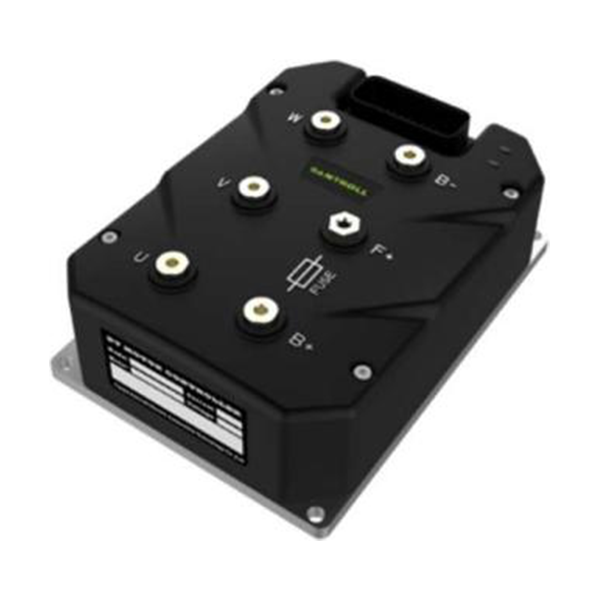
When I dig into installs, the variable speed controller for ac motor keeps showing the same scars. First, classic V/Hz setups can be forgiving but they hide inefficiencies. Second, closed-loop drives promise precision, yet many crews leave encoder feedback loosely configured. Third, power electronics — like MOSFETs and inverters — bring thermal quirks that installers often under-spec. Look, it’s simpler than you think: a mis-set acceleration curve or a wrong torque constant can cascade into trips, extra heat, and unhappy maintenance techs. (— funny how that works, right?)
Why do traditional drives fail?
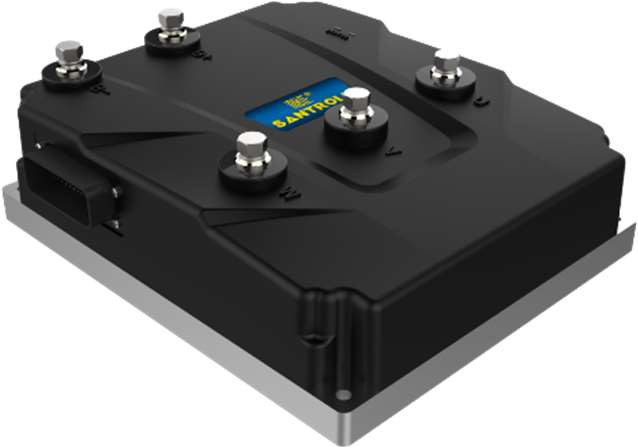
I’ve seen two common threads. One: people assume default PID and PWM tuning will suit every load. It won’t. Two: sensorless control claims convenience, but without proper testing you lose low-speed stability. In practice, those mistakes look like hunting vibrations, torque ripple, or stalls under load. I prefer to start with a short ramp, then add feedback correction — and I write down what worked. That small habit saves hours later. The terms you should be comfortable with here: inverter, encoder, torque control, DSP. These are not buzzwords; they’re the knobs you tweak.
Part 3 — Future Outlook and Practical Choices
What’s Next?
Technically speaking, the next wave is smarter control layers and better telemetry. Modern solutions push computation to the edge — edge computing nodes in drives let us log events and adapt in real time. The ac electric motor controller designs I follow now include adaptive tuning and clearer fault diagnostics, which shortens troubleshooting. I expect predictive limits to move from lab demos into everyday panels. — unexpected, but welcome.
For teams choosing gear today, I recommend three simple evaluation metrics: 1) diagnostics clarity — can the drive tell you what failed and why? 2) tuning granularity — does it let you tune acceleration, torque limits, and feedback loops independently? 3) thermal and surge headroom — are the power converters and MOSFETs rated beyond your worst-case start? Use these to compare options in real situations. I say this from hands-on fixes and lessons learned in the field. In short: pick controllers that help you prevent mistakes, not just react to them. For practical sourcing and support, consider checking Santroll.