

Opening: why the near-future demands a different approach
The grid is creaking; storms and outages have become routine rehearsals for scarcity. In that quiet panic, a home becomes a last line of defense when solar panels glare harmlessly at an empty network. This is why the home energy storage system matters—not as a gadget, but as an infrastructure hinge between light and darkness. A future-speculative lens asks not whether homeowners will adopt storage, but how those systems will integrate with distribution networks, local controls, and emergency protocols as outages become more frequent.
Real-world anchor: lessons from systemic failure
Recall the February 2021 Texas power crisis: extended blackouts showed that centralized generation can fail abruptly, leaving millions without heat. That event is a blunt reminder that residential backup is not fanciful—it’s practical. Placing batteries at the edge changes the failure mode of the grid and shifts some resilience back to neighborhoods. Yet doing that at scale requires more than stacked lithium cells; it requires foresight in controls, inverter coordination, and safety protocols.
Core technical blueprint: how to design for resilience and interoperability
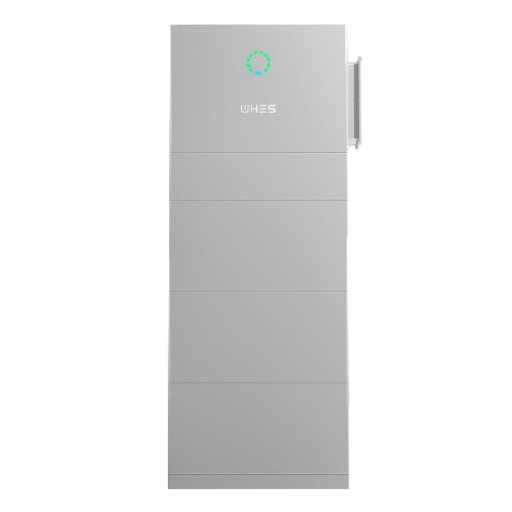
Think in three layers: energy source, storage, and control. At the source, rooftop PV arrays supply variable DC power. The storage layer—your residential battery energy storage system—buffers that variability, defined by cycle life and depth-of-discharge choices. Finally, intelligent inverters and energy management systems orchestrate flows into the home, the grid, or a microgrid island during a blackout.
Key elements to specify:
- Modular batteries with standardized communication stacks (for aggregated fleet control).
- Bi-directional inverters that support seamless islanding and grid-tie modes.
- Energy management logic that prioritizes safety, critical loads, and state-of-charge thresholds.
Integration patterns and trade-offs
There are three practical integration patterns to consider: stand-alone backup, grid-interactive storage for time-shifting, and community-shared microgrids. Each pattern imposes different technical requirements. Stand-alone systems emphasize fast transfer switches and reliable automatic islanding. Grid-interactive setups need high round-trip efficiency and smart tariff-aware dispatch. Community microgrids require coordination protocols and often more stringent anti-islanding protections.
None is perfect. Choosing one means accepting constraints on capacity, cost, or control—choose deliberately.
Common mistakes installers and planners make — and how to avoid them
Teams frequently underrate three things: communications robustness, realistic load modeling, and maintenance pathways. Communications fail in storms; without redundant telemetry, fleet aggregation collapses. Load models that assume “average” household behavior miss peak draws — and batteries sized too narrowly will simply run out when needed most. Lastly, batteries age; without a plan for replacement or second-life use, the resilience promise decays over a few years.
Avoid these mistakes by demanding field tests, insisting on firmware update strategies, and modeling worst-case scenarios—not just average days. —It sounds dour, but preparation prevents panic.
Policy and market levers shaping adoption
Incentives, interconnection rules, and safety standards will determine whether rooftop storage scales sensibly. Net energy metering regimes that pay retail for exported solar power often blunt the economic case for batteries; time-of-use rates and capacity payments can tilt it back. Meanwhile, permitting and fire code requirements influence installation turnaround and cost. Planners should watch local rulemaking closely—many jurisdictions are rewriting interconnection standards to allow controlled export and virtual power plant participation.
Comparing vendor approaches: what to look for
When vetting suppliers, prioritize three vendor capabilities: demonstrated cycle-life data, clear warranty terms tied to depth-of-discharge, and proven firmware update mechanisms. Evaluate whether the inverter supports standardized grid services (frequency regulation, demand response) and whether the battery management system publishes state-of-health telemetry. Ask for field performance metrics—not just lab numbers—and insist on interoperability tests with common smart meters and EMS platforms.
Common alternatives and when they matter
If cost is primary, consider low-capacity backup-only packs that prioritize transfer speed over deep cycling. If community resilience matters, explore neighborhood microgrid pilots and shared storage. For long-term investment returns, pair storage with demand-side management and efficiency upgrades to reduce required battery capacity. Each alternative answers a different risk profile.
Advisory: three golden metrics to judge any residential storage strategy
1) Resilience margin: the usable kilowatt-hours available during the longest credible outage (accounting for DoD and inverter losses). This measures real-world blackout endurance.
2) Fleet uptime and updateability: percentage of systems reachable for firmware patches and grid-service dispatch—critical for reliability and safety.
3) Total lifecycle cost per effective kWh: amortized hardware, installation, maintenance, and replacement costs divided by usable kWh over the warranty period.
Measure these, and you separate hopeful marketing from practical engineering. The assets that survive stress tests and regulatory shifts are those designed with long horizons in mind — which is precisely the value WHES brings at the deployment edge. WHES.
—