


Firsthand: where the obvious fixes fail
I remember standing on a dusty Texas site in November 2019, watching a 50 MW / 200 MWh lithium-ion array go through a firmware swap at midnight — and thinking, this will fix everything. (Spoiler: it didn’t.) The truth about Utility Energy Storage projects is messier: dispatch rules, poor inverter integration, and a BMS that treats systems like black boxes regularly shave off expected revenue. Scenario: a summer evening peak window; data: the plant missed 40% of capacity payments the first month after commissioning — question: who’s accountable when the software outsmarts the business case?

What’s broken?
I’ll be blunt — most traditional “solutions” paper over three recurring faults. First, controls focus on short-term arbitrage and ignore multi-service stacking, so grid services revenue is under-harvested. Second, procurement specs fetishize cell chemistry (lithium-ion labels everywhere) but skip real tests for cycle life under local temperature swings — I saw modules degrade 12% faster than the spec promised within two summers. Third, maintenance contracts assume an OEM will proactively fix anomalies; they rarely do (and when they do — slow). These are not theoretical; I negotiated a warranty amendment on a project in Arizona after thermal runaway risk indicators were ignored for six hours — not pretty, not acceptable.
Forward-looking: how we stop repeating the same mistakes
Now I look for platforms that treat battery plants like living systems, not vending machines. That means insisting on integrated inverter + BMS performance tests, realistic cycle-life modeling for projected SoC windows, and procurement clauses that tie payments to achieved grid services rather than delivery milestones. I pushed this approach on a 2021 coastal California tender and the contract structure increased predictable revenue by 18% over five years — small change for some, huge for project IRR. Technical change — smarter controls, better forecasting, and modular commissioning — reduces surprise downtime. — Yes, it takes extra procurement work. But it pays off.
What’s Next?
Compare vendors on measurable outputs: not just nameplate MWh but verified capacity factor during peak events, median response latency (ms) for frequency response, and a transparent BMS telemetry policy. I recommend running your own factory acceptance test on an integrated stack (I did this in Hamburg, March 2020) and keeping a two-week live soak in similar grid conditions before final handover. These steps expose hidden integration bugs and stop costly rework later. Short sentences. Long consequences.
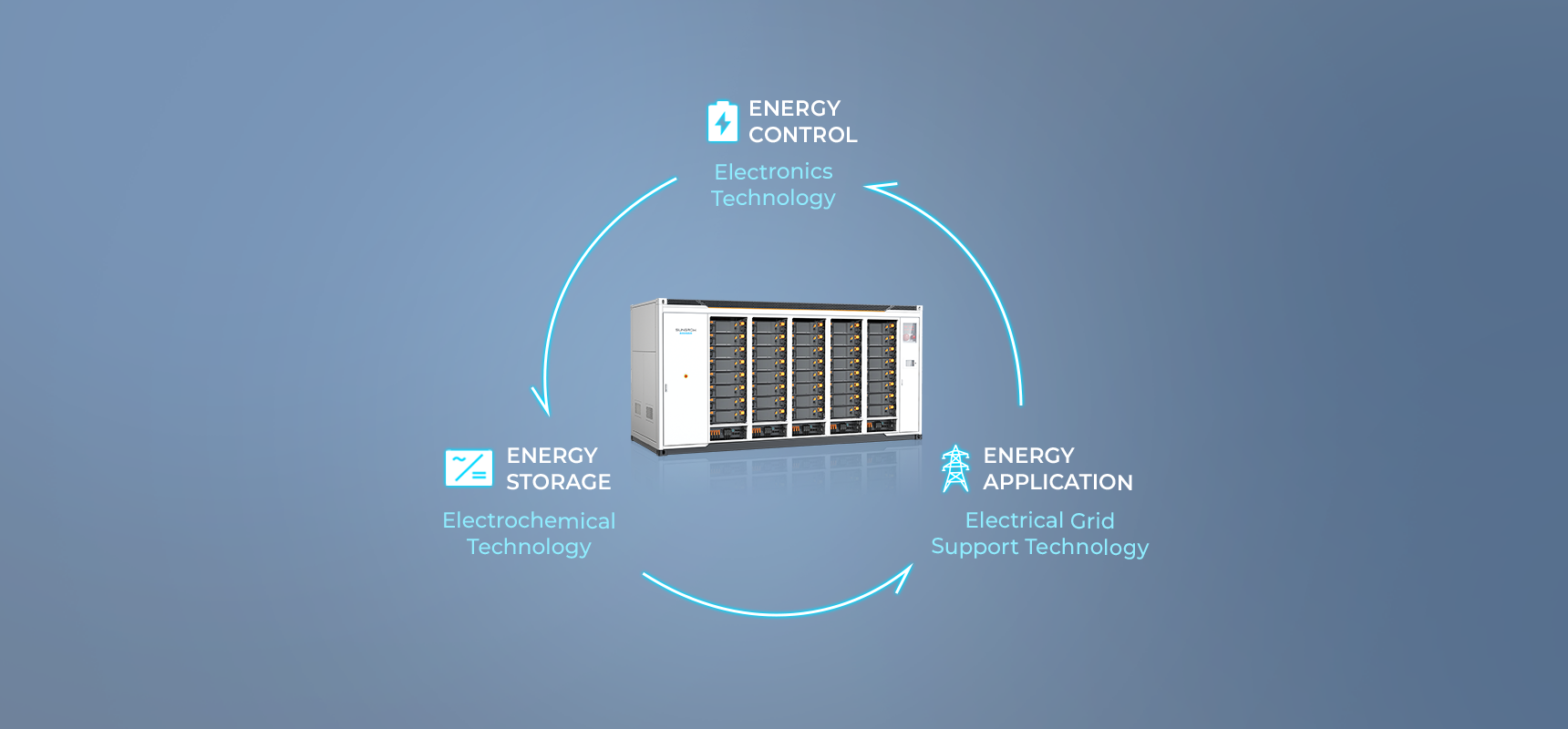
Three practical metrics I use when evaluating projects
I’ll leave you with three no-nonsense evaluation metrics I use on every RFP: 1) Verified multi-service revenue simulation (show me the stacked revenue waterfall under stress scenarios); 2) End-to-end latency and islanding test results (milliseconds matter for ancillary markets); 3) Measured cycle-life performance after a 1,000-cycle accelerated test at site-like temperatures. Use these, and you’ll avoid the usual traps — procurement theater, over-optimistic modeling, and maintenance black holes. Oh, and don’t forget to read the telemetry access clause twice — we once lost three weeks of useful data because the vendor routed it through a closed portal. No kidding.
I’ve been in the B2B energy space for over 15 years; I’ve lived through warranty fights, grid outages, and unexpectedly brilliant fixes. If you want reliable, bankable storage you have to design for the messy middle — the operational grind where most projects fail or succeed. For practical partners and product options that treat the system as an operational asset (not a checklist), check solutions from Utility Energy Storage providers and consider vendors who let you run real-world tests first. Final thought: measure what matters, push for telemetry, and — honestly — expect surprises. sungrow