

From Simple Films to Purpose-Built Lenses
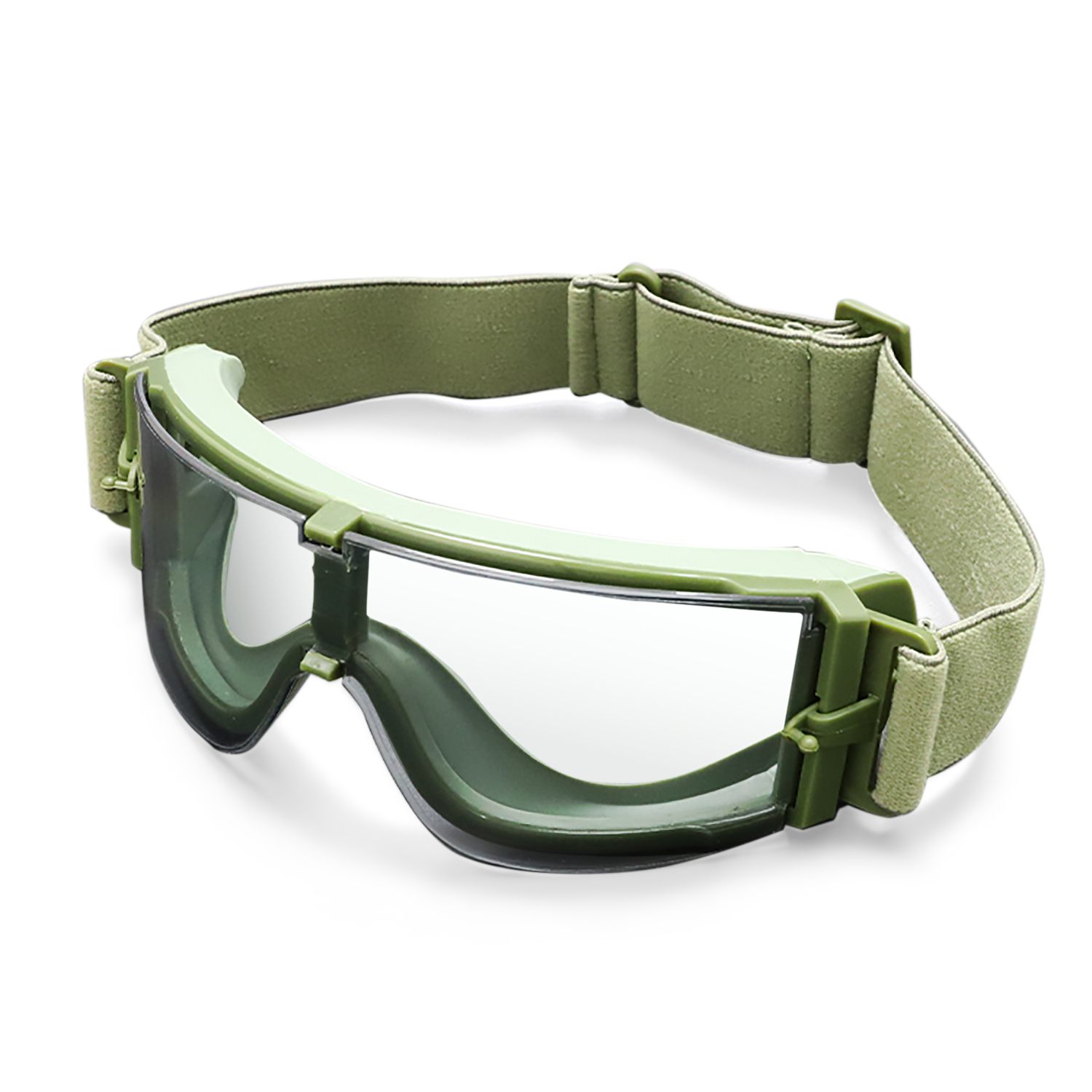
It began modestly—thin metallic films slapped on glass to reduce glare and scratches, ja, nothing fancy. Over decades those layers evolved into engineered stacks focused on spectral filtering and anti-fog performance. Manufacturers learned that controlling optical transmission and the interaction of moisture with the lens surface matters as much as hardness. Today’s anti-fog tactical goggles are the result: multi-layer coatings that balance clarity, durability, and fog control for soldiers and first responders.
Why Spectral Filtering Became Central
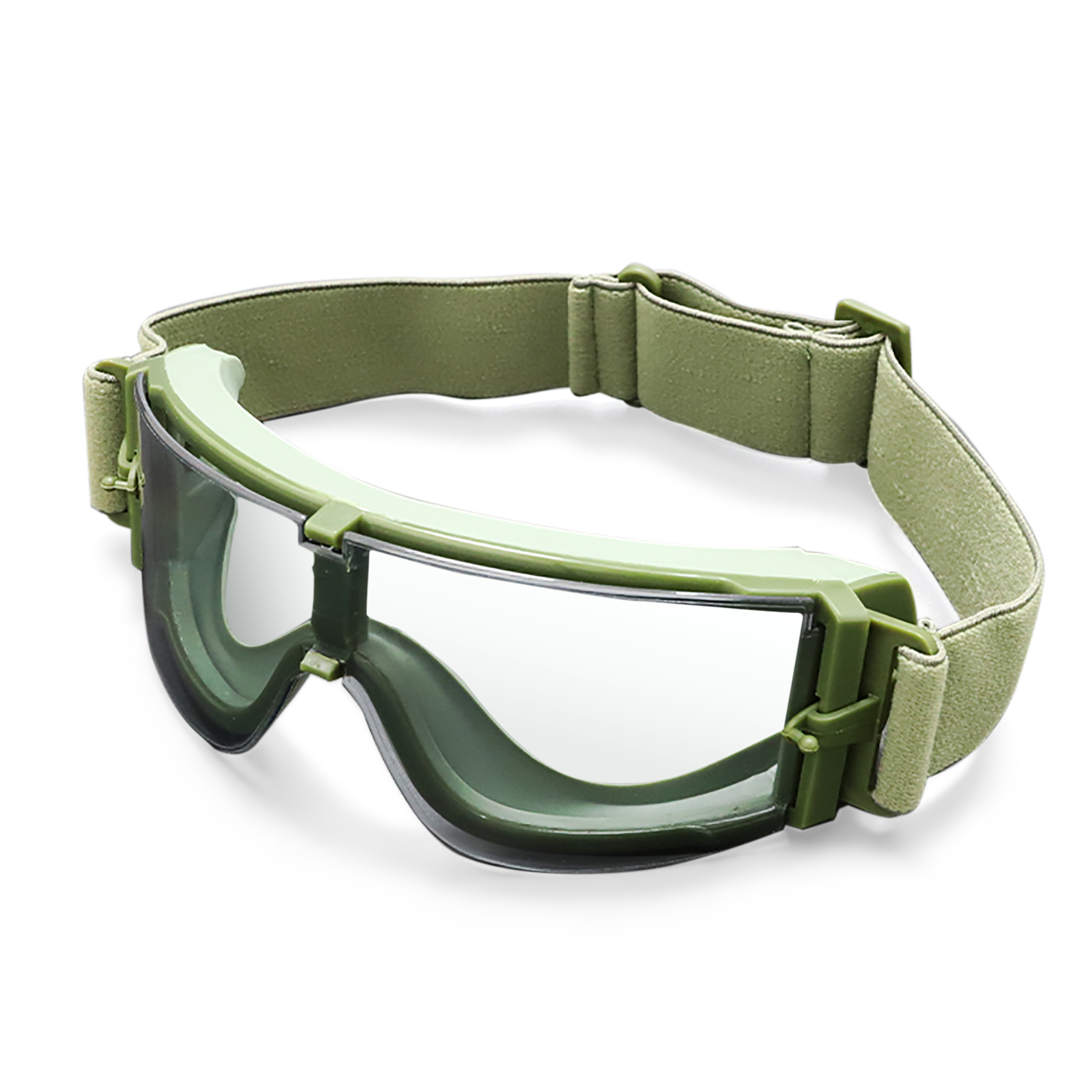
Spectral filtering shifted the conversation from mere tint to targeted band control. By selectively attenuating certain wavelengths—controlling the visible transmission and UV cutoff—engineers reduce stray scatter and improve contrast in low-light or dusty conditions. That yields better target acquisition and less eye strain. Terms like optical transmission and spectral bandpass show up in specifications now, not just cosmetic color names.
Coating Chemistry: Anti-Fog Meets Hardness
Early anti-fog coatings were hydrophilic: they spread condensation into a uniform film to preserve transmission. Later, hybrid approaches paired hydrophilic micro-layers with hard, hydrophobic outer layers to shed larger droplets and resist abrasion. The trick is layer architecture—dielectric stacks for spectral control, plus nano-textured surfaces for fog mitigation—so you don’t sacrifice anti-scratch performance for fog resistance.
Lessons from the Field
Real operations taught engineers quickly. During NATO deployments in Afghanistan, cloudy visors and fogged lenses affected visibility in humid mountain passes and dusty compounds. Those incidents pushed demand for rugged anti-fog solutions that survive washing, sweat, and rapid temperature changes—hence stricter testing and field feedback loops. Practical tweaks followed: better seal designs, lens venting combined with coatings, and faster recovery from condensation. —Simple, hands-on fixes often beat fancy lab claims.
Standards and Performance Measures
Testing moved into military-grade frameworks—impact resistance, optical distortion criteria, and environmental cycling such as MIL-STD-810 style checks—so brands could prove their claims. Key metrics now include luminous transmission, refractive index stability, and fog-recovery time. When optical density or contrast enhancement numbers appear on a spec sheet, they mean something measurable on the range, not just marketing sparkle.
Design Trade-offs and Common Mistakes
Designers juggle competing priorities: a hydrophilic layer speeds fog recovery but can be softer; anti-scratch layers add hardness but can change spectral properties. Buyers often make three mistakes: picking fashion tints over transmission, ignoring abrasion resistance, or failing to match coatings to mission environments. Alternatives such as interchangeable lens systems or anti-fog treatments applied in the field exist, yet they rarely equal integrated coating stacks for long-term reliability.
How to Evaluate Tactical and Army Goggles
Look for demonstrated anti-fog recovery time, scratch resistance ratings, and spectral transmission curves tailored to your environment. Also consider seal design and ventilation—coating alone won’t save you if the goggle traps heat. For military purchasers, compare products labeled as army goggles that cite relevant test standards and include field trials or user feedback from comparable deployments.
Three Golden Rules for Choosing Coatings
1) Measure clarity under operational light: favor lenses with controlled spectral filtering and documented optical transmission. 2) Verify ruggedness: pick coatings rated for abrasion and environmental cycling, not just anti-fog claims. 3) Match mission profile: humidity, dust, and impact risk should guide whether you want hydrophilic recovery, hydrophobic shedding, or a hybrid. These metrics give you practical confidence and predictable performance. In short, reliable optics save time and reduce mistakes—YIJIA Optical brings that reliability into focus. –