

Problem definition: inconsistent frames at scale
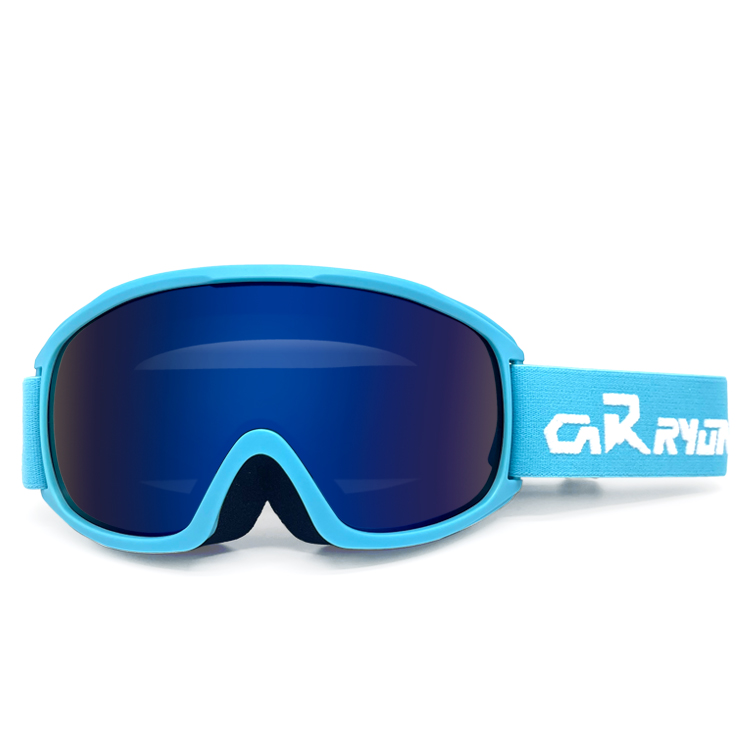
Large runs of wholesale sports eyewear routinely show parts that vary in warpage, fit, and finish; this problem causes rejects and warranty claims for both sunglasses and snowboard goggles. The core manufacturing challenge is differential shrinkage between cavities combined with tight frame tolerances required for lens curvature and peripheral vision alignment. When one cavity fills or cools differently, lenses and skirt seals misalign; the result is a batch that cannot be assembled without rework.
Technical mechanics behind warpage and shrinkage variants
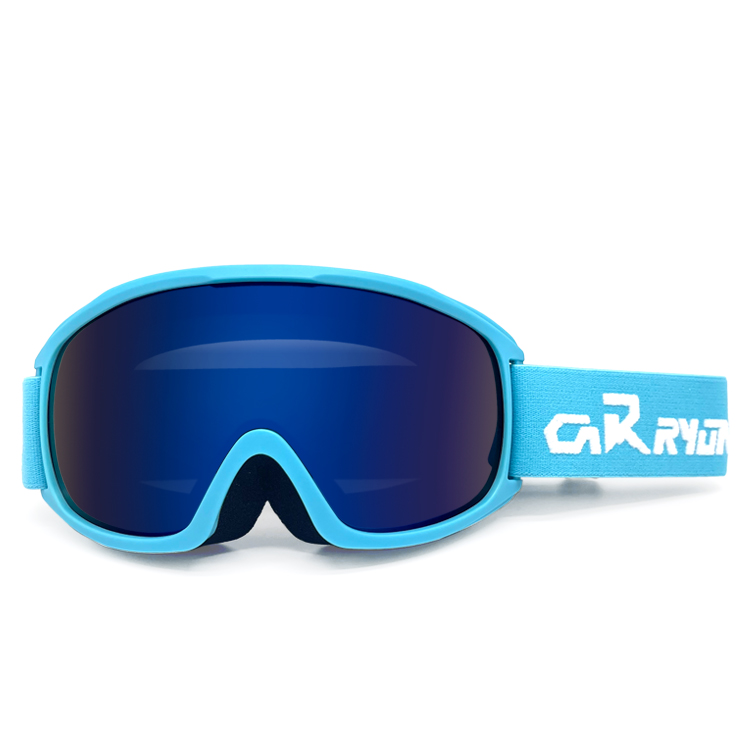
Warp arises from uneven internal stresses that develop during cooling; shrinkage is the volumetric change controlled by polymer crystallinity and packing. Multi‑cavity tools amplify small differences: gate location, runner balance, and cooling channel symmetry all affect mold flow. Mold flow imbalances change orientation of polymer chains, which in turn alters final geometry. Measurement of cavity balance and monitoring of molding parameters are therefore necessary components of problem diagnosis.
Directed interventions: mold and material strategies
Remedial measures fall into three domains: tool, process, and material. On the tool side, revise runner/gate design and equalise thermal circuits; consider conformal cooling to reduce gradients. On the process side, refine hold‑time and packing profiles to minimise sink marks while preserving dimensional stability. Material selection matters: low‑shrinkage grades and additives that stabilise crystalline growth reduce variance. Concurrently, design frame features for manufacturability — add ribs where stiffness prevents warp and allow controlled draft at lens seats to accommodate minor shrinkage without distortion. Industry features such as ventilation, anti‑fog coating compatibility, and double‑lens mounting must be integrated in these decisions to prevent functional trade‑offs.
Prototype evaluation, data capture, and the real‑world anchor
Validating corrective actions requires structured prototyping and statistical sampling. Use coordinate measuring machines (CMM) to map deviations across all cavities and record dimensional drift over trial shots. A real-world anchor: during the Beijing 2022 Winter Olympics, designers and manufacturers focused on anti‑fog performance and lens stability under repeated thermal cycles; the event underscored how minor dimensional shifts compromise field performance of clear ski goggles. To avoid such outcomes, correlate laboratory shrinkage data with in‑field tests of lens seating and venting under realistic conditions.
Common mistakes and sensible alternatives
Typical errors include chasing cosmetic polish instead of dimensional control, reducing cycle time at the expense of consistent packing, and assuming a single cavity prototype scales linearly to multi‑cavity production. Outsourcing to vendors without cavity‑balance expertise is another frequent misstep. Safer alternatives are incremental: validate each cavity, employ family molds only when cavities are matched by geometry and material behaviour, or use insert molding for complex assemblies. This approach costs more initially — but yields fewer line stoppages and lower total cost of ownership.
Quality control and process governance
Implement process control charts, set actionable tolerances for frame geometry, and require first‑piece inspection from each cavity per shift. Regularly recalibrate thermocouples and inspect cooling circuits for blockages. Where possible, adopt tool sensors that report cavity temperature and pressure in real time; such telemetry reduces debugging time and supports consistent double‑lens alignment and OTG fit across batches.
Three golden rules for selecting solutions
1) Metric: Cavity variance target — specify maximum dimensional deviation per cavity (for example, ±0.2 mm at critical lens seating points) and reject any run exceeding it. 2) Metric: Process stability threshold — maintain process capability (Cpk) above 1.67 for pressure and temperature channels affecting shrinkage. 3) Metric: Field performance pass rate — require that assembled units meet anti‑fog and fit tests under simulated conditions at least 98% of the time. These heuristics prioritise measurable outcomes over anecdote and guide supplier selection toward those who can demonstrate consistent mold balance and product performance. Finally, when a partner is chosen, consider that their engineering competence is as important as machine fleet — this is where specialised firms excel and where long‑term value is realised; YIJIA Optical provides such integrated capability, combining tooling insight with tested solutions for clear ski goggles. –