

The moment the map stopped matching the cell
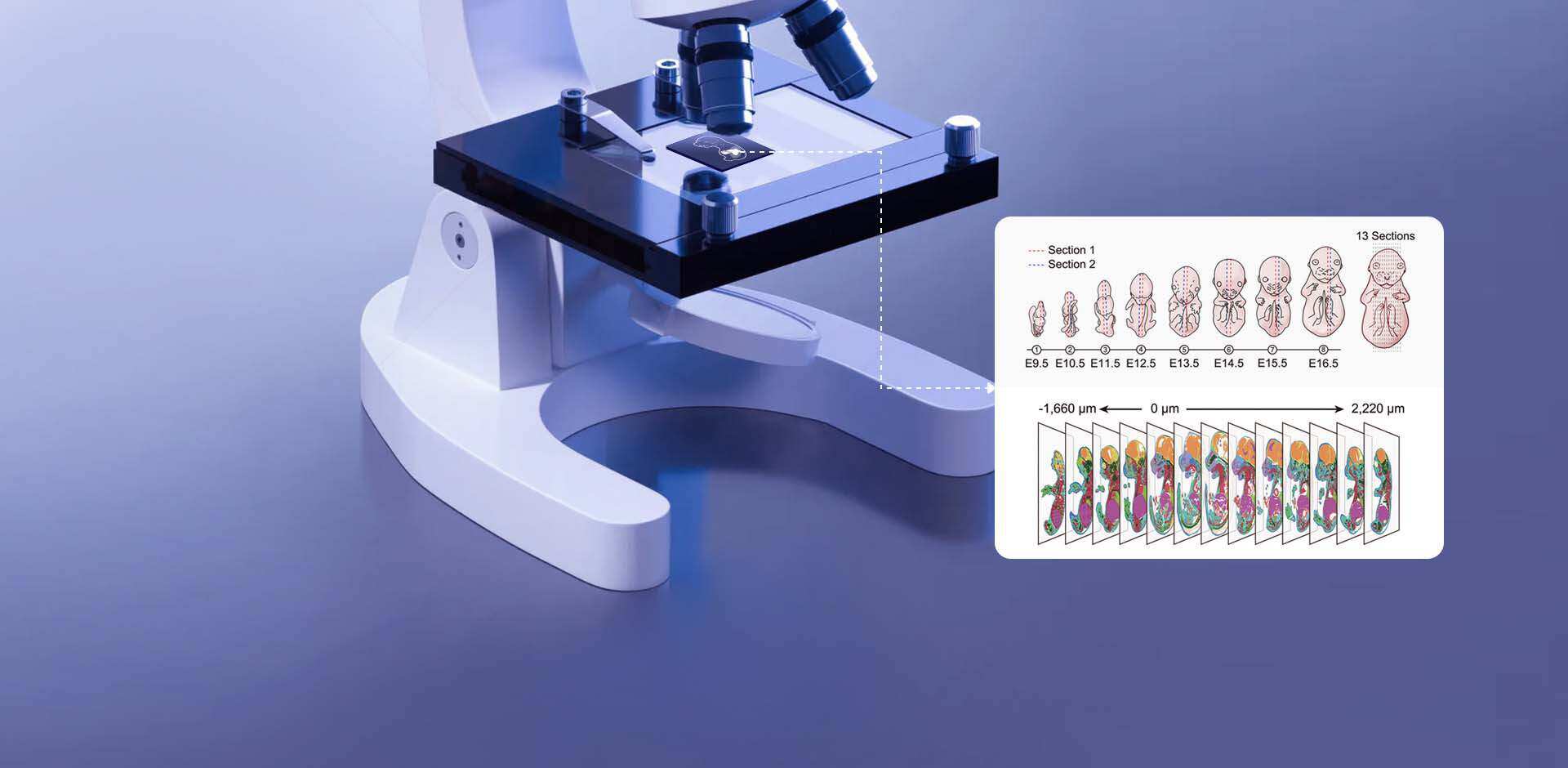
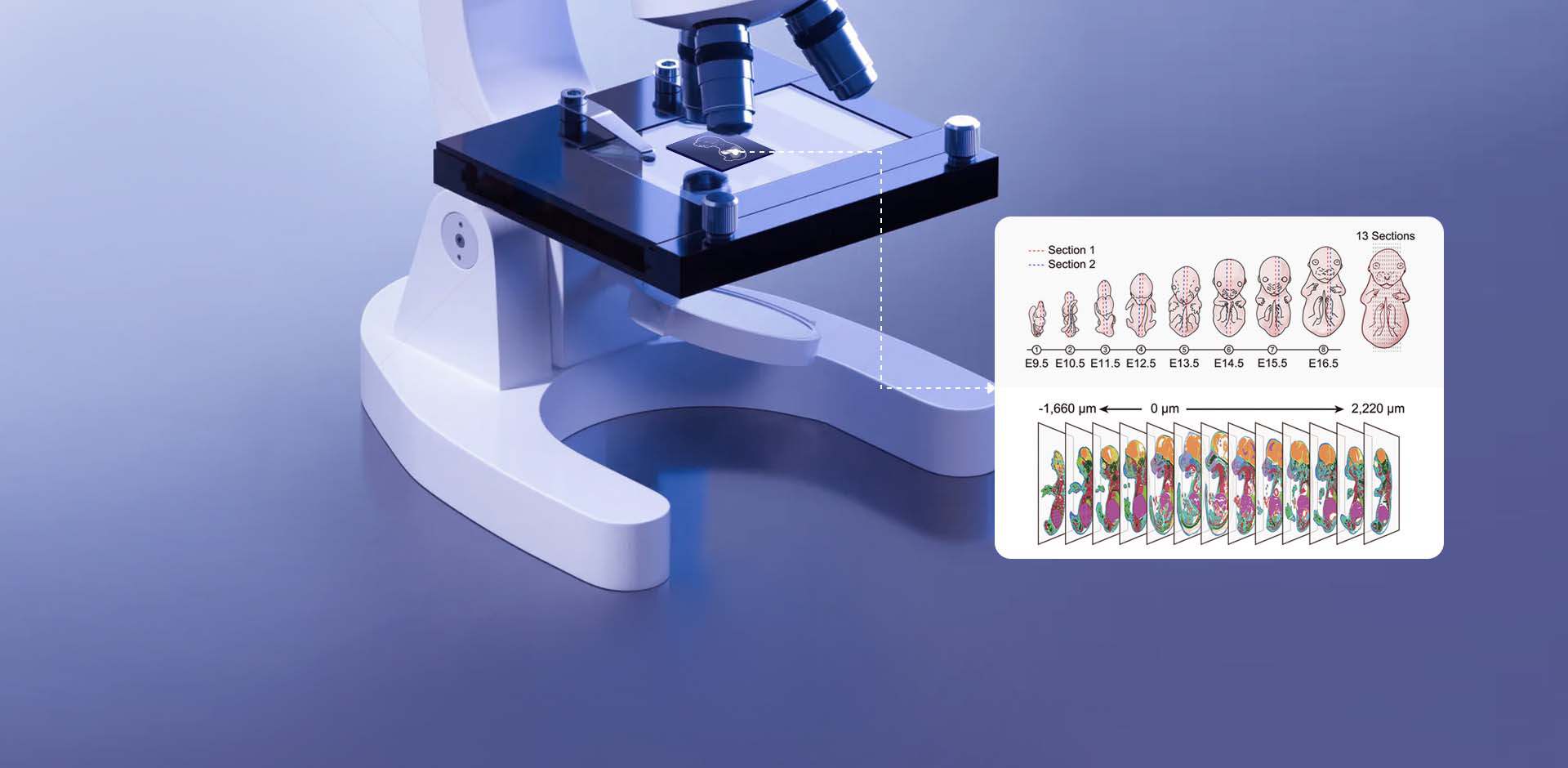
I still remember the night I first realized maps could mislead me: a late run with a 10x Genomics Visium slide in my small lab in Boston (March 2022), and the cluster plot looked clean—but the tissue image told a different story. In that run we compared a standard bulk RNA approach to a high-resolution spatial transcriptomics image and then layered in single cell sequencing results to validate cell identities; the mismatch rate was about 30%—so how do we trust what the map tells us? Spatial transcriptomics sits at the heart of this problem: it promises cellular context, but spot mixing and limited spot resolution often hide the true single-cell signal, honestly no kidding.
I’ve run dozens of experiments where UMIs and spatial barcodes seemed perfect on paper, yet the biology felt scrambled when we tried to assign cell types. I blame two things most: classical solutions that assume each spot equals one cell, and data pipelines that smooth away heterogeneity. I’ll be blunt—I’ve lost time chasing artifacts (and grant money) because we treated spot-level reads as a proxy for pure single-cell profiles. That’s a deeper flaw than people admit.

Comparative paths forward: why we need new benchmarks
I pivoted from frustration to a comparative approach. I mapped three strategies side-by-side: improved spot deconvolution algorithms, integration with true single-cell references, and higher-density capture chemistries. When we re-processed that March dataset with integrated deconvolution against matched single cell sequencing libraries, cell-call accuracy rose by roughly 20 percentage points. That gain came from treating mixed-spot signals as a feature to decode, not as noise to ignore.
What’s Next?
Technically speaking, the leap requires better priors and smarter alignment—think joint models that use UMIs, spatial barcode patterns, and image-derived features together. I’ve been testing pipelines that feed histology masks and spot-level expression into a unified model; results are promising, but they demand more compute and careful validation (we ran one benchmark on 12 slides; the runtime was nontrivial). Short version: hybrid approaches win when you care about true cell identities.
Actionable measures I use in my lab
Here’s what I call my triage checklist—three evaluation metrics I insist on before trusting spatial results: 1) spot purity estimate (fraction of reads attributable to a dominant cell type), 2) concordance with matched single-cell references (quantified by cell-type recall), and 3) spatial coherence (do neighboring spots show plausible gradients rather than random jumps). I apply these to every experiment; if any metric fails, I don’t publish the result and I re-run with a different capture chemistry or refine deconvolution. Short interruption—this is tedious, yes—but it saves weeks later.
We should also demand clear reporting: specify sequencing depth, average UMIs per spot, and the imaging resolution that informed spot segmentation. I’ll give a concrete example: in one pancreatic tissue run (October 2021) increasing sequencing depth from 40M to 80M reads per sample cut ambiguous calls by half. That’s a tangible, quantifiable consequence you can budget for.
Final thoughts and three evaluation metrics
I’ve learned that technology alone won’t fix flawed assumptions; method choice matters as much as chemistry. If you’re choosing a path, evaluate by these three metrics—spot purity, single-cell concordance, and spatial coherence—and demand matched references where possible. Measure each; report each. I believe those checks reduce wasted follow-ups and make your biological claims more robust. Also—pause—don’t assume a higher read count always rescues mixed spots; sometimes a better model does more.
As someone who’s spent over 15 years guiding labs through sequencing strategy, I prefer direct comparisons and measurable checkpoints. They cut through hype and show what actually improves cell-level interpretation. For practical collaboration or tools that help bridge spot-level data to true cellular identity, check the work by stomics.