

Comparative Premise and Scope
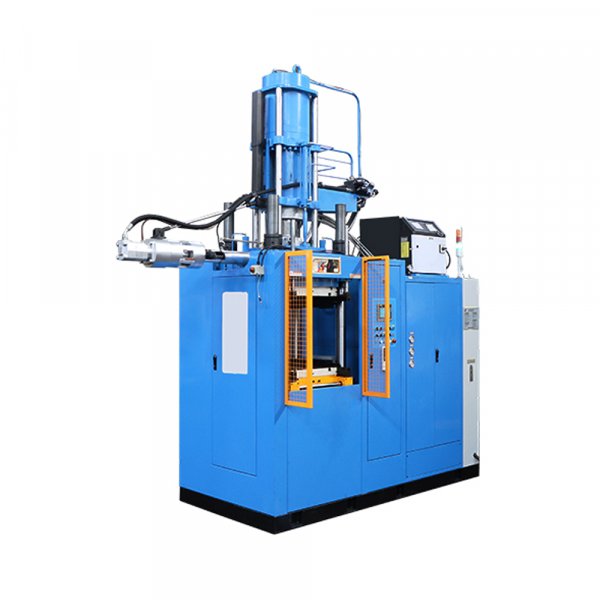
The present analysis compares competing control methodologies addressing platen parallelism variance and its downstream effect on gauge uniformity within horizontal rubber injection moulding installations. The discourse is framed in comparative terms—mechanical tolerance versus active control—so as to produce operationally actionable distinctions. For practitioners tasked with certifying production lines in Stuttgart and similar automotive hubs, attention to platen parallelism, mold cavity engagement and clamping force regimes is dispositive; manufacturers considering a rubber injection molding machine will find the comparative evidence herein germane.
Mechanisms by Which Misalignment Produces Non‑Uniform Gauges
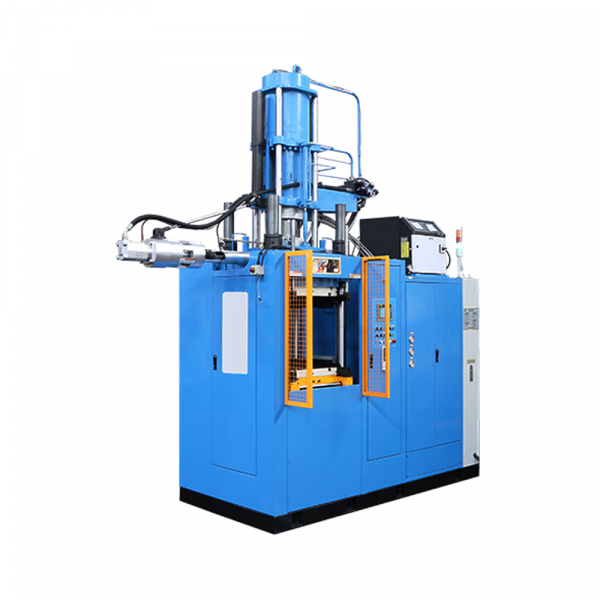
Platen misalignment alters contact geometry at the mold interface, thereby inducing differential compression across the mold cavity and producing dimensional variance at part ejection. From a technical vantage, uneven platen parallelism modifies shot distribution in the injection unit and concentrates shear at discrete rubber compound loci. The result is measurable — a cohort of parts exhibiting systematic out‑of‑tolerance sections rather than stochastic scatter. Such mechanistic clarity informs corrective selection between retrofit sensor arrays and full servo‑drive replacements.
Comparative Analysis of Control Strategies
Two principal strategies prevail: (1) passive correction by precision shimming and mechanical refurbishment; and (2) active correction by closed‑loop platen control (servo positioning plus real‑time displacement feedback). Passive correction contains capital outlay but remains susceptible to thermal drift and cumulative wear. Active control yields tighter platen parallelism and thus improved gauge uniformity, albeit with greater systems complexity. Integrating force transducers and position encoders reduces scrap rates and enhances repeatability for rubber molding presses — a material benefit where tolerance windows are narrow and cycle rates high.
Operational Consequences and Regulatory Considerations
Operationally, non‑uniform gauges translate to increased rework, warranty exposure and contractual non‑conformance. From a compliance perspective, documentation of platen alignment checks and calibration intervals becomes an evidentiary necessity during supplier audits. Where specifications require consistent shore hardness across bonded components, inconsistent compression from platen misalignment may render entire batches non‑compliant with client directives. Remedial investments therefore must be evaluated not solely on capital basis but on risk‑reduction metrics and continuity of supply to OEMs.
Common Implementation Errors and Mitigations
Practitioners frequently commit predictable errors: failure to instrument alignment at operating temperature; deferred calibration of position sensors; omission of process capability studies after retrofit. These errors manifest as persistent gauge drift despite apparent mechanical correction — an operational paradox that confounds less rigorous teams. Mitigation is straightforward: institute thermal‑cycle alignment checks, verify shot size stability post‑intervention, and maintain a documented schedule for sensor verification. — Minor oversight here compounds rapidly when cycle counts exceed design assumptions.
Advisory: Three Critical Evaluation Metrics
Adopt these metrics as the evaluative baseline when selecting corrective strategy or vendor equipment:
– Platen Parallelism Tolerance: specify maximum allowable deviation (e.g., micrometers per meter) and require supplier verification at temperature-stabilised conditions.
– Gauge Capability Index (Cg/Cpk): quantify pre‑ and post‑installation capability for critical dimensions to demonstrate statistically significant improvement.
– Reaction Time and Control Bandwidth: ensure closed‑loop systems respond within the process window to prevent transient misalignment during clamping and injection.
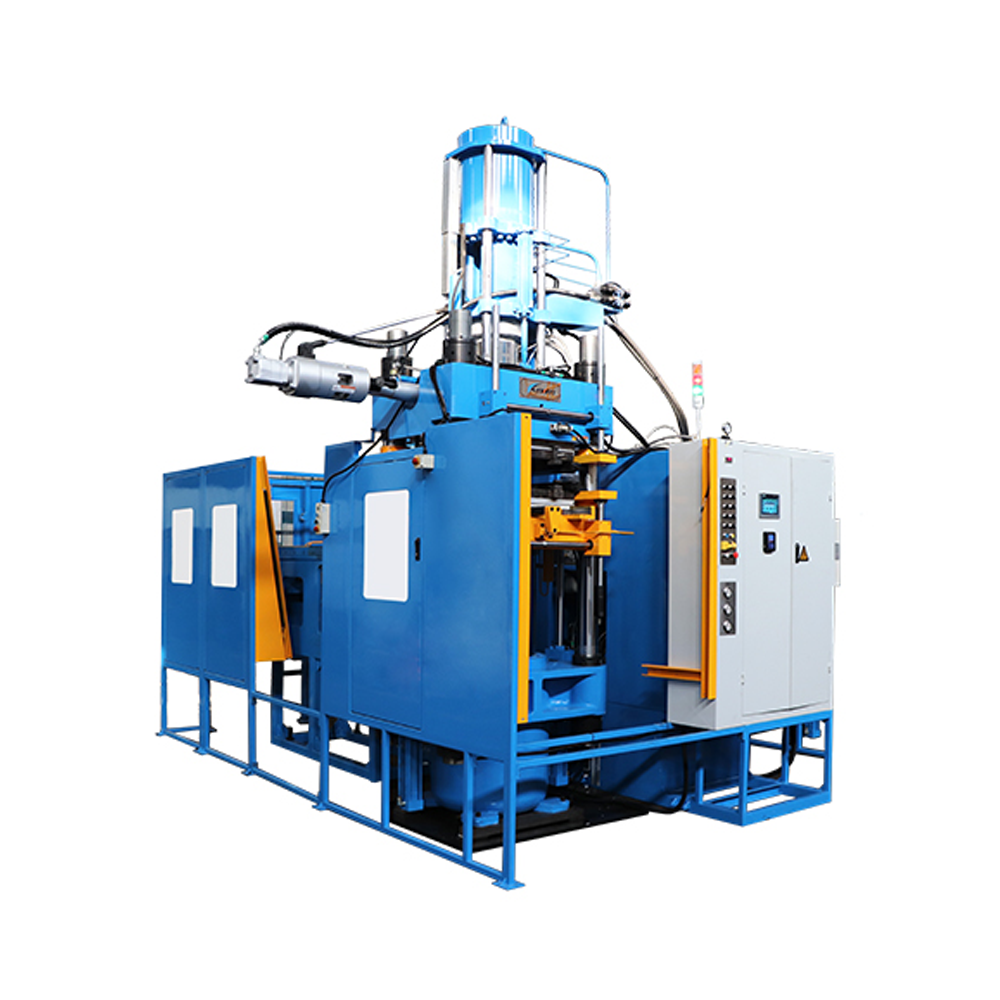
For procurement and implementation, electromechanical systems validated on production lines and by OEM suppliers—such as those supplied by rubber molding presses vendors—align with these metrics. These are the standards I enforce. Practical, proven.