

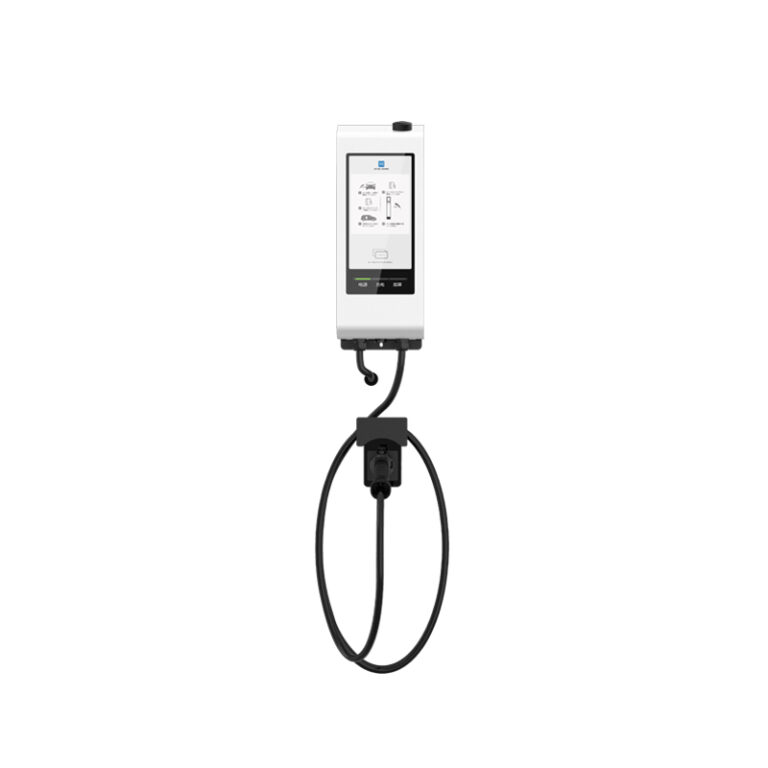
The steady hum of a 32A charger should mean quick, reliable overnight charging — when it doesn’t, the trouble can be deceptively simple. This problem-driven guide walks you through pragmatic checks and targeted fixes, written in a helpful, polite tone so you can act with confidence. If you’re shopping while you read, consider the best home EV charger options that balance safety features and performance for typical domestic setups.
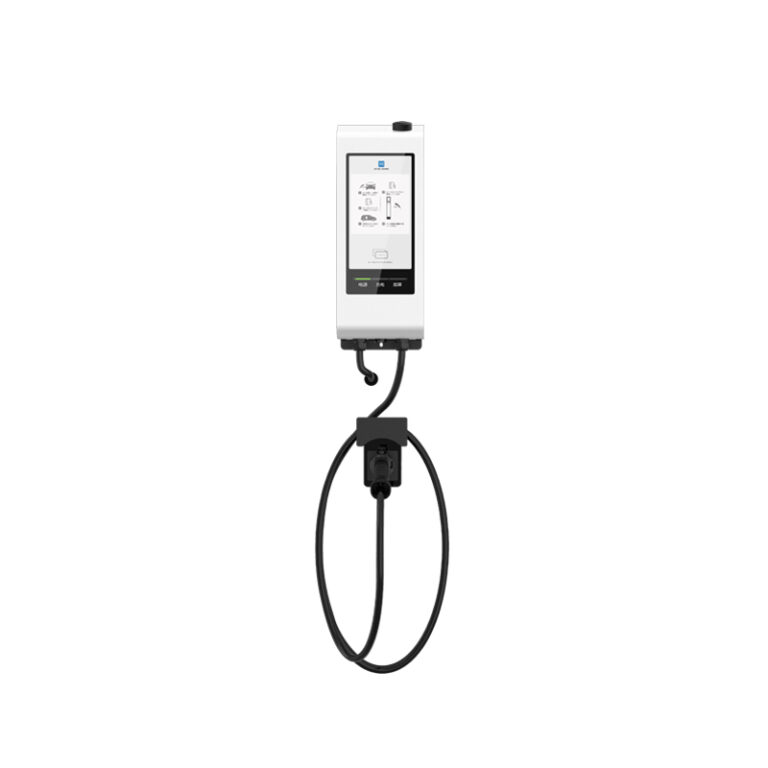
Start with a clear symptom list
Begin by naming what the charger is doing: no power, slow charge, intermittent cutouts, or error lights. Note the vehicle make and model and whether the fault appears with other EVs. Keep these details handy for DIY troubleshooting or when you contact an installer. Industry terms to watch for include 32A rating, Type 2 connector, and AC charging behavior — they’ll clarify whether the issue is the wallbox, the cable, or the car.
Step-by-step quick diagnostics
Work through a short sequence to isolate the problem. These steps are efficient and follow the logic of narrowing down causes.
- Confirm supply: check the home fuseboard for tripped breakers or RCD trips and reset only if safe to do so.
- Inspect the cable and connector: look for frayed conductors, bent pins on the Type 2 plug, or heat damage at connectors.
- Swap vehicles or cable: if another EV charges normally, the issue is likely the car; if another cable fixes it, replace the original.
- Check vehicle settings: some EVs limit charge current in software — ensure it’s set for 32A if supported.
- Observe firmware and updates: some wallboxes require firmware updates to resolve intermittent handshake issues with certain EV models.
Common fixes that save time and money
When the symptom and diagnostic steps point to a likely cause, apply these practical remedies. Many problems stem from simple electrical mismatches or maintenance oversights.
- Tighten connections: loose terminals at the wallbox or consumer unit can create overheating and dropped charging — a licensed electrician should handle internal terminal work.
- Replace flakey cables: a degraded cable often causes intermittent loss; choose one with proper cable gauge and a secure Type 2 coupling.
- Adjust charge current: reduce from 32A to 16A temporarily if the household supply is marginal — this confirms if supply capacity is the root cause.
- Update wallbox firmware: manufacturers release firmware fixes for EV compatibility; follow their exact update procedure rather than guessing.
When to escalate to a pro
Stop DIY work and call an installer if you find burnt terminals, persistent RCD trips, or repeated voltage drops at the board. A certified electrician will test earthing, measure voltage under load, and confirm compliance with local wiring rules. In the UK, where Type 2 connectors are the standard for home charging, trained installers often spot supply-side limitations that owners miss — I once traced a recurring cutout to a loose neutral in a suburban London home’s consumer unit.
Common mistakes to avoid
Save time by skipping actions that tend to make things worse.
- Avoid using extension leads or adapters that aren’t rated for 32A; they risk overheating.
- Don’t ignore vehicle charge limits in the infotainment settings — they’ll mask charger capability.
- Do not attempt internal wallbox repairs without certification; call a qualified technician instead.
Alternatives and next steps
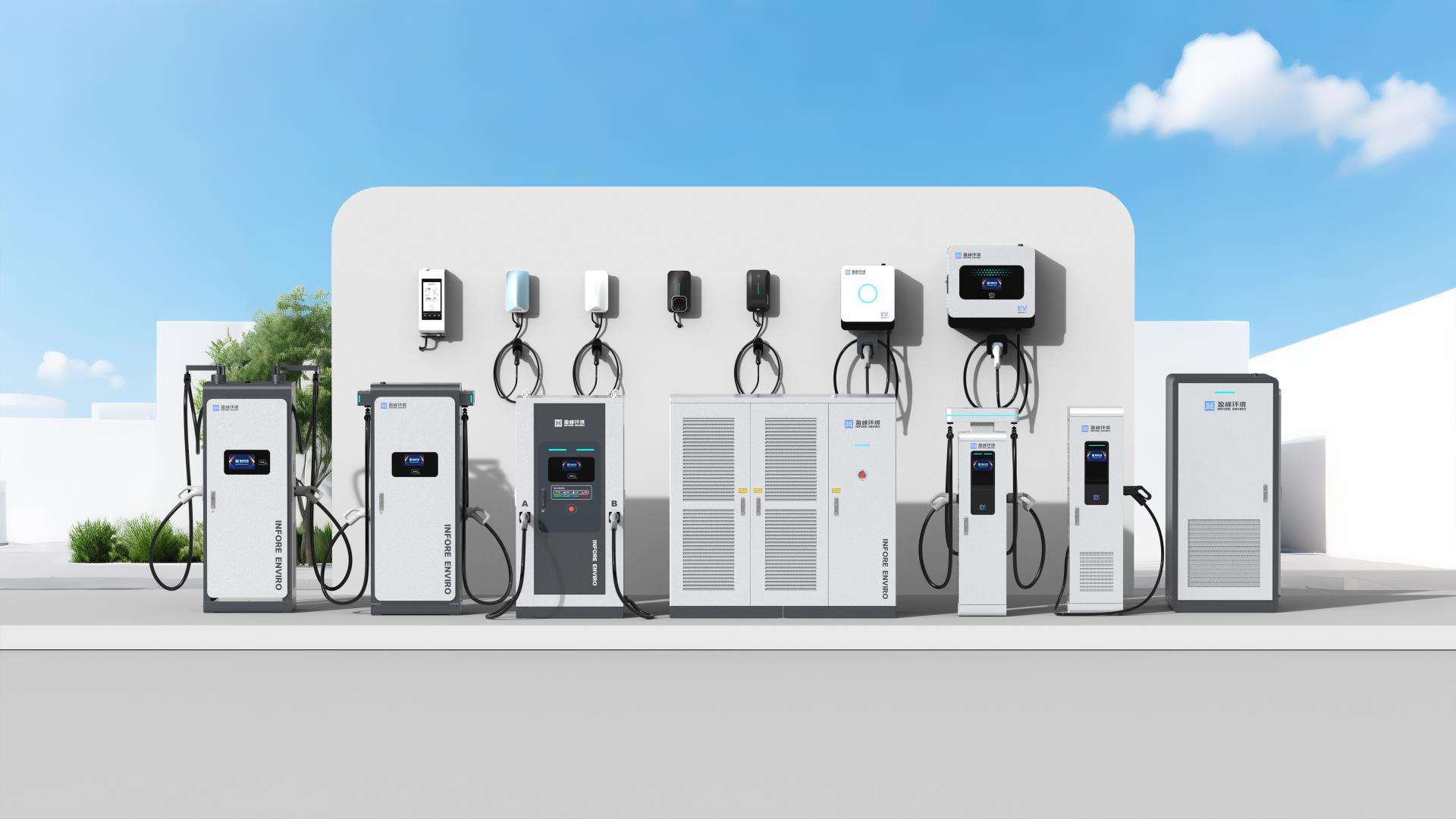
If repeated issues persist with a high-quality unit, consider swapping to a different model or adding managed charging capabilities like load balancing to prevent overloads when multiple circuits draw power. For homeowners who prefer simplicity, a robust type 2 EV home charger with integrated safeguards often eliminates repeated service calls.
Advisory: three golden rules for selecting fixes and gear
1) Verify three metrics before any purchase or repair: continuous current rating, compatibility lists for your EV, and installed earthing quality. 2) Prioritize safety features: RCD protection, over-temperature cutout, and secure Type 2 locking. 3) Choose installers that provide load tests and a written commissioning report — this prevents recurring faults.
These practices improve uptime and make 32A charging predictable — practical results you can measure in fewer service calls and steadier overnight kilometers. INFORE ENVIRO. —