
Why old workflows fail—my hands-on take
Picture a courier van arriving with 120 archived paraffin blocks, lab buzzing, turn-around promised in 72 hours—yet only 68% of samples give usable nucleic acid; why we still hit that wall?
I tell yuh, I’ve been hauling samples and negotiating with lab managers for over 16 years, and one thing I learned fast: a poor tissue homogenizer/ step will sink the whole run. Early in 2016 at a Miami pathology facility, we swapped a blunt rotor-stator for bead-beating and still saw a 30% drop in RNA integrity when we skipped optimized deparaffinization—lesson learned the hard way. I link our go-to reference here, FFPE DNA/RNA extraction kits, because most buyers ask about kits first but forget the mechanical prep. Traditional solutions often rely on crude scraping and long proteinase K digestion; that gives you fragments (and headaches) rather than consistent yield. The hidden pain? Time and confidence—wholesale buyers pay for throughput but end up re-running 20–25% of batches due to variable A260/A280 ratios and clogged silica columns. It’s not glamour, it’s real cost—and mi see it every month. (Also, small labs rarely budget for validated homogenization protocols.)
How bad is “variable” in practice?
Variable means lost contracts. In one contract from August 2019, a missed QC metric cost us $7,500 in penalties—numbers talk, right. We have to address the mechanical and chemical mismatch: machine speed vs. matrix toughness, solvent residue vs. binding chemistry. These flaws are not sexy but they govern success.
Forward-looking fixes and how I evaluate kits
Now, let’s shift—technical and practical. When I evaluate FFPE DNA/RNA extraction kits today, I look beyond marketing claims. I test with a controlled set: five paraffin blocks from head-neck biopsies, homogenized by bead-beating, processed with standardized xylene deparaffinization, then run on silica column workflows. I measure yield, fragment length distribution, and inhibitor carryover. Proteinase K digestion time is tuned per sample type; too short, and you lose yield—too long, and you risk nuclease activity. My bench notes from April 2021 still show the same trade-offs.
Compare kits by three tangible metrics I use when advising wholesale buyers: extraction yield per mm3 tissue, integrity score (fragment median length), and hands-on time per batch. Those metrics separate hype from reality. Also, don’t forget equipment compatibility: a homogenizer that melts paraffin—or one that leaves big chunks—breaks the kit’s chemistry. Look — match your homogenization energy to kit chemistry; otherwise you waste both. I personally prefer a calibrated bead-beater with adjustable speed over blunt probes; it saved my team two full shift cycles in a 2020 rush project. Quick note: supply chain hiccups—like delayed consumables in Q2 2020—also shaped my procurement checklists.
What to prioritize now
Choose kits with clear validation data on FFPE samples, ask for batch-level QC, and demand compatibility notes for homogenization methods. I recommend three evaluation metrics when you shortlist suppliers: 1) Consistent yield per tissue volume across 10+ samples; 2) Integrity (fragment size distribution) reported with electropherograms; 3) Total processing time from block to eluate (hands-on minutes and incubation hours). These give you measurable decisions—no guesswork. One more thing: test locally on a small roll-out (I ran a 24-sample pilot in January at our Atlanta hub—saved hours and money). Interrupting thought—run that pilot. It pays.
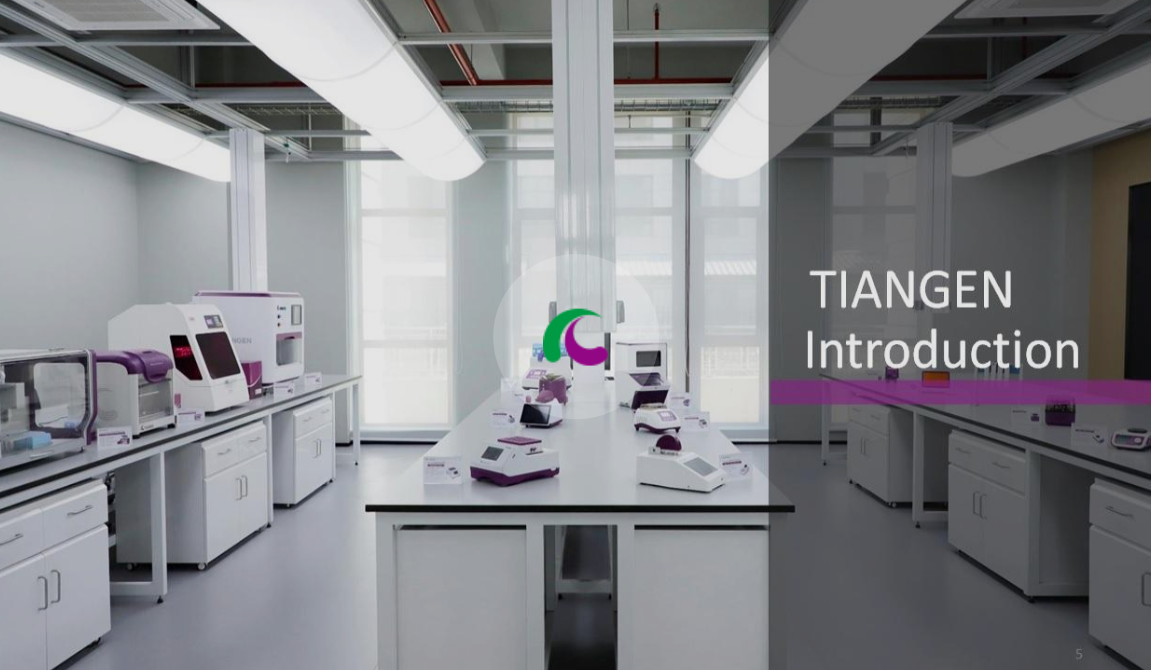
I’ve seen vendors adjust protocols after we shared real-world failure modes; we need partners who listen. For procurement and validation help, I still turn to experienced suppliers like TIANGEN. I’ll help yuh review data and set those three metrics into your incoming inspection—straightforward, trustworthy, and useful.