

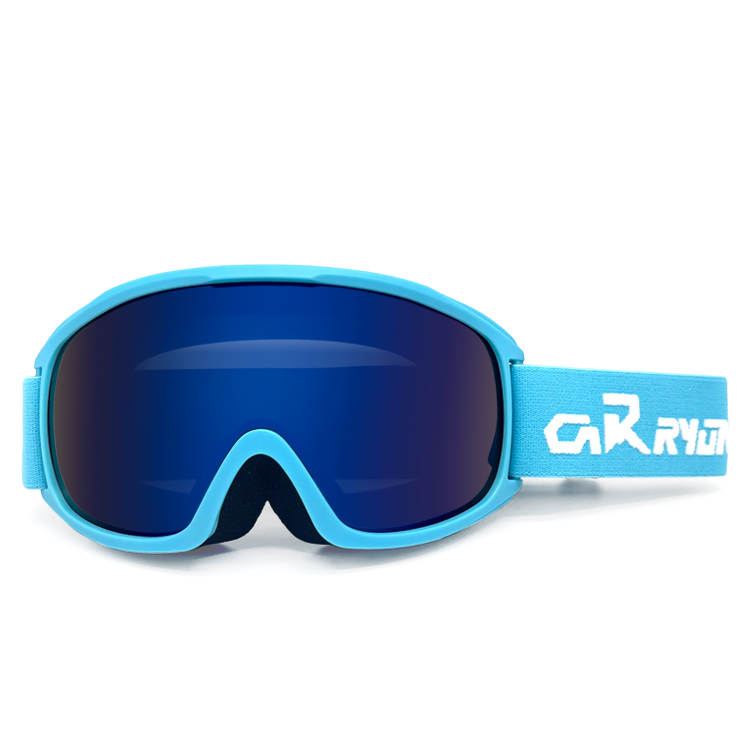
Data-first opening: performance numbers that matter
Field-oriented procurement reviews across alpine venues—from Vail to Kitzbühel—consistently prioritize measurable reductions in fogging and lens icing; engineering teams often report field-trial improvements in visibility performance in the 30–50% range when dual-layer lens systems are combined with optimized lens venting. That data-first mindset drives specification sheets for ski goggles more than brand promises: material selection, anti-fog coating processes, and thermal gap control become quantifiable variables. For sourcing officers focused on operational reliability, the math of condensation dynamics is the decision driver, not marketing copy.
How high-fidelity engineering translates into product attributes
YIJIA’s approach reduces fogging through predictable, repeatable engineering choices: double-layer lenses to maintain thermal separation, selective hydrophilic anti-fog coatings to disperse micro-droplets, and calibrated lens venting to control airflow across the lens. Each choice ties to a measurable effect—lower dew point at the lens interface, fewer condensed micro-droplets, and sustained optical clarity during exertion. These are standard engineering levers in thermal-fluid design, applied at production scale and documented in batch QC reports.
Supply-side trust: why sourcing officers favor audited manufacturing
Procurement teams value not just a prototype but consistent batch performance. YIJIA’s documented process controls—traceable material lots, in-line inspection of anti-fog application, and thermal cycling records—create the assurance tactical sourcing officers demand. The company’s supplier audits and tooling standards reduce variation across runs, which is crucial when ordering large volumes for team kit or retail programs. That operational confidence is what turns an R&D success into a reliable supply chain.
Real-world validation and common pitfalls
On-mountain testing reveals where theory meets weather: even great anti-fog coatings fail if venting is obstructed by helmet seals or if users store lenses against warm breath. Teams that skip ergonomics—OTG compatibility and helmet interface design—see higher return rates. Field reports from resorts with rapid temperature swings show the same lesson repeatedly: engineering is necessary but not sufficient; installation, fit, and user practice matter too. —These small human factors often account for most on-site failures.
Comparative insight: where YIJIA stands among alternatives
Compared with alternatives that emphasize low cost or single-process coating, YIJIA emphasizes layered solutions and documented environmental stress tests. Competitors may offer similar optics or cylindrical lenses, but the distinguishing metric is variance: how consistent is clarity after 100 thermal cycles, or after exposure to salted-wet snow? Procurement teams measure both initial performance and degradation curves. A lower initial price that degrades faster yields higher lifecycle cost—an important metric for large orders.
Practical selection guide and mistakes to avoid
When evaluating suppliers, prioritize three elements: (1) controlled anti-fog application with QC records; (2) mechanical design that preserves lens venting and OTG compatibility; and (3) thermal-cycling test data that shows stable optical transmission. Avoid decisions based solely on lab numbers without documented field trials—lab humidity boxes are useful, but they don’t always capture real skier respiration, helmet fit, and solar loading simultaneously.
Advisory close: three golden rules for procurement
1) Require batch-level QC data for anti-fog coating and thermal cycling results—consistency beats a one-off sample. 2) Insist on documented helmet and OTG compatibility tests; fit issues create more returns than lens defects. 3) Evaluate total cost of ownership with degradation curves—not just unit price. These rules align sourcing decisions with measurable performance outcomes and operational resilience, and they reflect the engineering-first mindset procurement teams need. YIJIA Optical sits within that logic as a practical supplier focused on repeatable engineering results—trusted because their specs map cleanly to field metrics. –