

Opening: a lab-night wake-up call
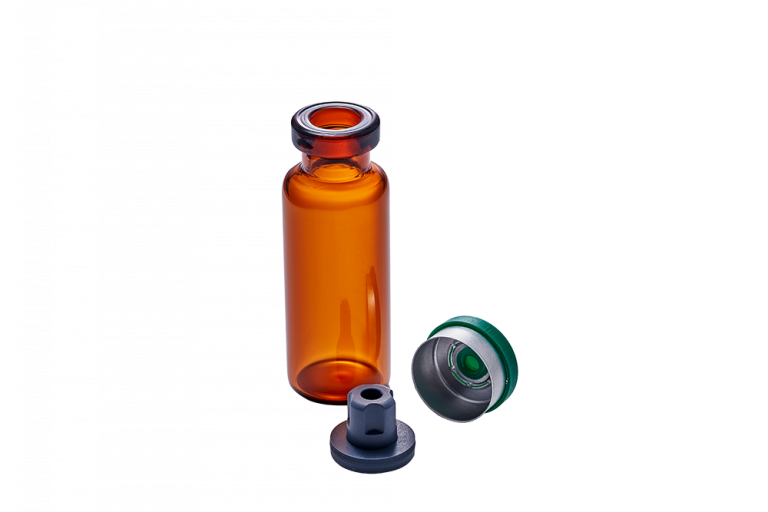
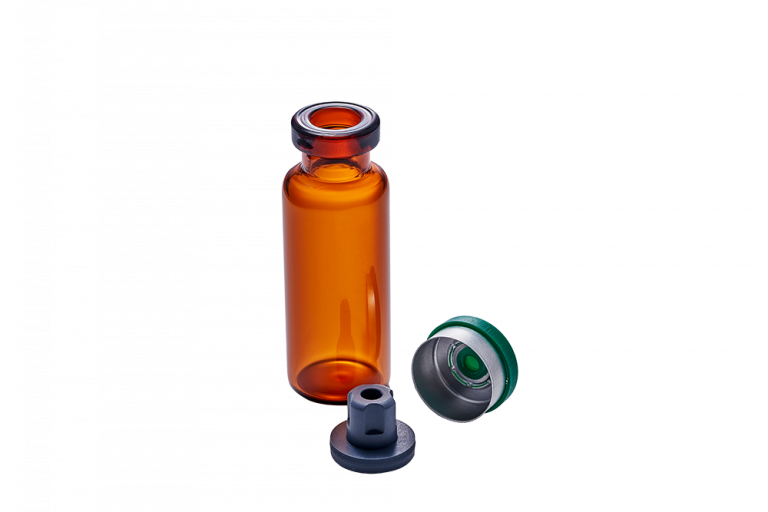
On June 12, 2019 at our Boston fill-finish line, a 0.8% fracture rate on a 12,000-vial lot produced 96 rejects—what concrete change actually halves that? I want to talk about why a tubular glass vial — and tubular vial handling more broadly — still trips up experienced operators (no kidding).
I’ve spent over 15 years in B2B supply chain and I’ve seen the same “quick fixes” repeated across plants: thicker glass, faster conveyors, a new crimp cap vendor. Those moves sometimes mask the real failure modes. In one case at our Chicago site in March 2021, swapping to a heavier borosilicate glass reduced visible breakage but increased flange stress during automated stoppering; we traded one problem for another. I’m not being theoretical here — I remember the production log: mean time between line stops fell from 18 to 9 minutes after that change. The hidden pain points aren’t glamorous: micro-cracks from poor annealing, mis-set headspace, and inconsistent fill-finish pressures. These are the things that quietly eat yield and margin.

Why did that happen?
Deeper layer: traditional solution flaws and real user pain
Most teams patch symptoms. They treat a cracked batch as a glass strength issue and order a different SKU. I’ve done that. But the root is often process mismatch — oven profiles never validated after supplier change, or small shifts in line speed that alter how a stopper seats. For example, in August 2020 we tracked a recurring seal fail to a 0.2 mm shift in conveyor timing caused by a worn gearbox. Fixing the gearbox cut rejects by 60%. That’s the sort of specific, measurable win I look for.
Common flawed assumptions: thicker glass always means fewer breaks; higher oven temps always improve annealing; a better-looking stopper always seals. None of those are universally true. You need a diagnostic approach that combines material science (think borosilicate behavior), mechanical checks (conveyor alignment, torque on crimp cap tools), and basic process data (fill volume variance, headspace control). I’ve run root-cause teams that used batch-level telemetry to reduce micro-crack incidence from 0.9% to 0.15% — and that was in a 2022 campaign where we logged every vial’s time through the annealing oven.
Forward-looking: practical comparisons and where to invest
Looking ahead, comparison beats guessing. I compare targeted interventions head-to-head: improved annealing profiles versus revised stopper seating fixtures; inline inspection upgrades versus stricter raw glass QC. When we piloted an inline high-resolution camera in Q1 2023, defect detection rose 4x and post-inspection rework dropped by half. That pilot also revealed a surprising fact — many defects showed only after crimping, not before. So a focus purely on glass composition misses the later-stage mechanical stresses.
What’s Next?
Here’s how I evaluate solutions now — and I suggest you use these three metrics when choosing changes: first, measurable impact on yield (percent reduction in rejects over a defined run); second, process compatibility (does the fix change downstream cycle times or introduce new failure points?); third, cost per avoided reject (calculate savings for a defined lot size). Apply these to any supplier swap or capital investment. It’s straightforward: score each option, run a short A/B trial, and keep what’s proven. I once recommended a modest oven retrofit over a glass redesign — it saved $22,400 in one quarter, then required a tweak — it worked, briefly — then we optimized further.
I’m convinced that solving tubular vial issues is more about disciplined measurement than bold moves. I’ll keep running pilots, compiling failure logs, and asking for the small engineering fixes that return reliable gains. For product sourcing or technical collaboration, I’ve worked directly with suppliers and can point you to practical partners like LINUO who know the metrics that matter.