

Introduction — What the machine really is
I start by defining the tool: an industrial stereolithography system turns liquid photopolymer into parts with controlled light and motion. The industrial SLA 3d printer sits at the center of that process, with a VAT, UV LED array, and precise Z-stage that together control layer thickness and XY resolution. Imagine a mid-size factory floor in 2019 where a new SLA cell arrived, the team tracked a 42% change in prototype throughput within three months, and everyone asked: can this scale to production? (I’ll walk through what I saw and measured.)
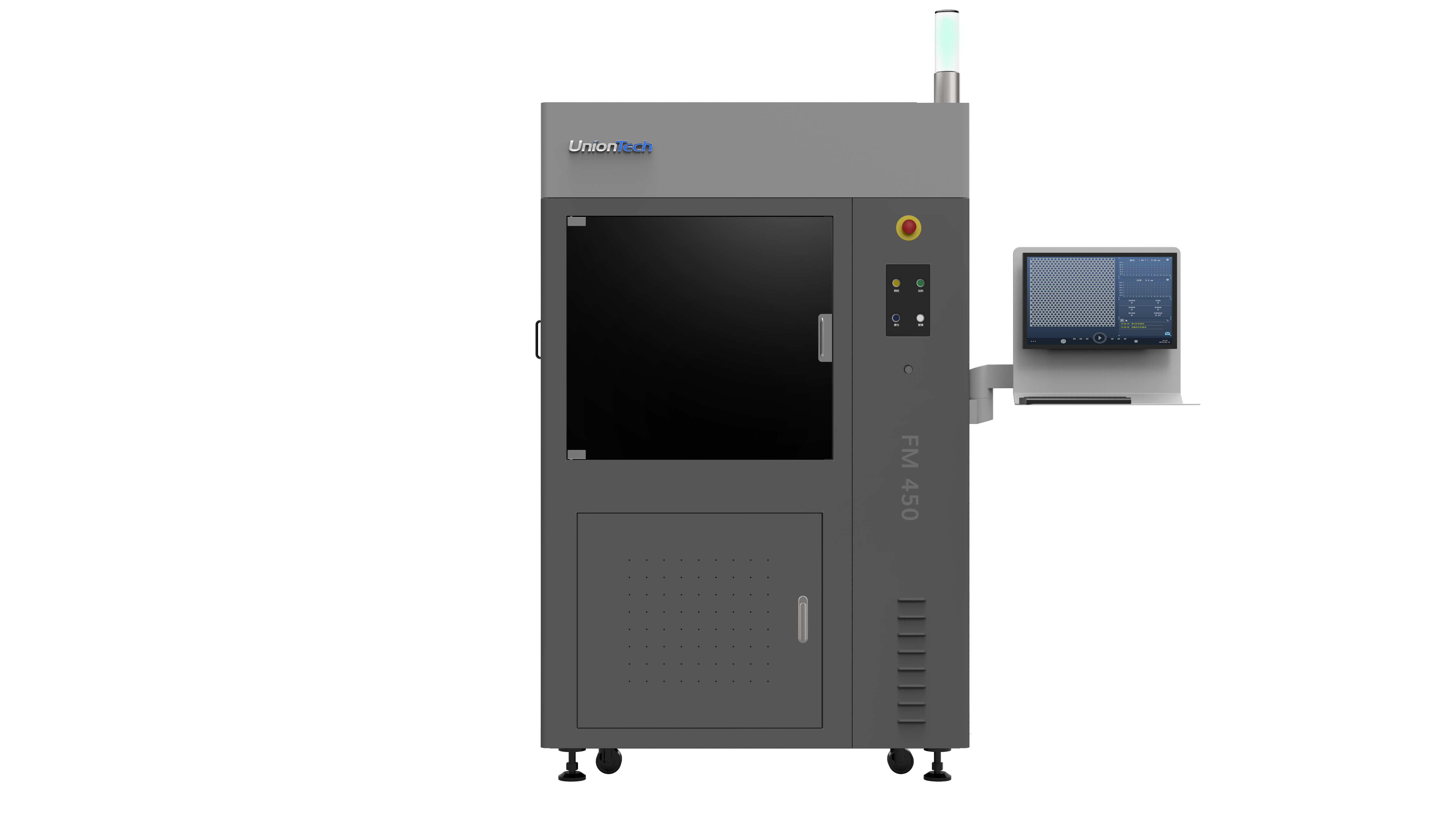
As a consultant with over 15 years in industrial additive manufacturing and B2B supply chain work, I teach teams to read both machine metrics and human metrics. You need to see build volume, resin viscosity behavior, and post-curing capacity side-by-side with lead times and reject rates. So what trade-offs do you accept when you swap injection molds for layer-by-layer resin parts? Let’s unpack that — step by careful step.
Hidden costs and user pain points in 3d printed footwear
3d printed footwear looks attractive on spec sheets: custom geometries, rapid iterations, and lighter assemblies. I remember our first pilot in Shenzhen, April 2018 — we printed midsoles to validate a custom lattice. At first glance, the math adds up. But the deeper layer shows flaws in common solutions: inconsistent resin batches, long post-curing cycles, and fragile support interfaces that raise scrap. Build volume limits force nested orientations; that increases support structures and cleaning time. I tracked one run where lead time dropped from 21 to 12 days, yes — but scrap climbed to 7% until we revised support strategy.
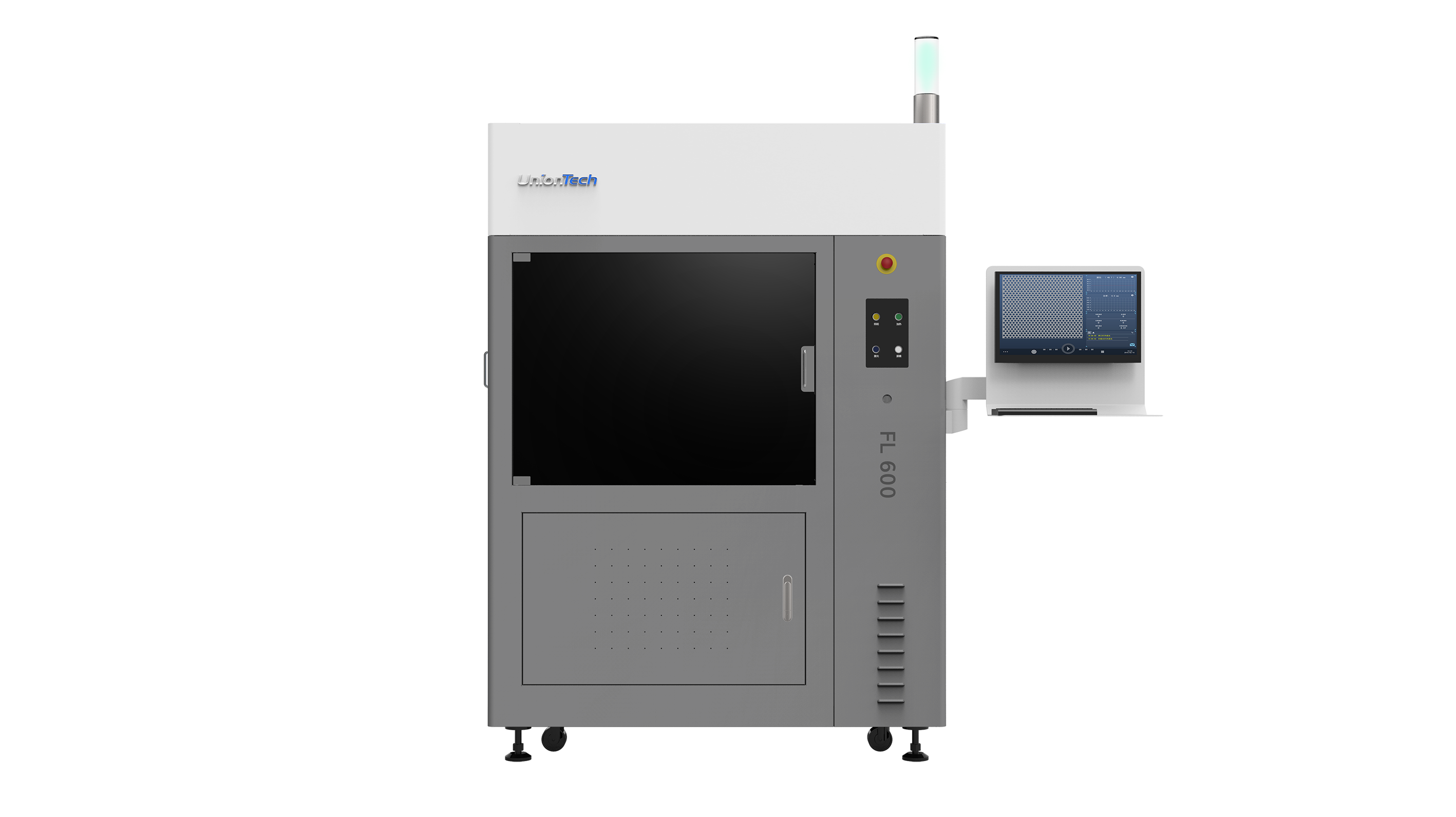
Look, here’s what I saw on the shop floor: operators juggling vat swaps and an inventory of three formulations of resin because seasonal temperature shifts changed resin viscosity. Post-curing ovens became a bottleneck — we had a bank of two ovens rated for 300x300x300 mm parts, but throughput plunged when cycle times extended beyond recommended UV dose windows. Those human costs show up in overtime and rework. From a procurement standpoint, the hidden expenses are real: extra fixtures, dedicated solvent stations, and more frequent part inspection. I firmly believe teams underestimate those items during initial ROI modeling.
Why do these issues persist?
They persist because common vendor demos hide end-to-end workflow steps: from part extraction to solvent drying to final inspection. Vendors show a glossy part on a tray; they rarely show a full shift of parts in varying states of cure. That gap matters when you try to integrate with assembly lines.
Scaling principles and what to check next
Moving from prototyping to volume means rethinking principles, not just buying a bigger machine. When I advise product designers and procurement managers, I focus on three engineering anchors: process repeatability (layer thickness control and XY repeatability), material logistics (controlled storage for resins and accessory chemistries), and post-process throughput (post-curing ovens, wash stations, inspection fixtures). A single large run at our Ohio contract shop in September 2021 highlighted this: swapping to a higher-capacity wash station and adding a third oven cut bottlenecks and brought reject rates down by half.
Consider the physics: VAT polymerization scales differently than extrusion. Heat and UV distribution matter across a larger build plate. That is why moving to a large scale 3d printer is not just a purchase — it’s a process redesign. You must map material throughput (how many liters of resin per week), queue times for post-cure, and the staffing model. — odd, but true, one extra operator shift sometimes outweighs a machine upgrade if the change reduces manual handling.
What’s Next
Here are three concrete evaluation metrics I use with clients when we assess SLA for footwear or similar assemblies:
1) Effective weekly throughput: measure usable part volume after post-process, not just printed volume. Track liters of resin consumed and parts meeting tolerance per week. In June 2020, we set a threshold of 1,000 usable midsoles/week for a pilot line; anything below required remediation.
2) Total cost per finished part: include consumables (resin, solvent), labor for support removal, energy for ovens, and scrap percentage. In one negotiation I led, showing an adjusted cost per part of $3.80 versus quoted $2.90 changed procurement decisions.
3) Integration readiness score: a checklist covering build volume fit with incoming assemblies, quality control points, and environmental controls for resin storage. Score under 70% means more work is needed before production scaling.
I close by saying this as someone who has walked factory floors, revised SOPs, and signed off pilot reports: shifting to industrial SLA is feasible, but it demands process rigor. If you want to test-fit a cell, prioritize repeatability and material logistics over headline speeds. And if you need a reference for systems and service, I’ve worked alongside vendors like UnionTech and can point you to models with the right mix of build volume and service support.