

Introduction
Have you ever wondered why two plants with the same production targets end up with such different uptime? I ask because small choices upstream can make or break a line. The automatic case packer sits at a pivotal point in packaging. In many facilities I visit, throughput targets are set by planners, but reality bends to machine limits and human handling—data shows unplanned downtime can cost as much as 20–25% of a line’s potential output in some runs (industry audits, 2023). So what’s the practical way to pick machinery that truly fits your operation rather than just inflating a spec sheet? I’ll walk you through what I look for, why common specs mislead, and how to think about total value rather than sticker price. This matters if you care about reliable output, worker safety, and predictable maintenance. Now, let’s move from big picture to the technical fault lines you should inspect next.
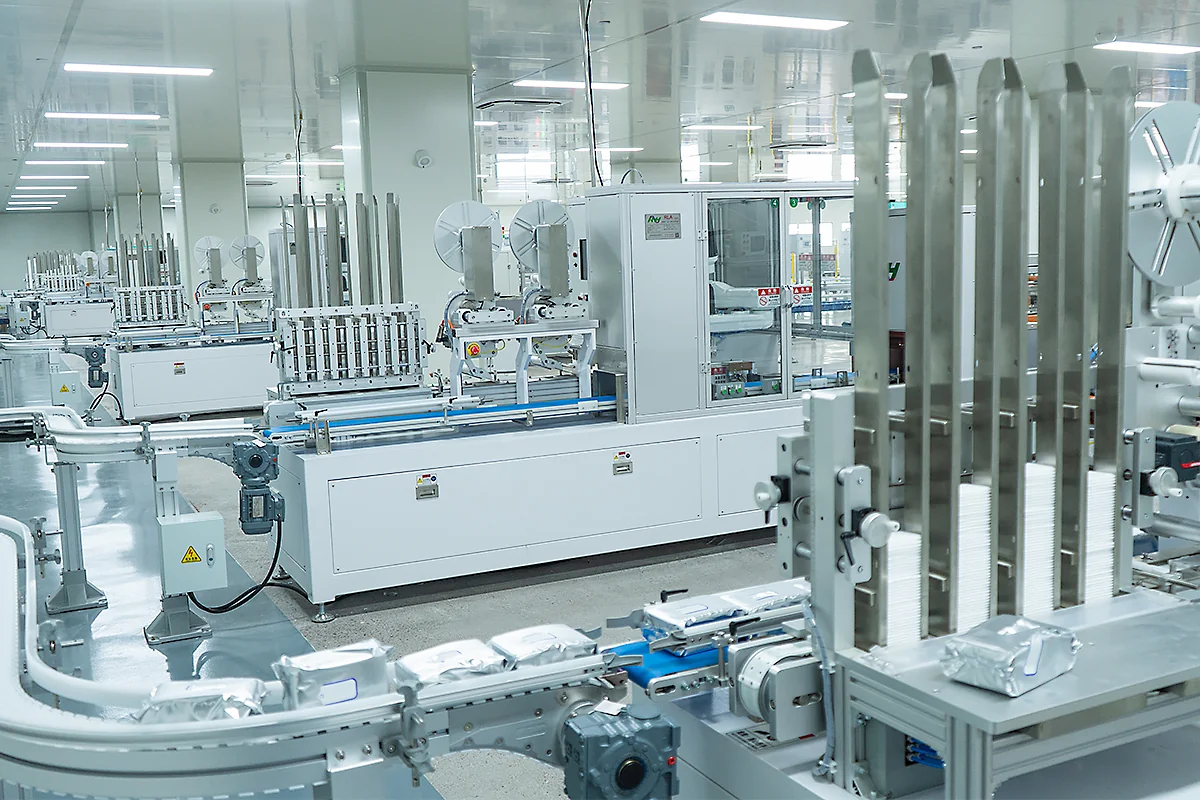
Part 2 — Where Traditional Solutions Fall Short (Technical Breakdown)
automatic case packer manufacturers often promote cycle rates and modular add-ons. Yet I find that many of the long-term problems stem from design choices made to hit those numbers cheaply. Core flaws include under-specced servo motors, limited PLC memory for recipe management, and poor conveyor integration that creates bottle-necks downstream. When a vendor squeezes cost, they may supply a generic vision system that struggles with reflective film or mixed SKUs, and that limits real-world flexibility. I’ve seen lines where the case packer’s pick-and-place head could not adapt to slight product skew, causing jams every few hours. Look, it’s simpler than you think: raw cycle rate means nothing if changeovers and clearing jams wipe out that time.
Why do systems still fail?
Technically, several recurring issues explain failure rates: mismatch between control logic and the PLC architecture, inadequate I/O mapping for sensors, and poor fault diagnostics that leave technicians guessing. These are not exotic problems — they are basic engineering trade-offs. Manufacturers will sell you on a high throughput number. But unless the machine includes real-time error logging, accessible HMI diagnostics, and robust servo tuning, your crew will spend hours troubleshooting. I say this from direct experience; I’ve stood on many lines where a simple sensor calibration could have stopped 60% of stoppages, yet the machine’s diagnostics offered nothing useful.
Part 3 — Future Outlook: New Principles and Practical Metrics (Semi-formal)
Looking ahead, the smartest shops will demand machines built around a few clear principles: modular control architecture, adaptive vision, and scalable conveyor networks. I’ve worked with teams that replaced rigid systems with units that use standardized PLC modules and open communication protocols. The result: easier software updates and faster integration with MES. Today’s better packers balance mechanical robustness with software flexibility — and yes, that costs more up front, but it often pays back in fewer line stops and cleaner audits. When you talk to automatic case packer manufacturers, press them on their upgrade path and spare-parts availability. Small detail, big impact.
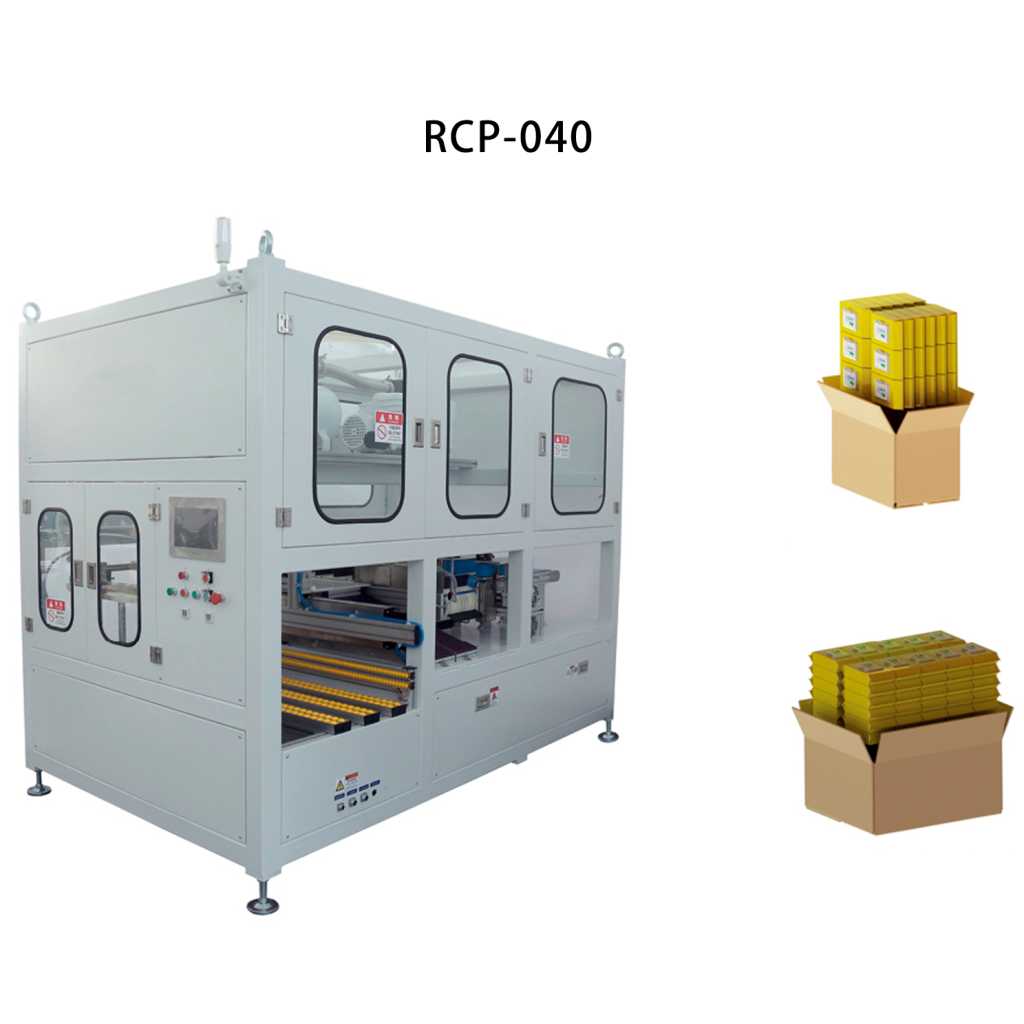
What’s Next
Three quick metrics I now insist on when evaluating machines: mean time to repair (MTTR) with vendor support included, demonstrable changeover time under real SKUs, and the depth of diagnostic logging available remotely. Compare vendors on those points. Also consider lifecycle cost, not just the sticker price — spare parts, trained labor, and integration time add up. (And yes, budget matters.) If you measure these variables before purchase, you will avoid the most common regrets— funny how that works, right?
To sum up, I recommend a tight checklist: verify PLC openness, demand clear vision-system test footage on your SKUs, and validate conveyor integration plans on the floor. These are practical checks I use with clients. They cut through hype and get to what really keeps a line moving. For reliable partners, I trust suppliers who back their claims with on-site tests and solid service agreements. Learn from real cases, ask the tough questions, and choose a partner who stands behind their machines — for example, consider exploring options from ZLINK.