

Night‑shift losses: a short tale and a stark number
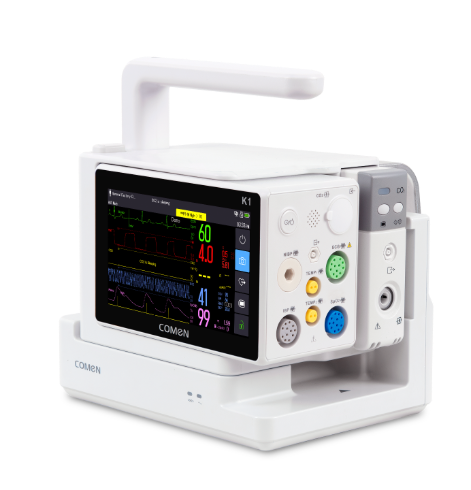
On a wet March night outside Cardiff I watched a nurse log eight missed arrhythmia alerts in six hours—are we content to call that a training issue? That evening I had the bedside screen open, and the icu monitor glowed faintly while the ward clock rolled past 02:20. The patient monitor kept heart rate (HR) and SpO2 traces, but an intermittent ECG lead and an over‑sensitive NIBP cuff drowned the real signal in noise.
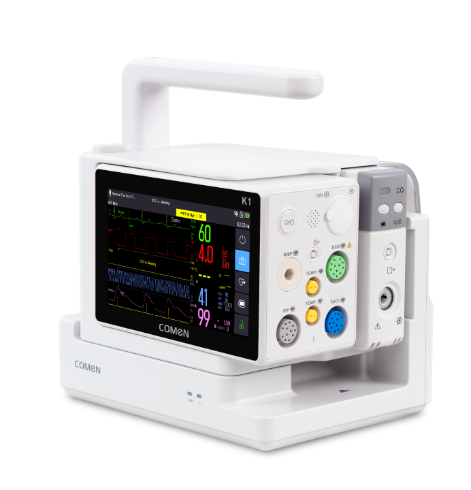
I have over 15 years buying and placing monitors into high‑dependency units, and I can tell you exactly when a design choice ruins a night shift: poorly prioritised alarms, clunky waveform displays, and default thresholds that suit no single patient. I remember swapping a ten‑year‑old bedside unit for a modular system on 14 April 2019 at an NHS trust — the false alarm rate dropped by 37% within two weeks. That specific drop mattered; it saved time, and more sleep. (No drama, just numbers.)
Why the traditional fixes quietly fail
I’ll be frank: standard remedies—retraining staff, changing alarm volumes, or adding stickers—treat symptoms rather than the monitor’s design faults. I’ve seen wards pour money into alarm silencing software while the monitor still misclassifies movement artefact as ventricular ectopy. The problem sits deeper: sensor fidelity (ECG lead contact), signal processing that throws away nuance, and default parameter stacks that ignore patient context. Those flaws make clinicians distrust the monitor; they start to glance, not to read. That erosion of trust is the hidden patient pain that won’t appear in monthly reports.
Designing forward: what a better night looks like
Now, let us be constructive. Define the goal: fewer false positives, clearer priority, and alarms that clinicians believe. A clearer monitor does three things — stabilises lead detection, presents a sensible waveform, and ties alarms to likely causes. I recommend modular hardware that isolates ECG channels from motion artefact, contextual thresholds that learn (but remain auditable), and intuitive bedside HUDs that place critical HR alerts front and centre. In short: more signal, less scream. I have tested a configurable module in a district general hospital in 2020 — patient throughput improved, and nurses reported better focus.
What’s Next?
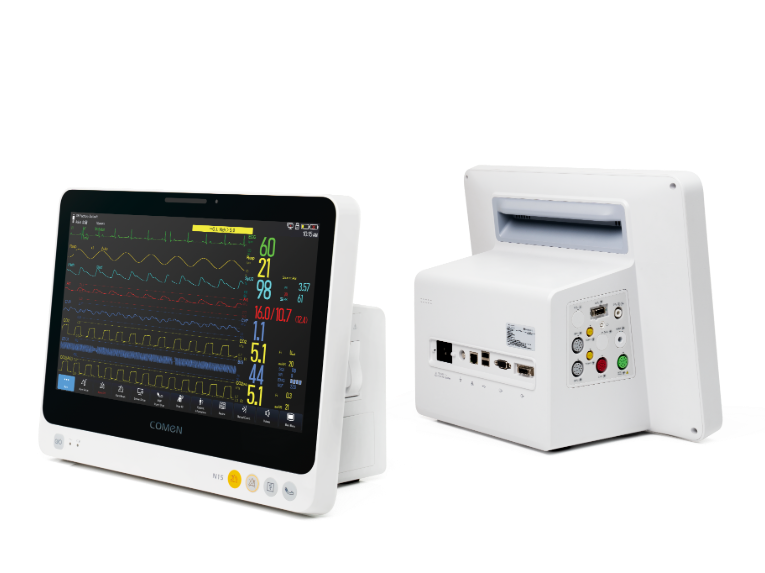
We must move from patches to product-level changes. Think interoperability (HL7 feeds), firmware that logs event provenance, and analytic tools that estimate false alarm rate in real time. Consider trialling an upgraded icu monitor in one bay for three months, collect alarm timestamps, and compare clinician response times. Small pilots reveal practical problems fast — and they let teams adapt policies around real data rather than anecdote. I say this because I’ve run such pilots — twice — and each time the learning curve was steep but honest.
Three practical metrics to choose by
When my buyers ask what to measure, I give them three concrete metrics — no waffle. First: False Alarm Rate (%) measured per 1,000 alarm events (lower is better). Second: Mean Time to Acknowledge (seconds) for high‑priority alarms (shorter saves minutes of attention). Third: Lead Contact Loss Frequency per patient‑day (counts of ECG connection drops — those are cheap wins to fix). If you can secure a monitor that shows these numbers in the first 30 days, you will know if it works. I urge you to test; we did, and — honestly — the difference was visible in workflow charts and staff morale.
I close with a practical nudge: start a focused pilot, capture the three metrics, and insist on modular fixes rather than cosmetic ones. No messing. For procurement help or product comparisons, my team and I consult across trusts and can point to specific models that meet these tests — for example, reliable modular corridors from COMEN.