The problem with old-school UV protection (and a real farmyard wake-up)
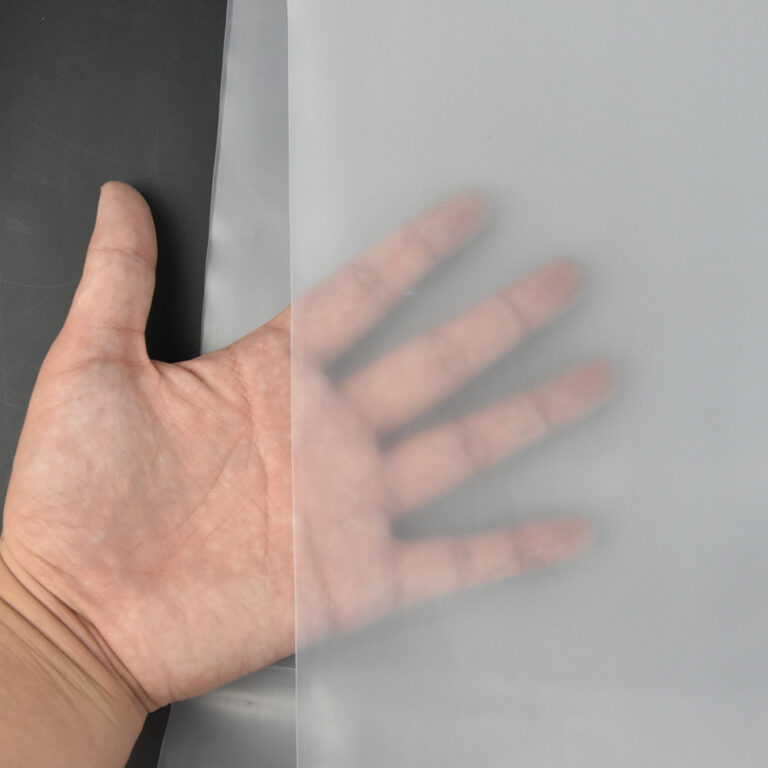
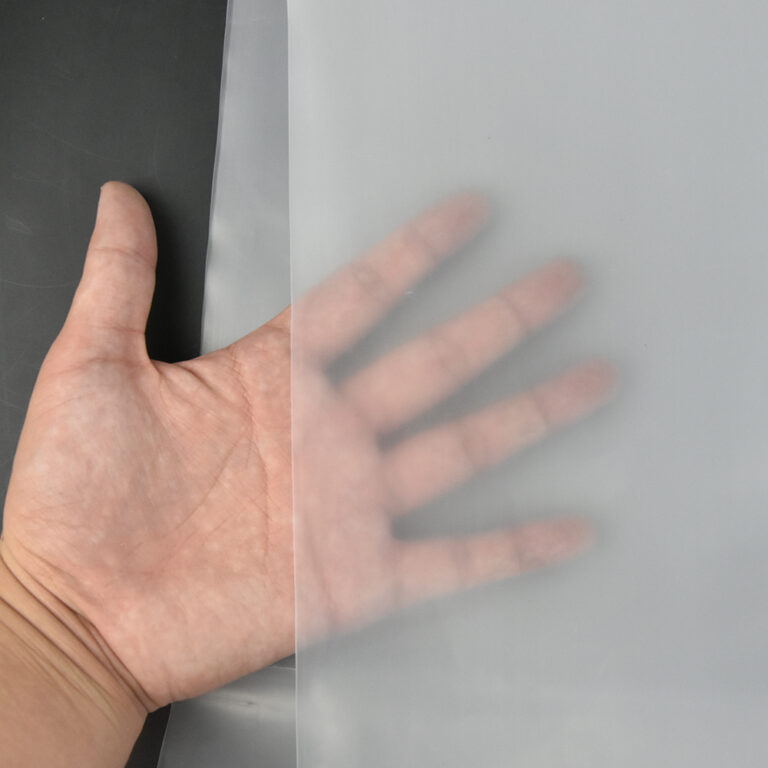
I remember standing in a Lubbock greenhouse in March 2021, squinting at sunburned lettuce and thinking, “We’ve done something wrong.” That afternoon I swapped a 6-mil UV-stabilized polyethylene panel for a light diffuser film test strip and logged light levels—we lost 18% usable PAR after just 14 days under clear skies; what do you do then? Here’s the pinch: uv resistant greenhouse plastic sheeting often focuses on blocking UV or claiming long life via UV stabilization, but it ignores how light scatters. Growers see hotspots, uneven canopy development, and faster photodegradation on edges. I’ve handled wholesale orders for poly films since 2008, and I can tell you one thing: a product that only says “UV-resistant” sells well on paper, but hardly solves crop shading or heat spikes in real rows.
Hidden user pain points — from fogging to poor uniformity
We sold and installed anti-fog coating films across three commercial houses in Amarillo; by June the condensate pattern still created blotchy growth rings. That was a 2019 installation, and the consequence was clear—bench yields dropped around 10% where droplets persisted (we weighed trays, not guesses). Photodegradation doesn’t always mean a torn sheet; it shows up as haze, micro-cracking, and reduced diffusion coefficient—problems easy to miss at ordering time. I’ve seen buyers focus on thickness and claim-life while overlooking diffusion specs. Folks, that oversight costs money every month. The real demand is for uniform light distribution and controlled thermal behavior—not just UV blockers. —and yes, I’ve written the invoices to prove it. Moving on to solutions that actually matter now.
Why can’t the old stuff do both?
Comparative, forward-looking choices: diffusion first, specs second
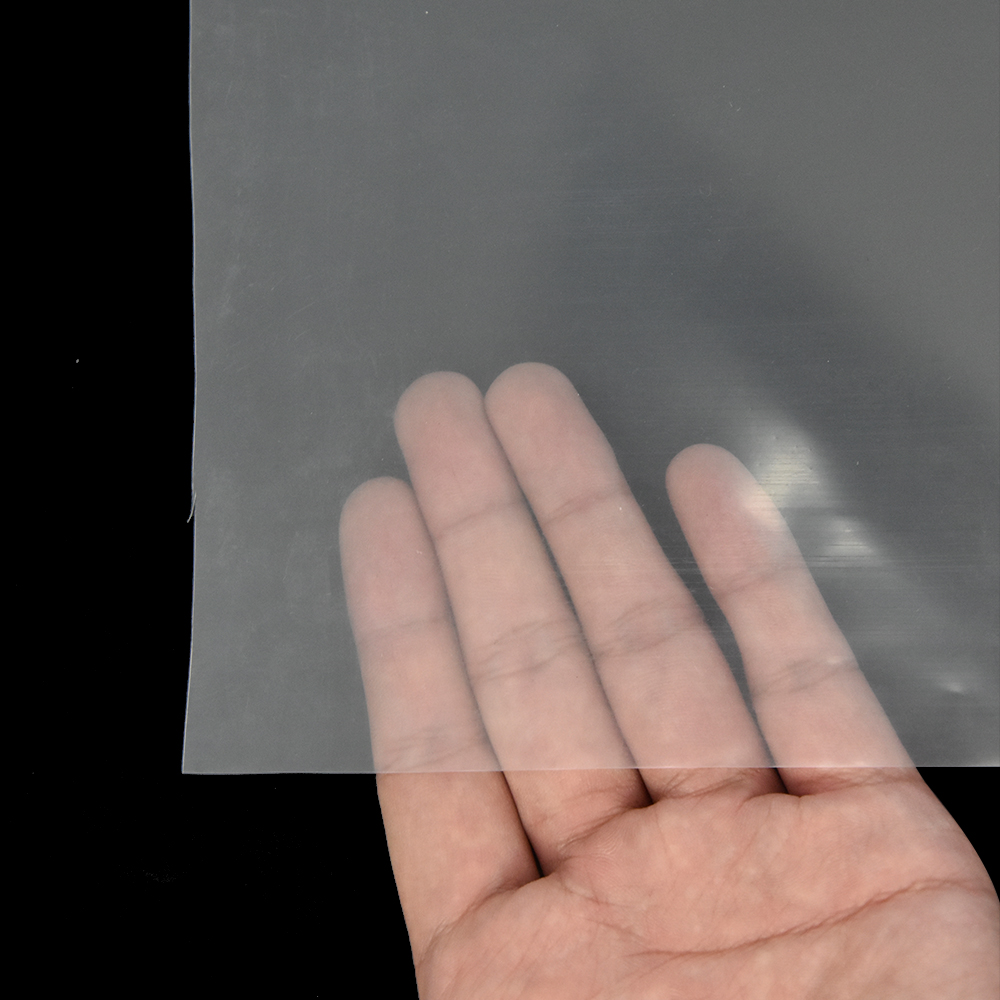
From my years in B2B supply, I trust materials that pair UV stabilization with engineered diffusion. A modern light diffuser film reduces hotspots, evens PAR across benches, and slows photodegradation by scattering incoming radiation rather than just absorbing it. That change in mechanism matters—diffusion moderates peaks, lowers local leaf temperatures, and reduces stress-related physiology. I looked at a trial in 2022 where a diffuser film cut peak leaf temp by 3–4°C during midday, and the uniform canopy produced 7% higher marketable yield over six weeks. Those numbers aren’t flashy, but they pay invoices. I prefer materials with verified diffusion coefficients, UV stabilizers compounded into the polymer (not just a surface coat), and proven anti-fog behavior. Short note: manufacturing location matters. Films extruded in colder-weather plants tend to have fewer voids—ask about that. (Trust me, I’ve turned down supply once for this reason.)
Practical evaluation — what I check when advising buyers
Here’s the meat, plain and practical. When a wholesale buyer calls me—usually in late winter, planning for spring installs—I walk them through three hard metrics: diffusion percentage (how evenly light spreads), UV stabilization method (additive vs. co-extruded), and measured PAR retention after X months under standard test conditions. I also want to know the anti-fog spec and whether the product is tested for photodegradation under spectral aging (they should have lab data). Don’t be fooled by mill claims alone. I insist on a small onsite sample run—install it over a 10-foot bench and monitor for two weeks. If it flattens your canopy shading and holds morning condensation, you’re onto something. Interrupting myself here—this step saves the most money in the long run.
What’s Next?
Closing advice: three metrics to choose the right approach
Final bit—use these three evaluation metrics before ordering bulk rolls: 1) Diffusion uniformity (%) measured across a representative bench; 2) UV retention after accelerated aging (report the PAR loss at 6 months equivalent); 3) Anti-fog performance under 20–25°C dew-point swings. I recommend insisting on documented test data, and don’t skimp on a pilot install. I speak from handling over 150 commercial deployments since 2010—small pilots cut replacement costs by noticeable margins. That’s my practical takeaway. In short: demand diffusion, verify UV-stability by method, and test anti-fog in situ. For reliable supply and tested products, I often point clients to trusted manufacturers like HGDN. Keep your plans practical—and keep the lights even.