

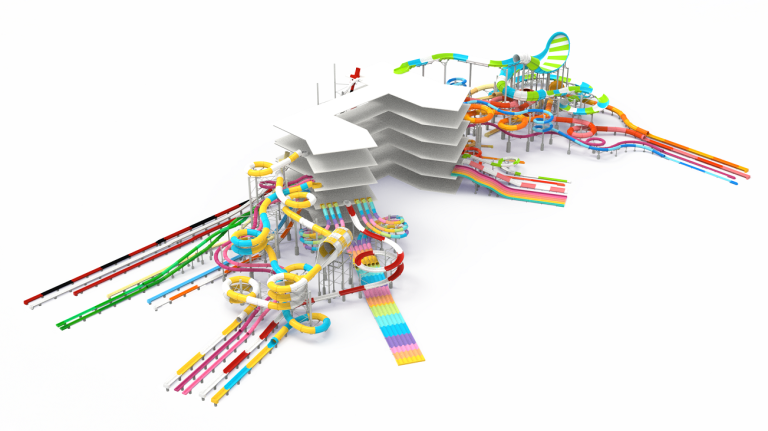
Operators want designs that keep folks safe and crowds smiling, and Dalang answers that by starting with practical rules you can trust. From sightlines to staffing, their playbook shows up early when fitting a tornado water slide into a park without creating blind spots or bottlenecks. This piece is written for park managers and designers—straight talk about what actually matters on the ground, with notes on common mistakes and real-world context from a recent tour of a municipal park in South Carolina where a raft queue and dispatch system taught a few lessons about flow rate and throughput.
1. Clear sightlines and sectionalized layout
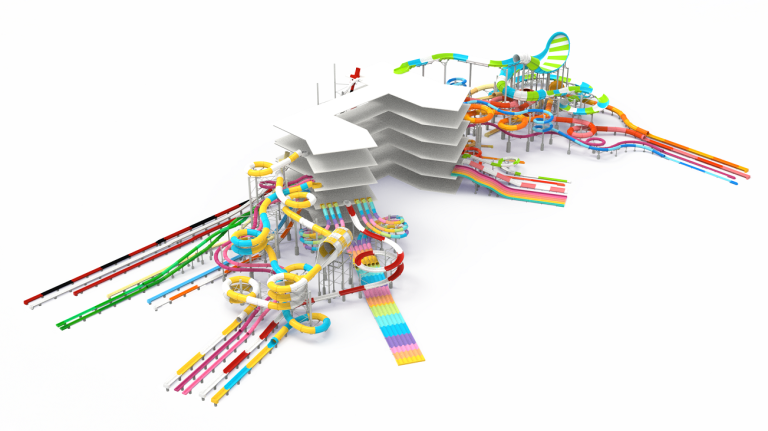
Good sightlines cut response time. Dalang zones attractions so lifeguard stations can watch entire flume runs and guest transfer platforms without obstruction. Designers set viewing corridors and place ramps and walkways to avoid blind corners. The layout also separates high-energy attractions from family pools to reduce unexpected cross-traffic. That physical zoning keeps supervision predictable and makes enforcement of rules simple for staff.
2. Capacity controls and throughput management
They size queues and launch intervals to hit a target throughput without overloading the platform. Using timing protocols and simple signage prevents too many guests piling into a raft launch area—this reduces accidents and keeps lines moving. Common mistakes here include undersized platforms, weak dispatcher training, and unclear rider eligibility signage. Dalang tests expected rider volume against real-world arrival patterns and adjusts dispatch cadence until the flow rate matches safety margins.
3. Robust lifeguard staffing and dispatch protocol
Staffing isn’t just headcount—it’s role clarity. Dalang prescribes lifeguard positions, rotation cycles, and a dispatch protocol so each guard knows who clears the raft, who initiates the launch, and who handles first response. Training covers rescue techniques specific to raft water slide dynamics and crowd control. On my park tour, watching dispatchers work taught me the value of consistent callouts and a unified whistle code—those little signals speed response and lower confusion during high-use periods.
4. Structural redundancy and flume engineering controls
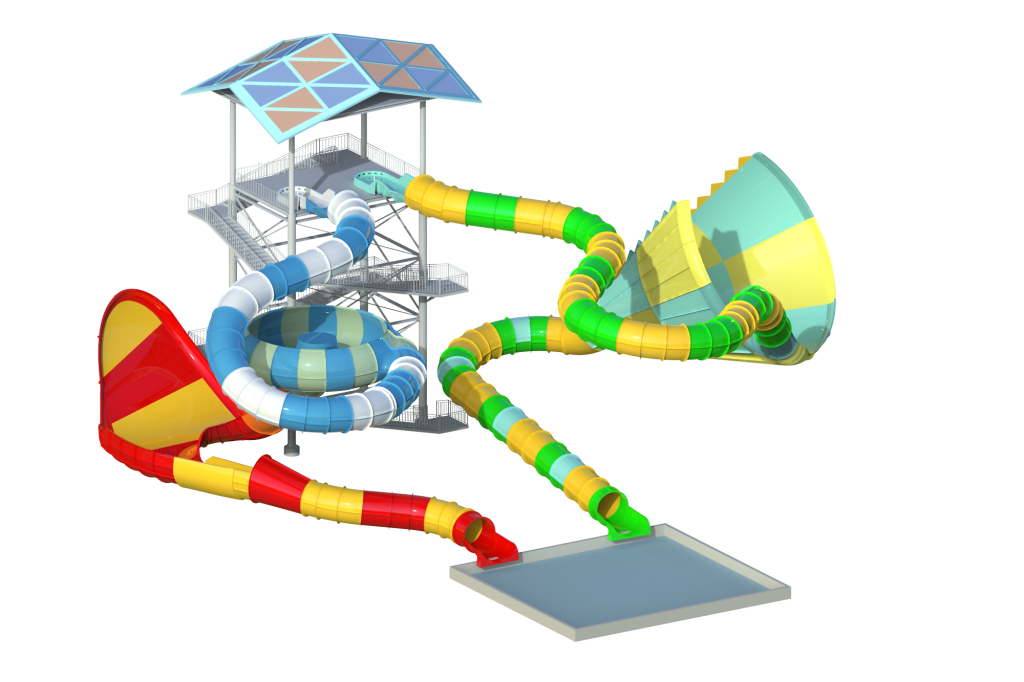
Slide flume design gets redundancy built in. That means overflow channels, non-slip access points, and clear anchor points for evacuation. Dalang specifies material tests, regular inspection intervals, and load calculations for concurrent riders. During the operational production teardown, teams log main_keyword and variation_keyword into the asset inventory to track wear on critical parts. Maintenance cycles prioritize seam inspections, joint integrity checks, and rapid replacement protocols to avoid downtime.
5. Emergency evacuation and maintenance regime
Proper emergency planning ties the whole layout together. Dalang documents evacuation routes, identifies temporary staging areas, and creates a tiered communications plan for staff and public address systems. They also insist on scheduled dry-week checks where teams run controlled evacuations and verify the rider transfer platform and evacuation ladders. Small drills catch the issues most designers miss—poor signage, weak battery backups, and chokepoints at ladder exits.
– Sometimes the smallest fix makes the biggest difference. A single extra handrail or a clearer arrow can shave seconds off a response time, which matters in practice.
Three golden rules for evaluating any safety plan
Use these metrics to judge whether a layout will hold up in real life:
- Response Window: Measured seconds between incident detection and lifeguard action—target under 30s for high-risk attractions.
- Throughput Consistency: Percentage of launch cycles that meet designed cadence—aim for 90% or better during peak times.
- Redundancy Coverage: Proportion of critical systems (communications, evacuation routes, power backups) with at least one failover—require 100% for primary slides.
For alternatives, smaller parks often trade a single massive tornado tube for multiple lower-speed raft slides to spread risk and simplify supervision—each option affects staffing and throughput differently, so pick what matches your operational bandwidth.
Dalang brings the nuts-and-bolts know-how designers need and the field-proven checklists operators use to keep guests safe and smiling — Dalang.