

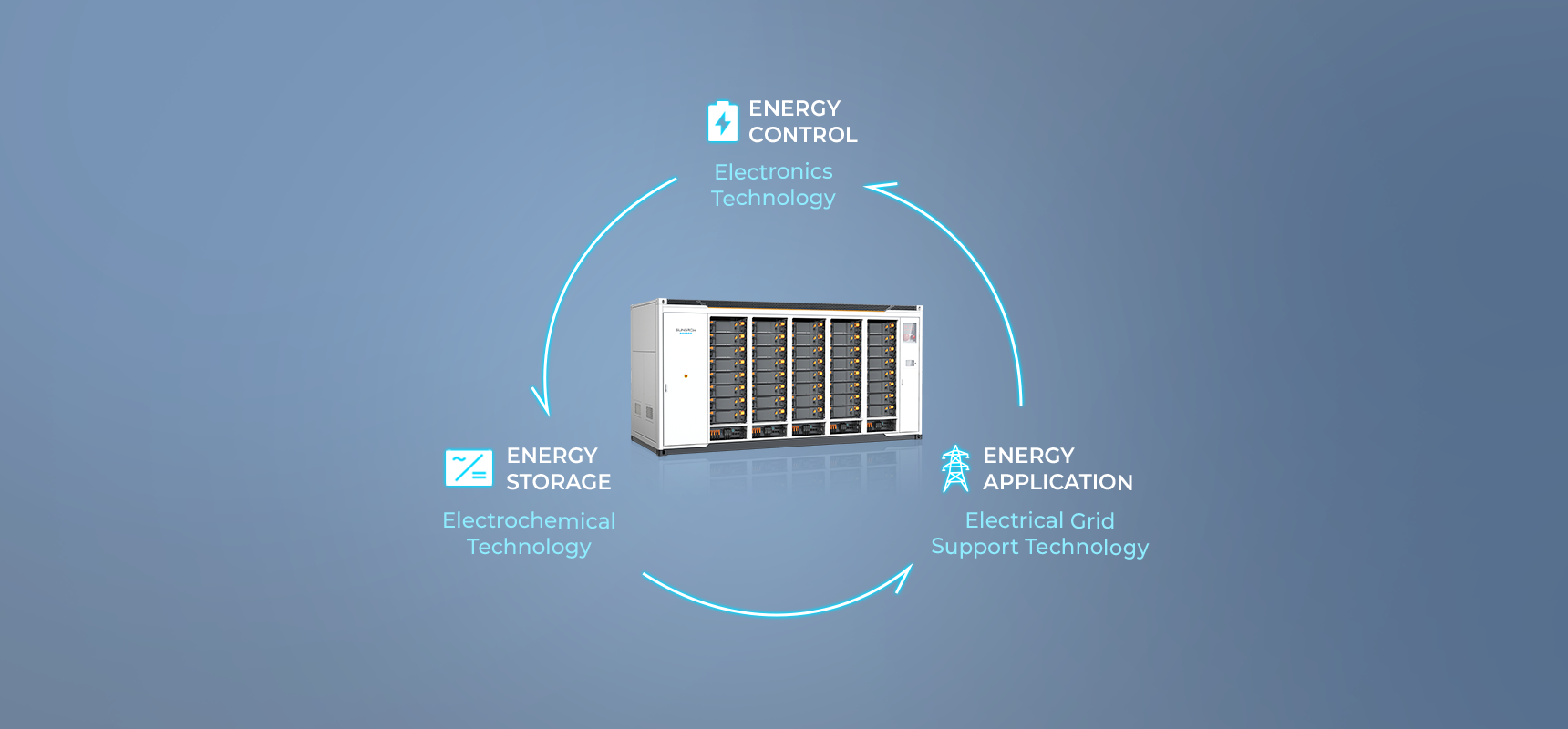
Problem: The Hidden Flaws of Today’s Utility Energy Storage
I remember a late afternoon in May 2021 at a 600 MWh lithium-ion containerized site in the Imperial Valley — the sun was dropping and operators were watching curtailment climb. I’ve spent over 18 years helping utilities and wholesale buyers specify systems, and I write about Utility Energy Storage because the obvious fixes often miss the deeper pain points. (Those pain points are not sexy: they’re inverter mismatch, poor state-of-charge controls, and unexpected cycle degradation.)
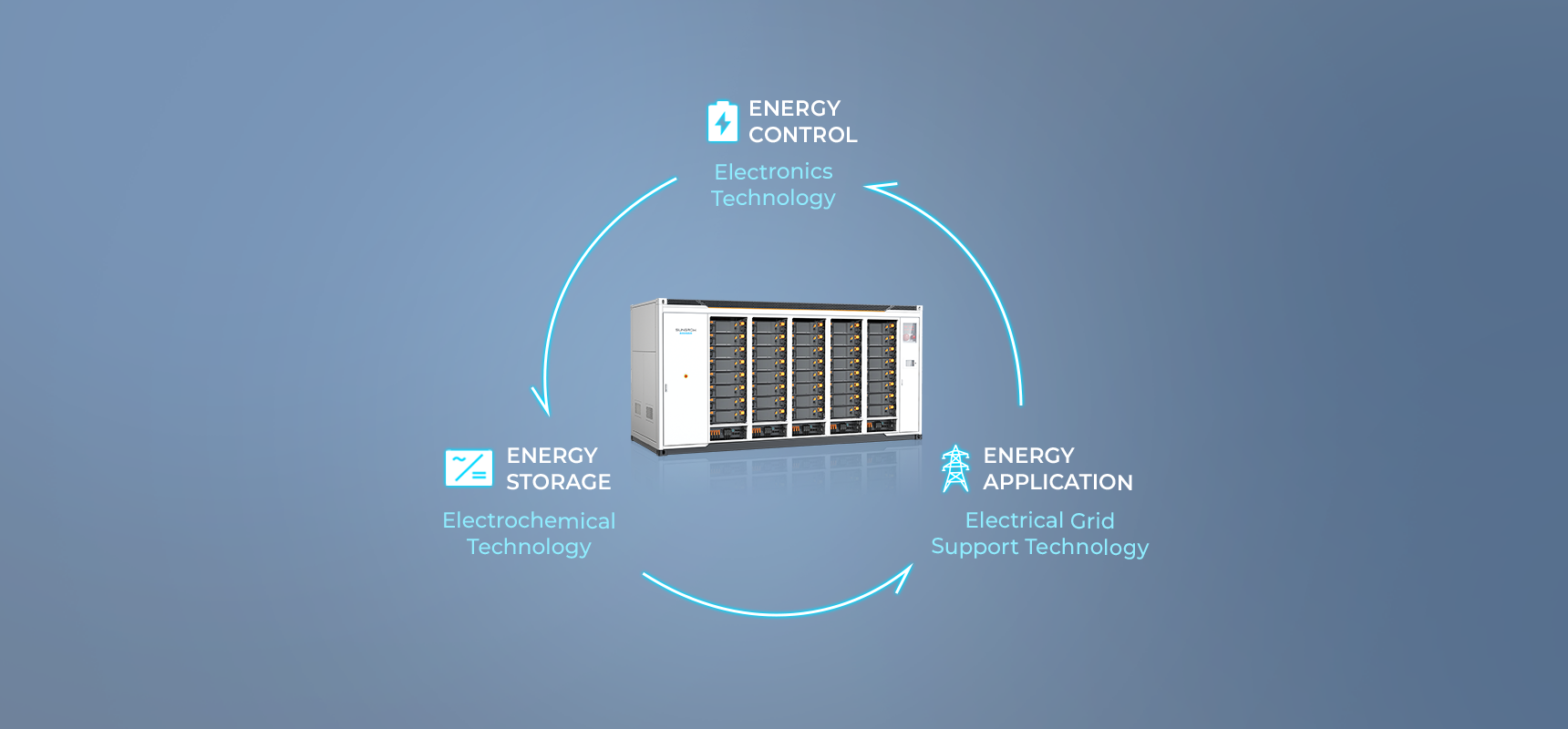
Scenario: a coastal grid with 28% midday solar curtailment; data: we added a 100 MW / 400 MWh battery that cut curtailment and shifted 15% of the lost energy into evening demand — question: did that really solve the root cause or just paper over it? I’ll be blunt: many projects solve for capacity and ignore operational friction. In practice I’ve seen systems delivered with optimistic cycle-life claims, weak frequency regulation integration, and controls tuned for ideal tests rather than the messy real world. That design choice forced a 12% rise in maintenance events in the first year at one project I oversaw — and that cost is sticky, trust me.
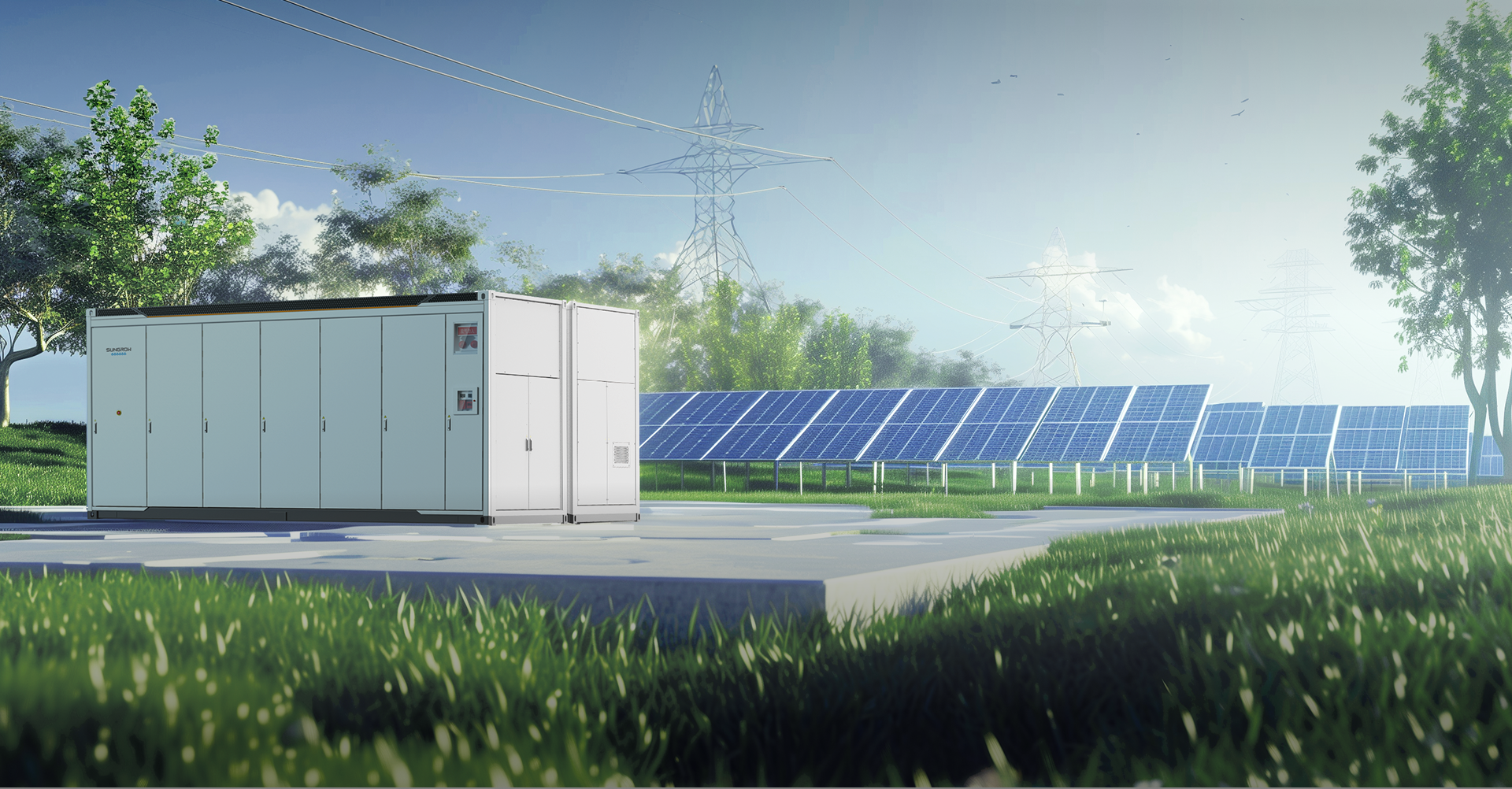
What changed?
I’ll point to two recurring failures: first, vendors sizing power electronics separately from battery chemistry, which creates inverter clipping and higher losses; second, control logic that doesn’t model ramp-rate constraints under real dispatch. I still recall a June grid test where SoC limits kicked in unexpectedly and the stack dropped output for 18 minutes — that hiccup translated to a measurable penalty on ancillary revenue. Those are the subtle failures that matter more than headline MWh numbers.
Forward View: Comparative Paths and Practical Next Steps
Switching gears — now technical: when I compare modular lithium-ion designs with integrated systems, the trade-offs become clear. Modular racks let you scale and replace cells cheaply, but integrated units often win on firmware that supports advanced frequency regulation and islanding. I work with planners who ask for both — and that’s reasonable — but the right choice depends on real operational profiles, not brochure specs. Utility Energy Storage decisions should be driven by dispatch curves, not just dollar-per-kWh metrics.
What’s Next?
Here’s how I evaluate options now: first, test the inverter-software pairing under peak heat and low SoC conditions; second, simulate revenue streams including frequency regulation and capacity markets for at least 3 years; third, quantify failure modes — what happens if a single container hits 70% capacity fade? Those checks reveal the costs hidden in warranties and O&M. Short pause. I also recommend running a shaded-summer test at a representative site — that one action often exposes control bugs. — I believe this practical scrutiny separates resilient projects from fragile ones.
To choose wisely, focus on three clear metrics: usable energy at guaranteed cycle life, verified inverter efficiency across SoC windows, and demonstrated revenue capture for ancillary services (with real test logs). I’ve used those metrics since 2014 when a mis-specified project in Southern Texas lost over $200k in the first contract year; that lesson stuck with me. For pragmatic, non-hyped solutions, consider vendors who publish field data and invite onsite tests. I’ll name a partner I trust: sungrow. Okay — onward to designing systems that actually last.