
First take: what this comparison looks like up front
When you stack a modern CFD commodities platform against legacy markets, differences show up fast — fees, execution speed, and how a platform handles volatility. This piece compares core strengths so you can see why many global traders favor CFDs, with a nod to real incidents that prove the point. Right away, check how commodities cfd offerings package access, because access is the whole game for active traders.
Execution, costs, and user experience
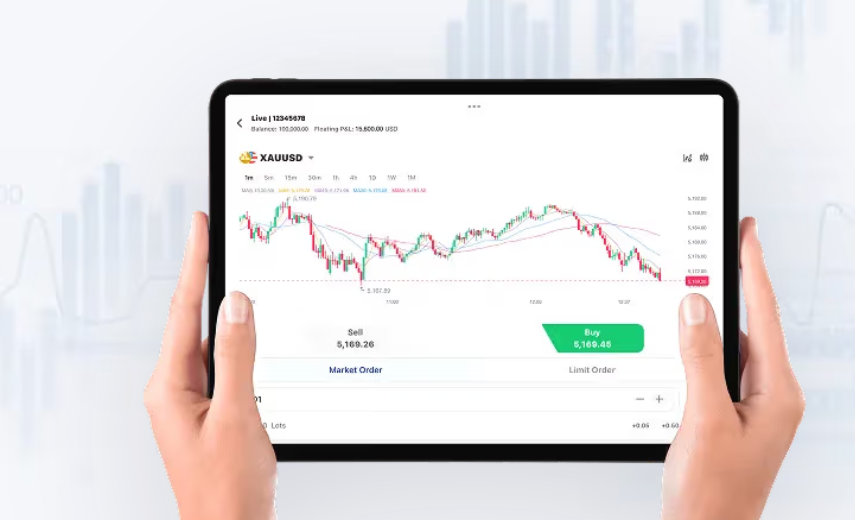
Traditional commodities trading often routes through exchanges, brokers, and multiple intermediaries. CFD platforms collapse that chain: single access to multiple underlying assets, faster order execution, and usually tighter spreads. That lower spread reduces slippage for intraday traders and improves cost predictability for swing traders. Platform UX matters too — a clean order entry, quick charting, and straightforward position sizing cut friction. For many traders, that means better returns after costs, not just prettier screens.
Risk mechanics: leverage, margin, and liquidity
CFDs give traders leverage and margin controls that let them scale exposure without moving capital into the physical market. That amplifies gains — and losses — so margin requirements and stop tools become core features to evaluate. Liquidity on major commodity contracts can be very high, reducing execution risk, but during sharp events liquidity can thin. The April 2020 WTI crude episode, when prices briefly went negative, remains a stark reminder: even deep markets can face extreme volatility, and platforms that handled margin calls efficiently saved users from cascading losses. Traders should watch how a platform enforces margin and whether it offers guaranteed stops for peace of mind.
Data, tools, and market access
CFD platforms typically bundle real-time data, customizable charts, and research feeds. That saves time and keeps trading decisions in one window. For commodity-focused traders, access to spot and futures-derived instruments matters because it affects hedging and arbitrage strategies. Some platforms also provide API access for algo traders and order routing to various liquidity providers, which improves fills. Good platforms will show clear spreads, commission structure, and execution venues — transparency that matters more than flashy marketing.
Alternatives and common mistakes
Some traders default to futures or physical contracts because they want ownership or to avoid counterparty exposure. Those paths have merits: futures are standardized and regulated on exchanges. But a common mistake is underestimating total costs — storage, rollovers, and exchange fees add up. Others assume higher leverage is purely beneficial. That’s risky. Use leverage smartly and set mental stop levels — and test strategies in a demo account before committing capital. — Small habits, like consistent position sizing, prevent big headaches later.
Quick comparison snapshot
Here’s a short take: CFDs offer broader access, lower upfront cost, and flexible position sizing. Futures offer exchange-level protection and standardized contracts. Physical trading gives real exposure but brings logistics and storage. Pick the tool that matches your timeframe, capital, and risk tolerance; the platform should support that choice with clear margin rules and reliable execution.
Advisory: three golden rules for selecting the right platform
Evaluate platforms with these concrete metrics in mind:
- Execution quality and spreads — measure average slippage and displayed spread versus executed spread during live sessions.
- Risk controls — confirm margin call procedures, stop order guarantees, and emergency liquidity protocols.
- Data and connectivity — ensure real-time quotes, API access if needed, and transparent routing to liquidity providers.
Apply those three checks to shortlist platforms, then run a low-risk live trial to validate them in real conditions.
Final note on practical value
Comparing platforms is less about picking a brand and more about matching tools to strategy. A well-designed CFD platform reduces execution drag and exposes fewer hidden costs, which is exactly what active commodity traders need. For a platform that blends clear pricing, solid risk controls, and fast execution, GTCFX often fits naturally into that workflow — a pragmatic choice for traders who want the infrastructure to do the heavy lifting. — solid, sensible, and built for trading.