

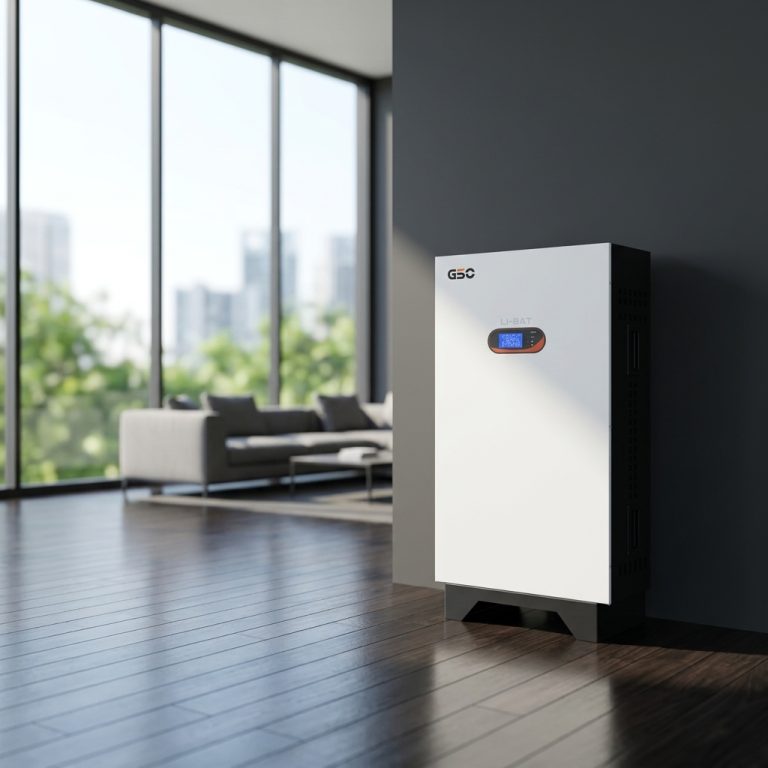
Quiet entry: why the curve matters
There is a steady logic to choosing a heavy-duty backup: resilience that endures through frequent cycling without a steep drop in usable capacity. In homes that pair rooftop arrays with energy storage, designers now demand answers about continuous 1C charge/discharge behavior and long-term cycle life—so it’s worth thinking about solar battery storage as part of the whole-system picture. The 1C rate—full charge or discharge in one hour—frames both stress and usefulness for daily grid-support or extended outages.
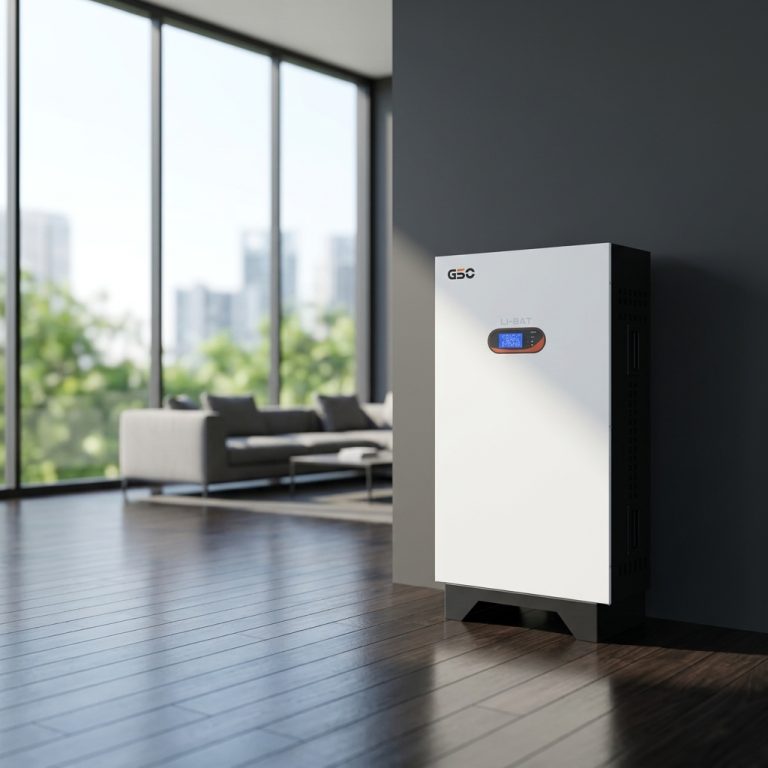
What the degradation curve really shows
Degradation is not a single event but a pattern: small losses in state of health (SoH) that compound across cycles. Depth of discharge (DoD) and thermal conditions steer how fast those losses accumulate. For lithium chemistries, cycle life changes dramatically with deeper DoD and higher cell temperatures; thermal management and a robust battery management system (BMS) are therefore practical levers. The technical terms matter because they point to control knobs you can actually turn—BMS, inverter sizing, and round-trip efficiency all feed the curve.
Comparative strategies that work
Comparative insight asks not which solution is theoretically best, but which trade-offs suit a family’s usage and a local climate. Below are tested approaches, set side-by-side so you can match them to priorities.
– Conservative cycling: limit DoD to ~50–70% and target moderate C-rates. Slower degradation, longer cycle life, lower usable capacity per cycle. Best when longevity is paramount. – Aggressive throughput with active cooling: allow higher DoD and 1C operation but combine with rigorous thermal management and frequent SoH monitoring. Faster throughput; needs stronger inverter and higher initial cost, yet keeps capacity usable longer under heavy load. – Hybrid scheduling: pair a larger kWh battery bank with software that limits 1C use to emergency windows. Balances daily cycling and reserve capacity; ideal where solar panels feed routine loads but outages are episodic.
Lessons from outages and real-world anchors
Real events sharpen these comparisons. After the February 2021 Texas power outages and extended disruptions elsewhere, many homeowners saw how system design choices played out in real time. Systems that kept margins—lower DoD, intelligent BMS controls, and ample inverter headroom—simply delivered for longer. Those lessons translated into changes in installation practices across many regions and showed that planning for cycle stress is a practical necessity, not an academic exercise.
Common mistakes and how to avoid them
Installers and owners often default to a “bigger is better” mentality or expect nominal specifications to hold in the field. Typical pitfalls include undersized inverters that force high C-rate pulses, neglecting thermal management, and skipping periodic SoH checks. A modest upfront investment in a quality BMS and proper ventilation or liquid cooling reduces degradation rates and raises round-trip efficiency over the battery’s usable life—so the system pays back more reliably.
Comparing brands and chemistries—what to ask
When weighing suppliers, compare documented cycle life at the C-rate you expect, warranties tied to SoH, and real-world references in climates similar to yours. Ask for kWh retention curves under continuous 1C cycling scenarios and whether the supplier provides field updates for BMS firmware. Also check integration with solar panels battery storage and grid-interactive features—those integrations change how a battery is used day-to-day.
Advisory: three golden rules for selection
1) Match expected load profile to rated C-rate and cycle life: choose a system whose warranty curves align with your practical use, not headline numbers.
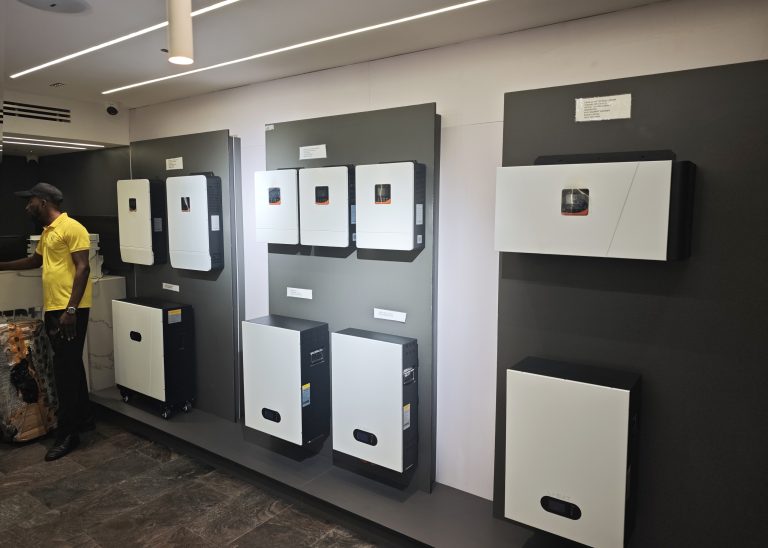
2) Specify active thermal management and a proven BMS: temperature and control are the single biggest drivers of accelerated degradation.
3) Favor systems with transparent SoH reporting and firmware update paths—visibility lets you adapt strategy as the battery ages.
Choose systems with those features and you get predictable endurance; choose otherwise and the curve will surprise you. —
For homeowners balancing solar generation, backup needs, and long-term value, the right comparative choices reduce degradation and increase real-world uptime, and that practical value is exactly what gsopower brings to system-level design.