

A Night Crowd, A Quiet Hush, A Tough Question
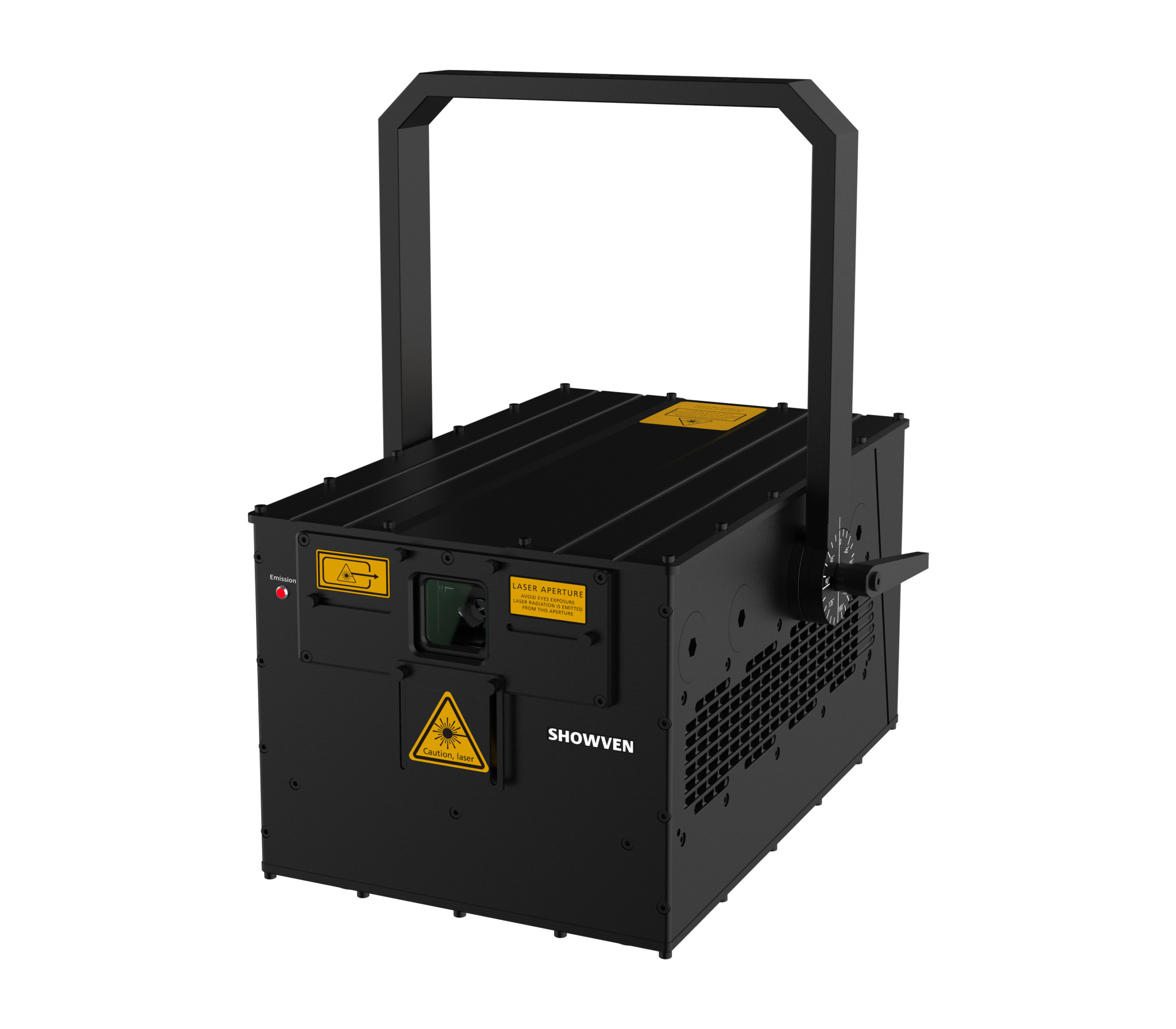
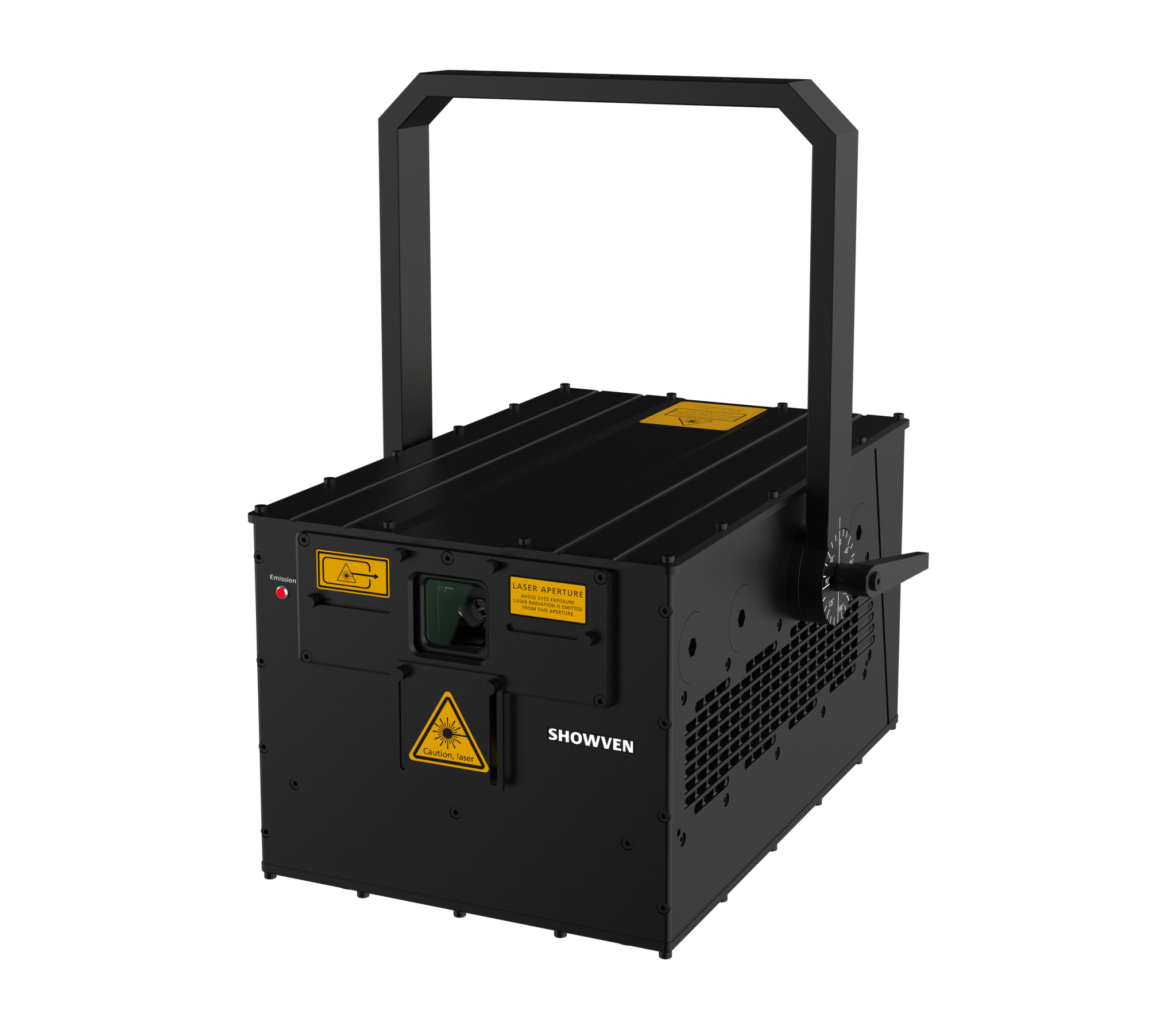
Down by the Liffey at dusk, the air goes still before the first light cuts the mist. An outdoor laser projector manufacturer might promise magic, but the crowd wants more than a sales sheet. When outdoor laser projectors fire up, people notice the sweep, the colour, the timing. They also notice flicker, noise, and delay. Specs brag of IP65 ingress protection and bright watts, yet a windy quay can humble even a bold rig. Galvo scanners hum, power converters warm, and a rain squall tests every seal (no bother, says the brochure). So here’s the rub: the show lives or dies on control, consistency, and care. Not just lumens. Not just lasers. Where’s the gap, and why does it linger—when it shouldn’t?
Are we missing the real friction?
Hidden pain points bite hard. Latency from long DMX chains. Jitter from cheap splitters. Edge computing nodes missing at the fixture, so cues arrive late. Thermal management throttling during the finale—funny how that works, right? And when fog density shifts, beam shaping optics need feedback, not guesswork. Look, it’s simpler than you think: users want silence, stable colours, steady lines, safe scans, and easy routing in the rain. They don’t want to babysit firmware or chase ground loops. They want shows that feel effortless—grand, even—night after night. Which means we compare old habits with a new build logic, and step forward.
New Principles vs Old Practice: The Clearer Beam Ahead
Old practice leans on patched protocols and brute-force power. The newer path is tighter and smarter. Drive the lasers with photodiode feedback to hold colour balance under load. Keep critical logic local; small edge computing nodes inside the head make split-second corrections before packets even hit the air. Shift to sealed, modular power converters so mains noise stays out of the scan. Use beam shaping optics and tuned divergence for visibility without harsh glare. Then sync via timecode or Art-Net with measured latency, not hope. It’s comparative by design: less cabling, more brain in the fixture; fewer human interventions, more self-checks and laser safety interlocks. And when weather rolls in, the unit adapts, not stalls—funny how preparedness looks like performance.
What’s Next
The near future reads practical. Solid-state diodes with smarter thermal paths. Self-calibrating galvo scanners that validate geometry on boot. Built-in health logs that flag faults before you see them. Even predictive cooling to keep output steady during long cues. In this frame, outdoor laser light projectors are not just bright; they’re measured. They compare favourably because they manage power, space, and time better than the rigs they replace. The crowd may not know the acronyms, but they feel the difference—clean beams, tight sync, no fuss. The lesson so far: stop throwing wattage at a timing problem. Engineer for control, then add light.
How to Choose Without Guesswork
Three checks keep decisions honest. First, control fidelity under load: verify end-to-end latency and jitter with Art-Net or timecode, and confirm frame stability at show intensity. Second, durability in weather: ask for IP65 or better, thermal derating curves, and MTBF data for scanners and fans. Third, power clarity and efficiency: look at watts per visible candela, power factor, and how the driver rejects dirty mains. Put numbers on each, compare across vendors, and test on-site if you can. If a unit stays quiet, tracks clean, and holds colour when the wind lifts, it’s the right kind of modern. And if it helps you focus on story rather than stress—that’s the keeper. For a deeper look at solutions in this space, see Showven Laser.