

Introduction — A Question That Won’t Let Go
Have you ever stood at a shop floor and wondered why the same job keeps slipping its deadline despite new machines? CNC vertical machining center manufacturers are telling you one story — higher speeds, smarter controls — but the data on throughput and scrap say something else. (Picture this: a mid-sized shop running three shifts, losing 8–12% yield to setup and tool issues.) Where does the promise meet reality, and who pays for the gap?
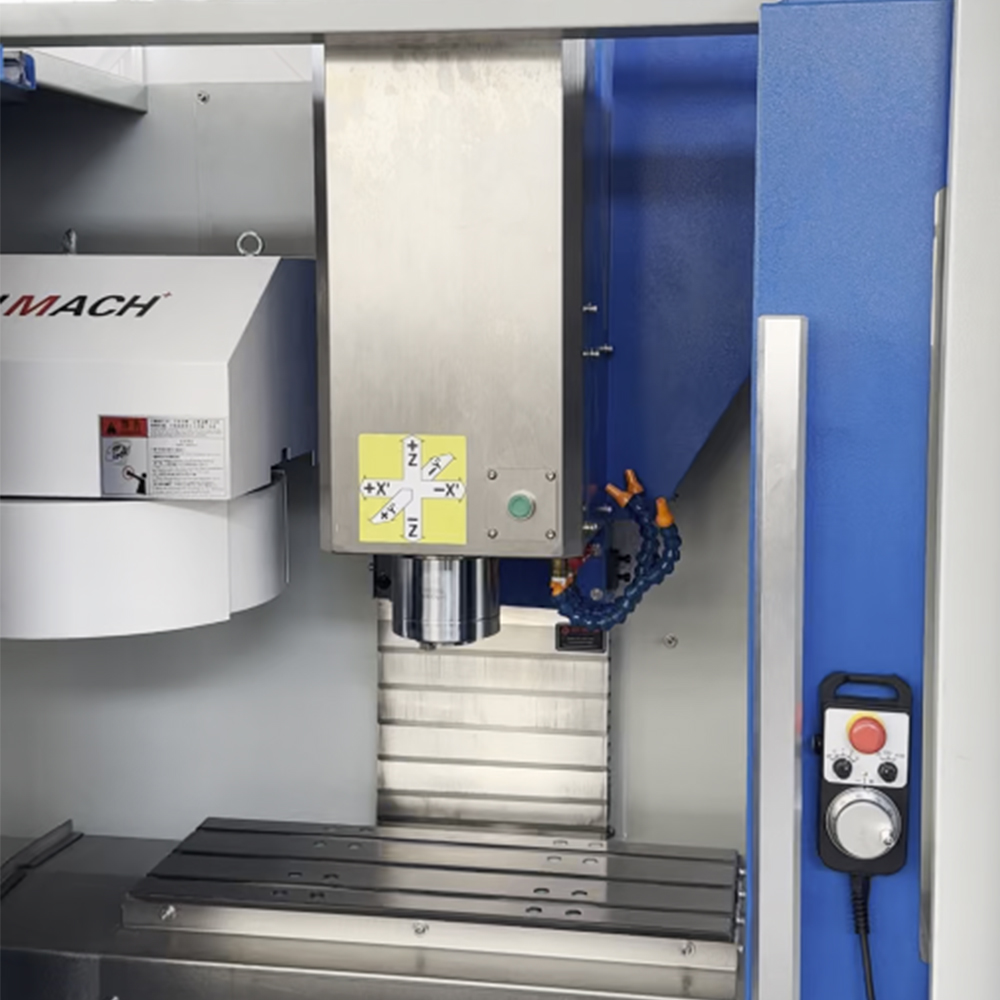
I bring this up because I’ve watched teams chase takt time while ignoring small, repeatable losses that compound. You’ll see numbers — cycle time, spindle uptime, tool change counts — that point to patterns. I’ll unpack those patterns next, and show why a focused, problem-driven approach beats shiny specs. — Let’s move on to what really breaks down.
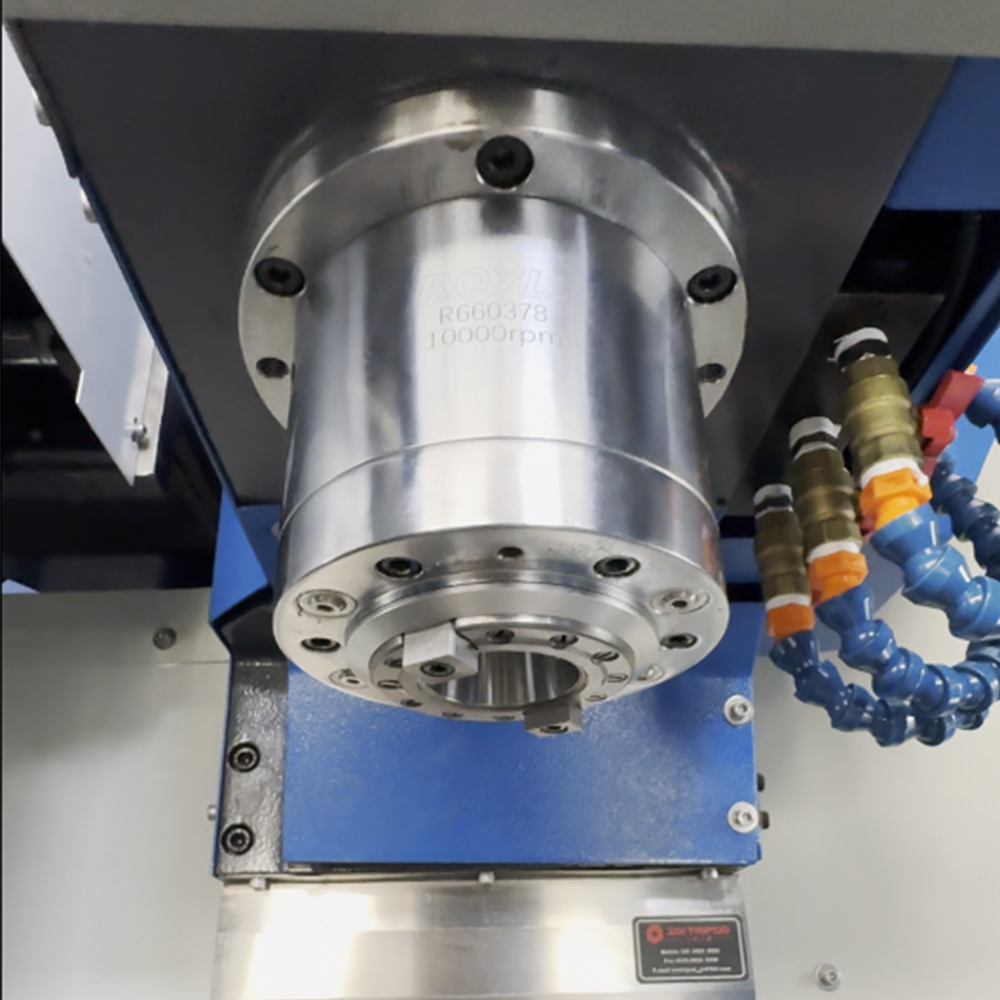
Where Traditional Solutions Fail: The Hidden Costs
Starting from the real shop floor, I want to call out a topic plainly: many people buy a small vertical milling machine for sale expecting instant gains, then scramble when the first tolerance issue appears. That’s because old fixes target symptoms — higher spindle speed, bigger tool magazines — rather than the root: inconsistent fixturing, sloppy setup procedures, and weak process feedback. In my experience, the biggest losses come from repeatable setup errors and overlooked tooling wear; you can track them in G-code aborts and frequent tool offsets, yet they’re rarely fixed at source. Spindle speed and feed rate alone won’t save you when the fixture shifts half a millimeter under load. Look, it’s simpler than you think: align the work, log the offsets, automate the checks.
(Quick aside — yes, advanced coolant systems help, but they don’t fix bad clamping.) When I inspect shops, I often find the same pattern: over-reliance on operator memory, a tool changer used past its optimal life, and axis servo tuning that was set once and forgotten. Those are not glamorous problems — ball screw backlash, tool taper wear, and intermittent sensor faults — but they quietly eat capacity. If you want a clear starter fix: standardize setup sheets, add simple probes, and schedule tool life audits. You’ll reduce scrap, and you’ll see cycle times become reliable rather than optimistic.
Why does it persist?
Because short-term production pressure beats long-term discipline. Teams patch. Management hopes. The results show in micro-stops and rework — and I’ve seen good shops transformed by small, steady changes.
Looking Ahead: Principles for Smarter Shops
Now let’s shift gears — I want to lay out a few clear technical principles that will actually move the needle. First, embrace closed-loop feedback: use probes and spindle load sensing to detect anomalies mid-cycle. Second, treat fixtures as consumables — inspect and replace before tolerances drift. Third, tune your CNC controller and axis servo loops periodically; a well-tuned axis cuts roughing time and improves finish. These are not theoretical; they work on a small vertical machining center just as well as on larger VMCs. Semi-formal rule: measure, act, repeat. — funny how that works, right?
I’m betting on incremental automation, not full replacement. Add simple edge computing nodes to gather spindle load and tool life data, then feed that into your scheduling system. Combine that data with routine maintenance — coolant system checks, spindle bearing inspections — and you’ll avoid many surprise breakdowns. In practice, shops that follow these principles cut setup time by up to 30% and lower scrap by noticeable margins. What’s next is integrating those principles into everyday work: clear checklists, short operator training, and a few well-placed sensors.
What to measure first?
Short answer: spindle load variance, tool change frequency, and first-piece inspection times. Start there, and the rest becomes clearer.
Closing — Three Metrics I Use Every Time
To finish, let me leave you with three practical evaluation metrics I personally use when advising shops: 1) Effective Cycle Uptime — percentage of scheduled time the spindle actually cuts; 2) First-Pass Yield — percent of parts meeting spec without rework; 3) Mean Time Between Setup — how often a job needs manual recalibration. These metrics reveal whether your gains are real or cosmetic. They’re simple, actionable, and they force honest conversation on the floor.
I’m not selling magic; I’m offering method. Start small, measure often, and iterate — you’ll find the bottlenecks and resolve them. For practical tooling and machine choices, I’ve seen reliable results with focused partners who support these practices — for example, check the resources at Leichman. We’ve learned that steady improvement beats dramatic upgrades most days. Give it a try — and yes, expect a few surprises along the way.