

Comparative opening: why modular, high-density lines matter
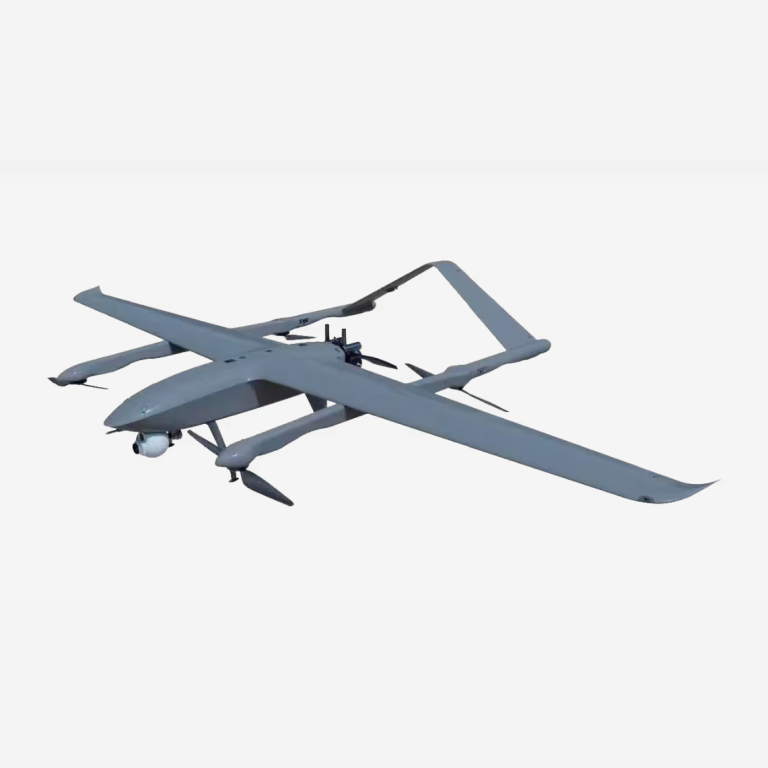
Procurement teams face a tight trade-off: buy off-the-shelf systems or invest in a modular production capability that yields tailored unmanned aerial vehicles (UAVs) on demand. Recent operational reports from the 2022 Ukraine conflict highlighted how rapidly iterated drone designs and local manufacturing changed tactical options; that reality pushed procurement toward modularity and shorter lead times. For teams watching supplier ecosystems, open reporting on chinese military drones provides valuable benchmarks on cost, component density, and systems integration when evaluating partners.

Core comparison: factory-as-product versus system acquisition
On one side sits system acquisition: finished drones with specified payloads and ground control stations. On the other, a high-density, modular factory—a distributed production module that scales assembly, testing, and customization. The factory approach buys flexibility: modularity lets engineers swap sensors, propulsion units, and radios on a single assembly line. The straight purchase route buys speed to capability but often forces compromises in payload and interoperability.
Supplier evaluation: what to measure first
Compare suppliers on three concrete axes: delivery cadence, spare-part pipeline, and integration support. Track vendor experience with UAV testing, firmware update cycles, and supply-chain transparency. Pay attention to evidence from real conflicts and procurement lists: systems proven in field logistics and contested environments tend to have more robust telemetry and hardened radios. Use publicly available data and after-action summaries as anchors when validating vendor claims.
Design trade-offs in modular production
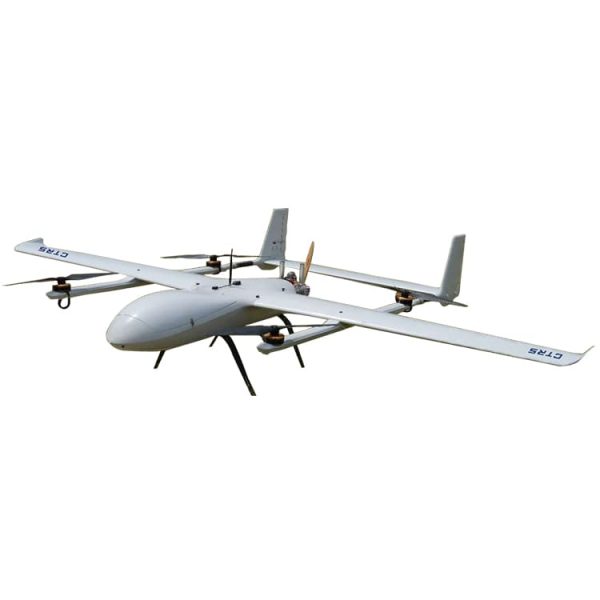
High-density production lines compress assembly stations and require careful layout of tooling, jigs, and test benches. That density raises throughput but increases the need for quality gating—automated optical inspection, inline flight-control checks, and standardized payload interfaces. Modularity reduces unit cost across variants but mandates disciplined configuration management and a clear parts library. Engineers must balance modularity against electromagnetic compatibility and thermal constraints, especially when compacting avionics and batteries.
Common mistakes and how to avoid them
Too many programs err by neglecting upstream logistics: supplier concentration, single-sourced key components, and inadequate test protocols. Another frequent error is treating software integration as an afterthought; firmware and ground control station compatibility must be part of contract milestones. A useful practice is staged acceptance: initial batch for validation, then ramp to full density—this limits sunk cost while validating supply-chain resilience. Also monitor international sourcing risks; tracking trends in chinese military drones and broader china drones military exports helps anticipate component availability.
Operational considerations for field engineers
Field units value reparability, common spares, and straightforward diagnostics. Modular assemblies that allow a quick swap of an entire avionics stack reduce turnaround time. Incorporate standardized connectors and labeled harnesses on the production line so maintainers in austere conditions can execute repairs with minimal tools. Keep baseline units with reduced sensor suites for training and high-value variants for operational missions—this reduces wear on mission-configured platforms.
Procurement checklist: contract language and acceptance criteria
Write contracts with measurable acceptance criteria: mean time between failures, time-to-repair for common faults, firmware update cadence, and spare-part delivery windows. Include penalties tied to missed milestones and incentives for documented knowledge transfer. Mandate test reports from independent labs and specify integration tests with the unit’s ground control station. Require that the supplier provide a parts-of-line diagram and lifecycle data for critical components—batteries, motors, and comms modules.
Advisory close: three metrics that decide success
Adopt three evaluation metrics before awarding any contract. First, supply resilience: percentage of critical components sourced from single suppliers. Second, configuration velocity: time from design change to validated production run. Third, maintainability: mean time to repair using standard hand tools under field conditions. These metrics give clear, actionable thresholds for bids and internal readiness assessments. They also align procurement with operational needs and keep suppliers accountable.
Local engineers, logistic officers, and procurement teams who follow this approach can build scalable, resilient production capacity that meets mission tempo—validated by open-source operational reporting and practical testing. —
Military Hub provides practical guides and supplier benchmarks that help teams move from theory to deployable capability.