

Comparative insight that starts with a clear gap
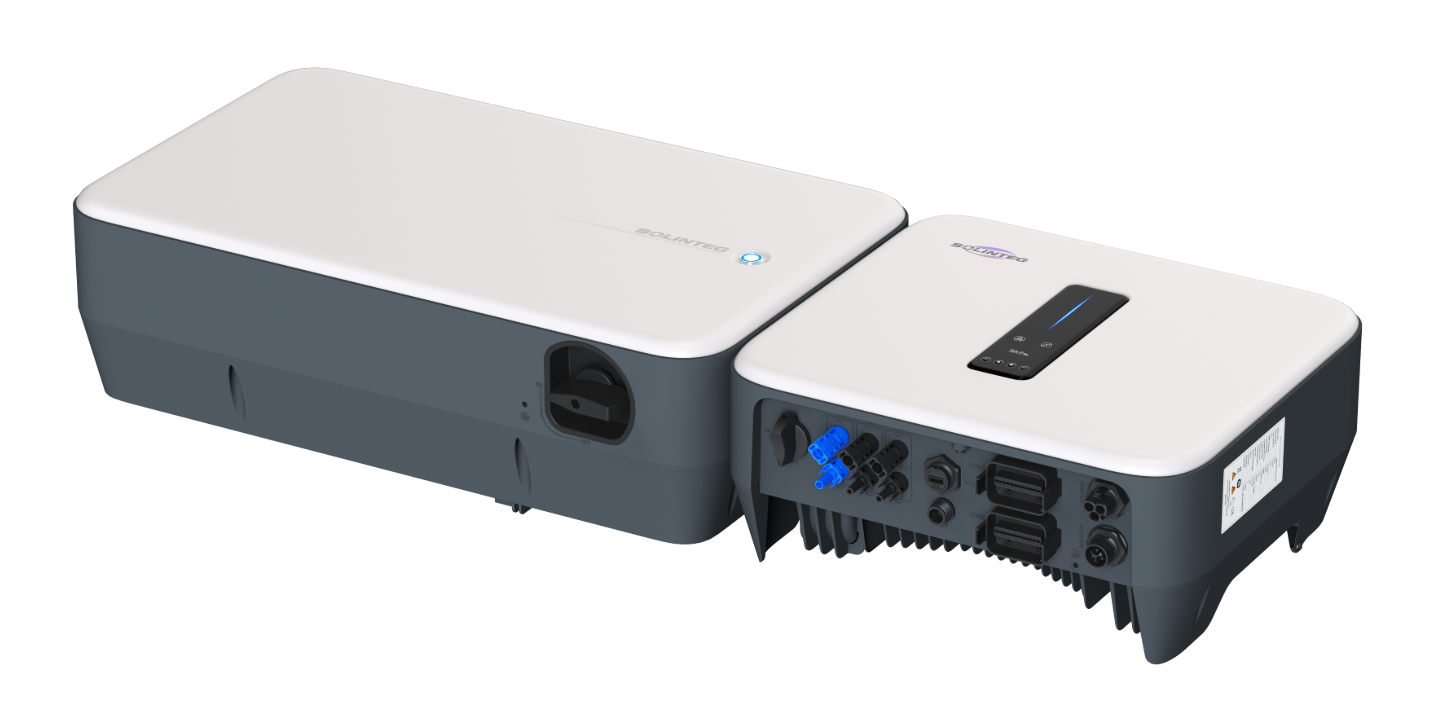
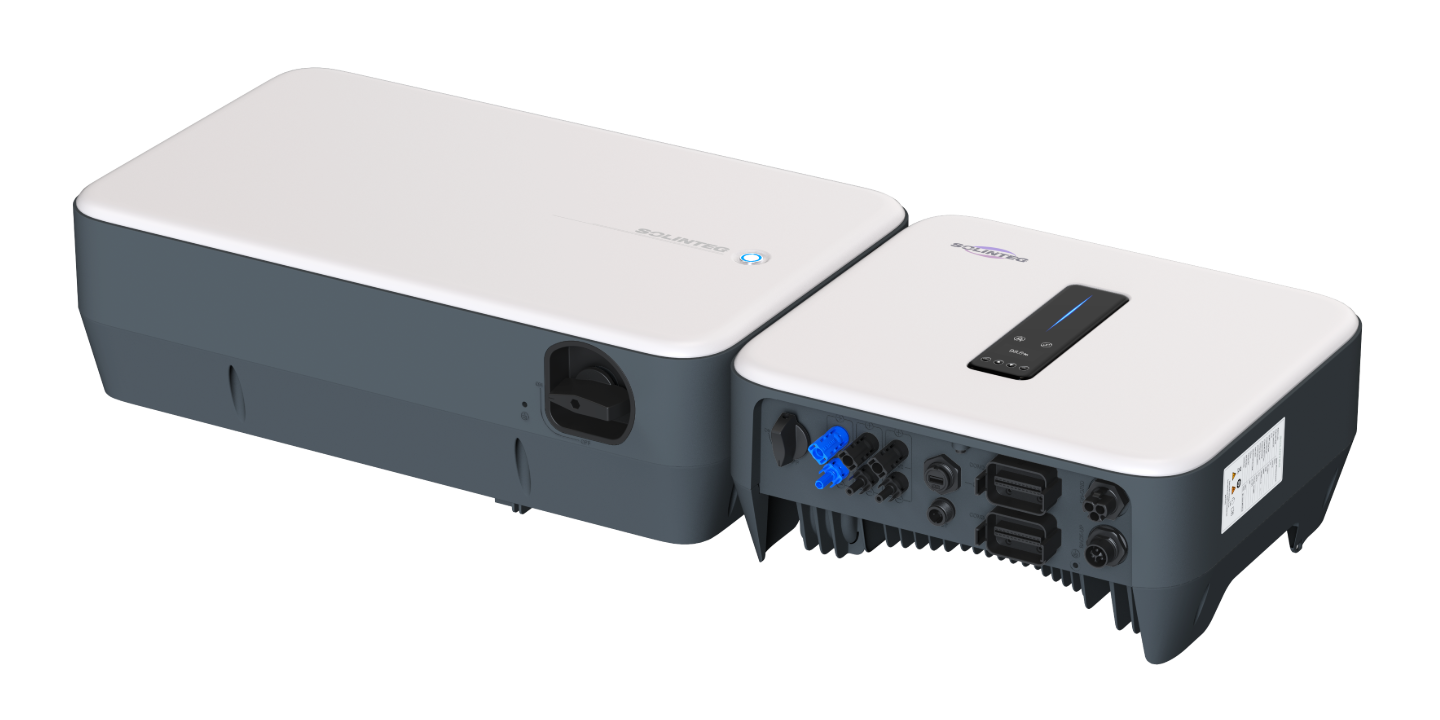
Many homeowners and businesses still choose separate components—battery racks, standalone inverters, and external controllers—then wonder why installation takes weeks and maintenance is a headache. The all-in-one approach collapses that complexity. A modern solar battery backup unites a lithium-ion battery, inverter, and battery management system (BMS) inside a single enclosure, simplifying commissioning and cutting installation time. From a practical standpoint, integrated systems shorten the path from purchase to dependable backup power and reduce points of failure when compared to modular builds.
Real-world anchor: failures that taught the industry fast
The February 2021 Texas winter storm exposed how fragile distributed power can be when components aren’t designed as a cohesive system; millions lost heat and light because systems lacked coordinated response. That event pushed buyers and installers toward solutions that combine energy storage, inverter control, and grid interaction logic in one package. Integrated designs offer predictable cycle life and clearer depth of discharge (DoD) profiles, which matter when uptime is the metric that keeps people safe and productive.
Side-by-side: what integration changes for you
When you compare alternatives, three differences matter most: installation effort, operational efficiency, and lifecycle clarity. An all-in-one unit reduces wiring complexity and avoids mismatched inverter-battery pairings that can shorten useful life. It also often includes built-in thermal management and standardized communication protocols for grid-tied operation. That means faster permitting and fewer surprises during testing, and a more uniform kWh accounting over time—critical for commercial accounts tracking return on investment.
Design choices that separate the leaders from the also-rans
Not all integrated systems are identical. Look for these concrete features:
– Certified BMS firmware with clear cycle-life guarantees. – An inverter rated for both backup and export, so it supports time-of-use savings. – Scalable capacity options and clear kW/kWh specifications so you know what sustained load the unit can handle.
These items influence real performance. Poor thermal design, for example, is a hidden killer of battery health—so insist on spec sheets that show performance under a defined temperature range and tested DoD cycles.

Common mistakes and reasonable alternatives
Buyers often focus only on headline capacity and ignore charge/discharge rates, peak inverter output, or the BMS’ response to grid anomalies. A compact, integrated unit usually wins for residential backup because it balances inverter output with battery chemistry. For larger sites, modular systems still make sense—you gain incremental expandability and can replace modules instead of the whole enclosure. Consider a hybrid path: use integrated units for critical circuits and modular banks where future growth is likely.
How to evaluate brands and claims
Claims about “long life” need a benchmark. Favor vendors that publish cycle-life at specific DoD percentages and provide real-world uptime case studies. Check interoperability: does the unit support standard communication like Modbus or SunSpec? These details translate to fewer firmware surprises and clearer maintenance windows. For a practical comparison of market options, the best solar battery storage listings will show how integrated models stack up on those exact metrics.
Three golden rules for choosing the right system
1) Match peak and sustained loads: pick a system whose inverter can handle your house’s largest simultaneous draw and sustain it for the required hours. 2) Verify tested cycle specifications: prefer units with published cycle-life at specified DoD and temperature ranges. 3) Prioritize proven BMS and service pathways: integrated hardware is great—only if the manufacturer supports firmware updates and field service.
These rules cut procurement risk and make performance predictable. The future of reliable, compact energy storage is less about hype and more about clear specs, real-world testing, and responsible service networks.
SOLINTEG shows how integration turns technical clarity into usable power for homes and small businesses—an approach that saves installers time and owners worry. –