

Introduction — setting the bench
Have you ever watched a thick steel bar wobble under a tool and wondered what went wrong?
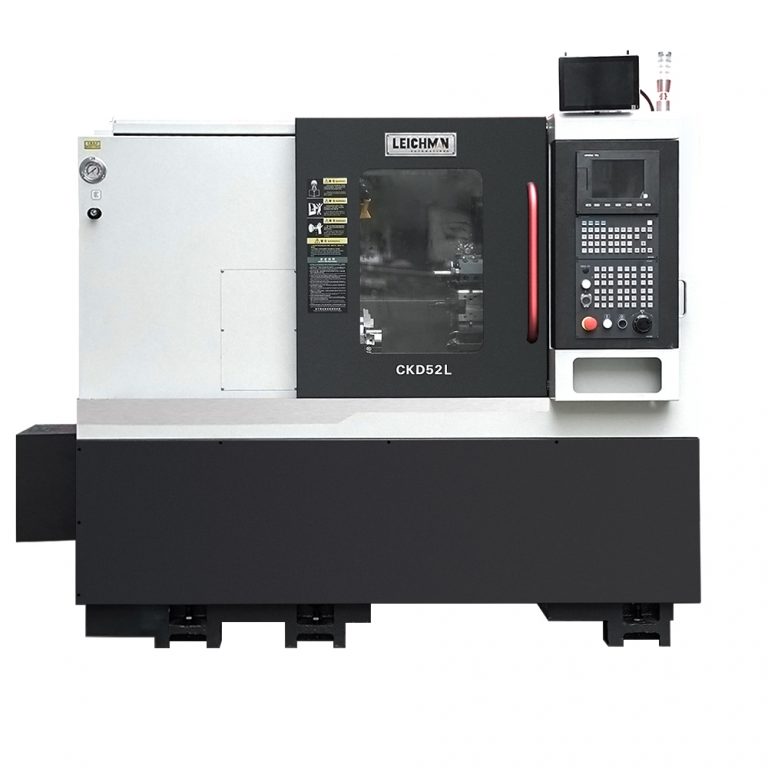
I work with shops that run a CNC turning and milling machine every day, and I can tell you the stakes are real: one bad setup costs hours and dozens of dollars in scrap. In one plant I visited, the reject rate climbed to 8% during a long production run — a small number that still meant lost time, extra setup, and tense crews. So how do we keep heavy parts steady, accurate, and profitable? (I’ve seen the same drama play out many times.)
In this guide I’ll walk you through the deeper issues that typical fixes miss, and then point toward practical, forward-looking choices you can test on the shop floor. Ready to dig in? Let’s go — step by step.
Why common fixes stumble on the cnc heavy duty lathe
We often try the obvious: lower spindle speed, reduce feed rate, or tighten the fixture. Those moves help a little, but they rarely solve the root problem. When I inspect parts after a “fix,” I still see chatter marks, uneven diameters, and broken inserts. The truth is that a heavy duty lathe needs a holistic approach — and many shops miss that. Look, it’s simpler than you think when you break it down.
What exactly is slipping through?
First, vibration paths are more complex than most operators assume. The tool turret, spindle bearings, and workholding all form a system. Change one thing and the whole dynamic shifts. Second, coolant system patterns and chip evacuation matter — poor flow builds heat and chips trap, which makes tolerances drift. Third, control tuning (axis feedback and servo motor response) can mask mechanical faults; we tweak parameters but ignore worn ball screws or loose fixtures. These are not glamorous problems, but they bite production fast.
I prefer to check three things in this order: mount rigidity, chip evacuation, and control response. It’s emotional, yes — because you want a quick win — but this sequence pays off. When I tightened a spindle bearing preload and redirected coolant flow at one plant, surface finish jumped and cycle time dropped. — funny how that works, right? The key is to combine mechanical fixes with simple control checks, not treat them as separate islands.
Looking ahead: quick turn cnc machining, tech principles, and practical choices
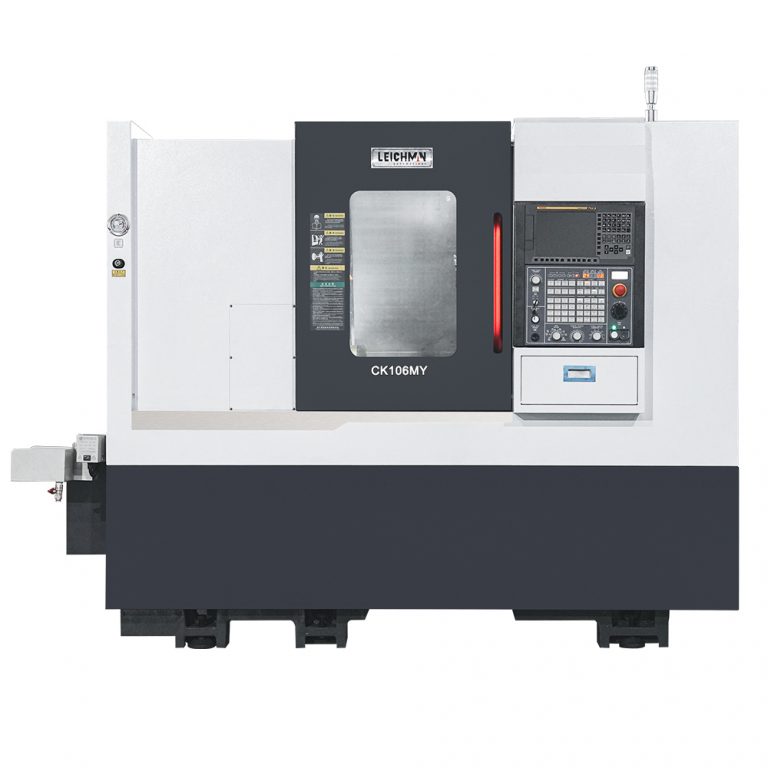
When we move past band-aid fixes, new technology principles offer real uplift. Consider how adaptive feed control and in-process monitoring change tuning. If you pair a reliable setup with sensors that watch cutting force and spindle vibration, you can detect cut instability before parts go bad. For many shops, that means starting small: add a force sensor or revise the coolant nozzle, then watch the trend. I’ve linked a clear example of a platform you can test: quick turn cnc machining platforms often combine turning and milling axis control in one rigid frame — which helps a lot.
Real-world impact?
I saw a shop upgrade its tooling strategy and install simple in-line monitoring. Within two months, setup time fell and scrapped parts dropped 60%. That came from better tool life, fewer stops, and smarter spindle speed selection. The lesson: invest in measurables, not myths. Also — and yes, that matters — train the crew to read trends, not just alarms.
Now, as you plan upgrades, weigh cost against measurable gains. Don’t chase every new gadget. Focus on improvements that reduce cycle variability, improve tool life, and make setups repeatable. Those wins compound over months. I’m convinced a small budget applied wisely often beats a big impulse buy.
Practical takeaways — three metrics to guide your choices
I’ll finish with three concrete metrics I use to evaluate solutions. First: variation in finished diameter over a run (mm or microns). If it drops consistently, you’re winning. Second: mean time between tooling changes — increase this and your cost per part falls. Third: percentage of cycle time spent on non-cutting operations (loading, probing, repositioning). Cut that and throughput rises. These metrics steer decisions away from opinions and toward facts.
We learn by testing — small loops, clear numbers, steady training. I prefer that approach because it’s honest and repeatable. If you want to implement any of the steps above, I can sketch a two-week trial plan tailored to your floor. For reliable platforms and service support, I recommend checking Leichman for machine lines and backup assistance: Leichman.