

Introduction
What happens when a motor becomes part brain, part muscle? I was standing by a loading dock last month, watching an automated pallet mover hesitate mid-turn — and it made me think hard about control layers. An electric motor is no longer just metal and magnets; it’s the control software, power electronics, and sensors all talking to one another. Industry data shows a sharp rise in motor-driven automation and EVs, and with that comes higher expectations for efficiency and uptime (and more coffee for engineers). So where are the real bottlenecks — and who pays when a drive system stumbles?
We need clear answers now — not buzzwords. In the pages that follow, I’ll walk through the weak spots I see, then look ahead at practical fixes and what to measure when you choose a new drive approach. Let’s dig in.
Deep Dive: Why Traditional Designs Come Up Short
When I look at a pmsm motor, I see elegant physics and stubborn habits. Designers have leaned on classic recipes — field-oriented control (FOC), fixed sensor layouts, and conservative inverter switching schemes — but those choices hide trade-offs. Torque ripple creeps in. Thermal hotspots form. The inverter wastes switching energy under some loads. Back-EMF-centric sensorless control can lose track at low speed. These aren’t theoretical problems; they show up as noise, heat, and unexpected downtime on the shop floor. Look, it’s simpler than you think: good parts don’t forgive bad system integration.
Why does this fail in the field?
Most failures trace to three practical gaps. First, control tuning is brittle — FOC needs careful gains and still struggles with variable inertia. Second, thermal management is often an afterthought; you get a rated torque on paper but derating in reality. Third, system-level power losses from inefficient power converters and suboptimal switching add up over thousands of hours. I’ve seen teams chase isolated fixes — better bearings, different magnets — while the root cause sat in the control loop or the inverter firmware. That misdirection costs time and budget.
Future Outlook: Case Example and What Comes Next
Let me paint a short case example. A mid-sized manufacturer replaced older drives on two assembly lines with a modern stack: updated inverters, smarter FOC with adaptive gains, and a small edge controller for predictive monitoring. The new setup let the team reduce torque ripple and redistribute cooling — and they cut unplanned stops by nearly half in three months (funny how that works, right?). This wasn’t magic. It was targeted tuning, better thermal management, and closer integration between power converters and control algorithms.
What’s Next
Looking forward, I expect more hybrid approaches: sensorless methods that fuse minimal hardware with smart observers, inverter designs that lean on better switching profiles, and local edge computing to handle real-time diagnostics. That means electric motors are going to act more like networked devices — they’ll report health, adapt to load, and even negotiate performance with other systems. The practical benefit is lower lifecycle cost and fewer surprises — but only if teams measure the right things and avoid the old habit of treating control and hardware as separate silos — wait, there’s more.
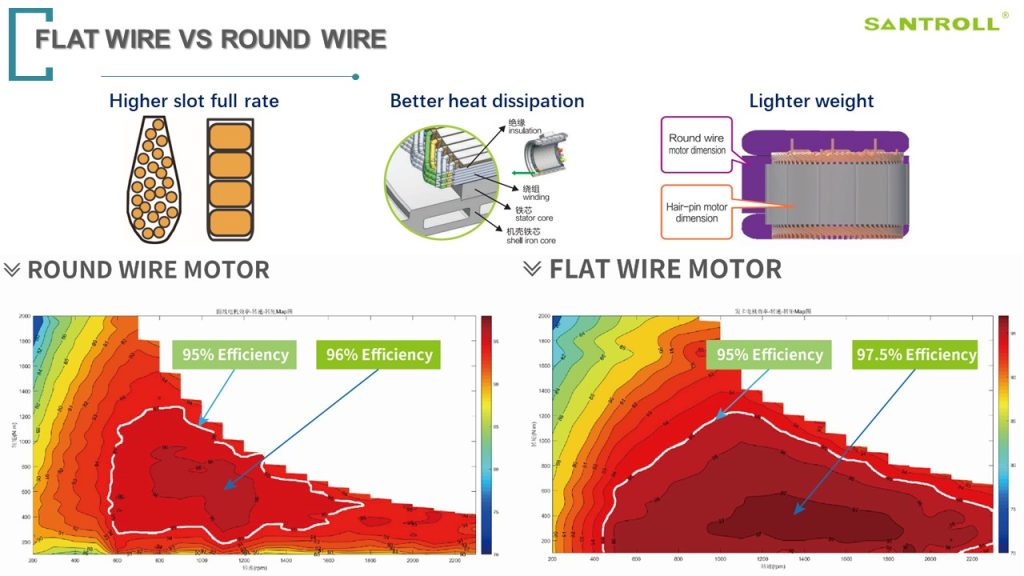
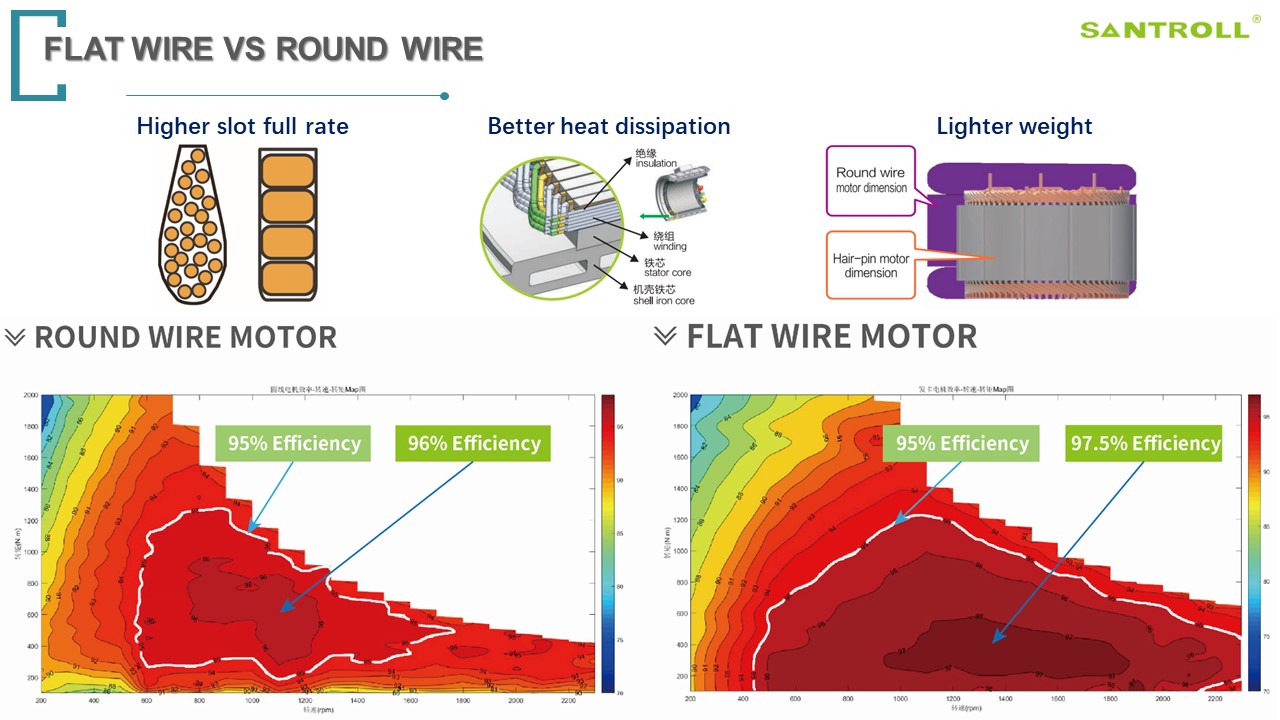
To help you evaluate options, here are three metrics I use when vetting a drive solution:- Thermal headroom: How much continuous torque before derating kicks in.- System efficiency over duty cycle: Not just peak efficiency, but area under the curve.- Recoverability and diagnostics: Can the drive report root-cause data fast enough for corrective action?
I’ve worked through the messes these choices create, and I’ll be blunt — the best tech still needs practical engineers to tune it. If you want solid results, pick systems that make those three metrics visible and measurable. For suppliers who get this balance right, you’ll see fewer surprises on the line and better returns over time. For more detailed specs and motor options, check Santroll: Santroll.