

Introduction
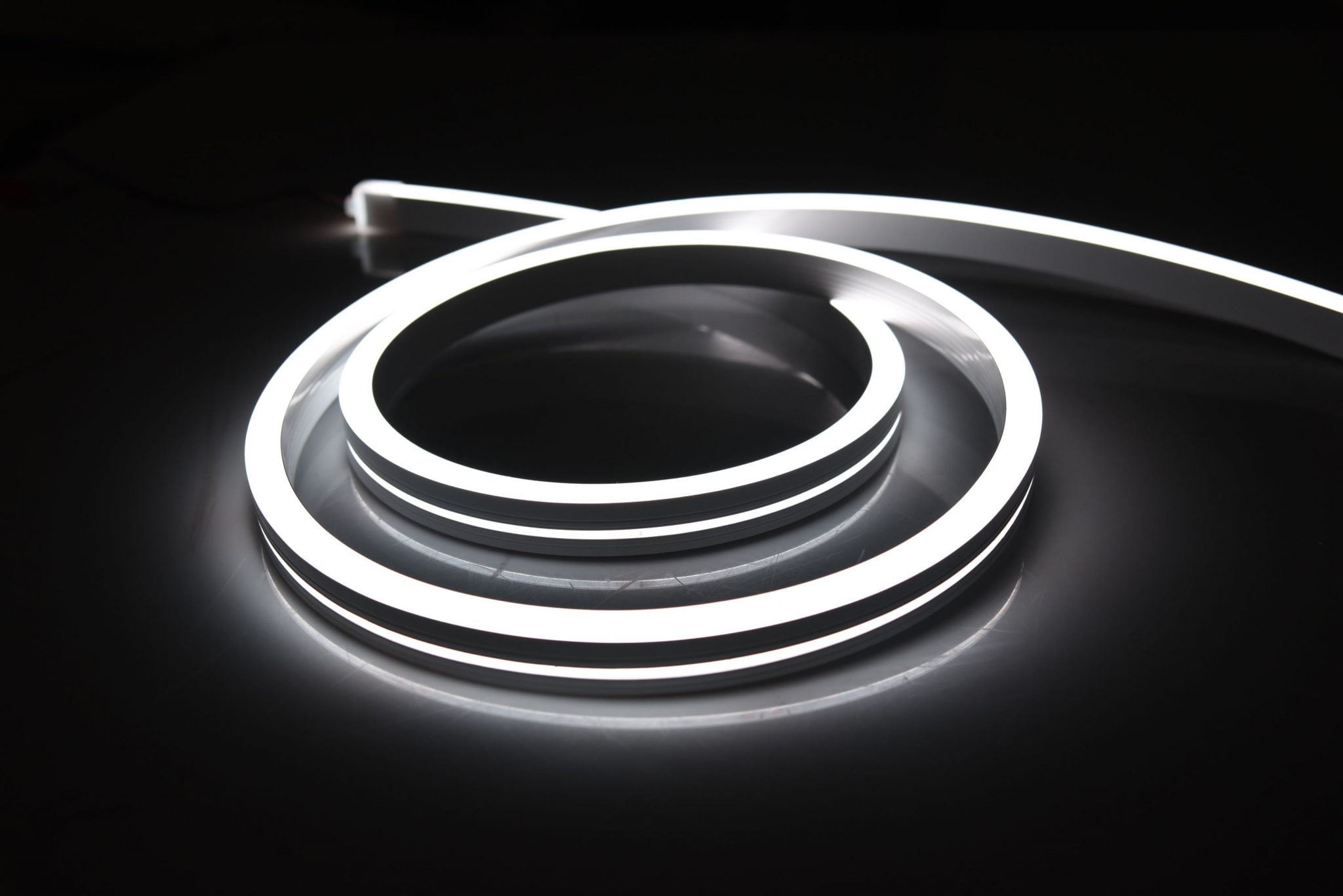
I was unloading a pallet at a client’s shop in Fort Worth last spring when a small crowd gathered just to watch the lighting demo — true story, y’all. In that same demo I showed a neon LED strip and we watched how a simple bend and a dimmer change had customers leaning forward (I still remember that slow nod). The shop owner said sales data spiked: a 22% lift in impulse purchases over two weekends after the install. So here’s the question I keep asking myself and my buyers: why do some installs fail to create that same pull? — and yes, I keep coming back to wiring, finish, and control quirks.

I bring this up because after over 15 years in wholesale lighting and on-site installs, I’ve seen patterns that matter. We track returns, field complaints, and reorder cadence; those numbers tell stories you can’t ignore. What follows is from hands-on installs (a downtown Dallas bar, March 2023), product line tweaks, and direct feedback from retailers. Stick with me — I’ll get into what actually goes wrong and how you can avoid it.
Where Traditional Solutions Fall Short
LED neon lights can look flawless on a spec sheet, but field reality often differs. I’ll be blunt: many failures trace back to three simple things — mismatched power converters, poor IP sealing, and under-specified dimmable controllers. When installers use a generic 12V supply instead of the correct 24V driver, the strip will flicker or overstress the LEDs. That shows up as premature color shift or hot spots within months. In one case I logged, a restaurant in Austin saw color drift after six weeks because the heat sink was effectively blocked by poor mounting choices; returns rose 18% for that SKU.
What typically breaks first?
Technical detail: current drivers and power converters need to match the LED tape’s draw and starting surge. You also need to mind IP rating for any wet-area use. I prefer specifying products with a clear thermal spec and an IP67 option when the install is outdoors or near a hood. Look, I won’t dress this up — many folks skip the spec page and trust a photo; that catches up to you fast. And for wholesalers, that mistake means extra freight, restocking, and unhappy retailers.
New Technology Principles and Picking the Right Strip
Now let’s talk forward. Modern neon-flex designs use silicone encapsulation and segmented current regulation to avoid long-run voltage drop. That principle — distributed regulation — reduces color shift and gives a more even glow along long runs. If you plan an exterior storefront, choose an outdoor LED light strip with a matched 24V constant-voltage supply and a dimmable controller rated for PWM at the same frequency as your LED modules. I’ve recommended this across several chain rollouts; one case in San Antonio (June 2022) slashed field service calls by almost half after we standardized on constant-voltage drivers and sealed connectors — no kidding.
What’s Next for installers and buyers?
Adoption moves in steps: first product selection, then training on connectors and sealing, finally pairing with certified power converters. In practice, that looks like ordering an LED neon flex model with clear thermal specs, keeping spare dimmable controllers on hand, and training staff to test runs with a multimeter before sealing channels. I’m talking about practical sequences you can apply within a week of receiving a pallet. — and yes, small steps can change your return rates materially.
Three evaluation metrics I recommend when you assess a neon or outdoor LED light strip lineup: 1) Electrical match: confirm V and max watt per meter vs. the power converter; 2) Environmental specs: IP rating and operating temp range for the intended location; 3) Serviceability: availability of replacement segments and compatible control modules (this matters when you carry multiple SKUs). We used those exact metrics during a rollout to 12 retail stores in Houston last fall, and reorder stability improved measurably.
I speak from more than a decade and a half on the floor, in warehouses, and at installs. I’ve seen product choices that look good on paper but bleed margin in the field. If you want one practical takeaway: treat spec sheets like contracts. Match voltage, mind the IP, and keep your controller and converters aligned. That will save you time, money, and a lot of back-and-forth with your installers. For reliable supply and clear specs, I often point buyers toward vendors who publish full datasheets and offer tested combos — something I’ve come to rely on in my own kit, like the LD-FR-SJS neon flex family we trialed in Dallas and Austin.
For sourcing or to compare part numbers and mounting options, check with LEDIA Lighting. I’ve worked with their lines in field trials, and they provide consistent documentation that helps me sleep easier at night.