

Introduction
I remember walking onto a busy body shop—weld sparks flying, lads chatting, and that faint chemical tang in the air (proper workplace atmosphere, innit). In many plants, automotive manufacturing welding fume extraction sits somewhere between “a nice-to-have” and “a must-have” — and the numbers back it up: measurements at weld booths often show particulate levels several times higher than recommended occupational limits, with small particles penetrating deep into lungs. So how do we stop that risk without turning the shop into a noisy, over-budget mess?
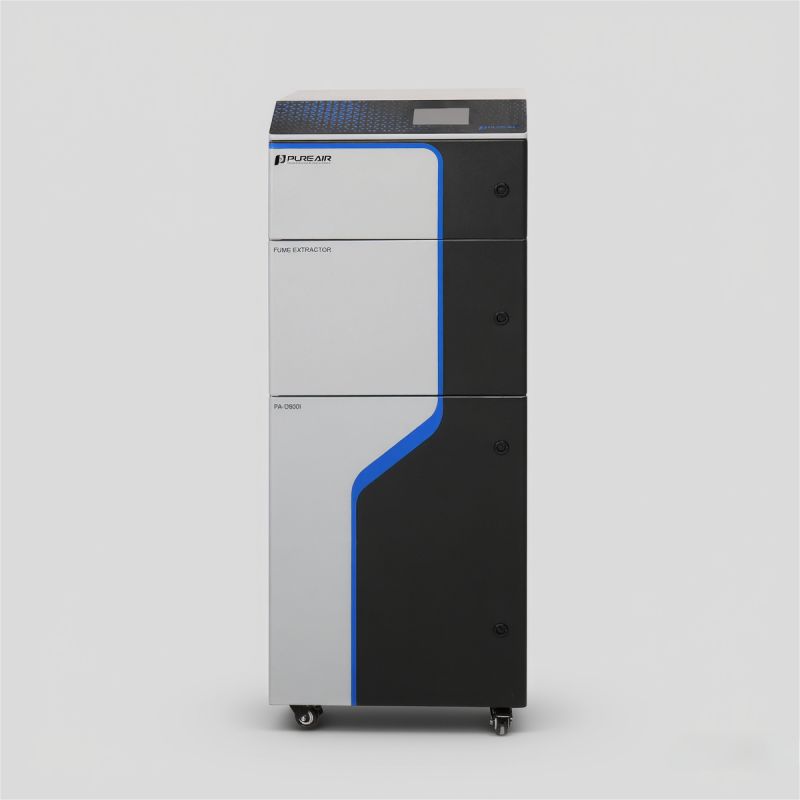
Here’s the scene: production targets pushing teams, limited floor space, and managers juggling budgets—meanwhile welders get exposed to fumes that include metal particulates and ozone. I’ve seen companies try quick fixes that look tidy on paper but fail on the floor. What follows is me sharing what I’ve learned—plain, not pompous—about getting extraction right, from the gear to the human side, and how small choices today save trouble tomorrow. Right, let’s crack on to the nuts and bolts.
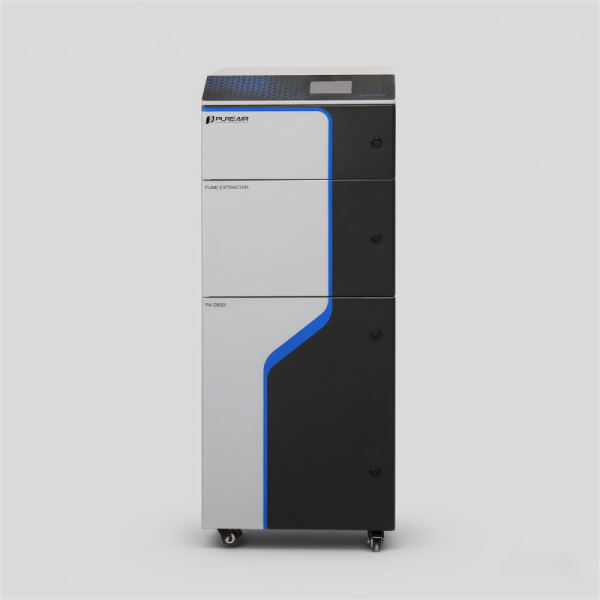
Deep Dive: Flaws and Hidden Pain Around the vehicle exhaust extraction system
Why do standard setups fail?
Technically speaking, most failures come from design and use gaps. I’ve reviewed setups where the vehicle exhaust extraction system was specified on cost alone—undersized ductwork, insufficient capture velocity at the weld gun, and HEPA filters installed as an afterthought. Add poor airflow modeling and you get dead zones where fumes just hang. We talk about capture velocity and local exhaust ventilation, but it’s the real-world layout—tool placement, tethers, and worker habits—that kills performance.
Look, it’s simpler than you think: a fan with the right static pressure but the wrong duct layout is pointless. I’ve seen power converters and variable-speed drives ignored at specification, which means systems run either flat-out or barely moving air. Maintenance is another sore point—filters clogged, gauges unreadable, and no particulate monitoring schedule. Workers then bypass arms or tuck hoses away because systems are awkward or noisy—so compliance drops and exposure rises. These are hidden user pains: lost production time, annoying downtime, and the quiet dread of regulatory fines. We feel that—it’s frustrating and expensive.
Forward View: New Principles for Smarter Extraction
What’s Next?
Moving forward, I recommend a principles-first approach. Start with targeted capture: portable extraction arms and nozzle geometry that match welding methods. Add sensors and local edge computing nodes to monitor flow and particulate in real time (yes, the tech exists and it’s affordable). Integrate variable-speed fans controlled by simple logic so the system scales with activity. We tested setups where automated modulation cut energy use and improved capture—funny how that works, right? And when you design with modular ductwork and accessible filter banks, maintenance stops being a chore.
On tech: smart sensors, predictive maintenance algorithms, and user-friendly interfaces matter. Power converters and VFDs let you match fan curves to demand; particulate monitors feed data to dashboards so supervisors and welders see real numbers, not guesses. I’ve watched teams change behavior once the data was visible—instant buy-in. Implementing these principles can be done in stages; retrofit existing extraction systems rather than rip-and-replace. The goal is practical improvement, not sci-fi overkill.
To pick a system I’d evaluate three key metrics: 1) Capture Effectiveness — measured capture velocity at the weld and verified with smoke testing; 2) Operational Uptime & Maintainability — filter access, spare parts, and ease of cleaning; 3) Real-time Feedback — presence of sensors, data logging, and controls that the shop actually uses. Those three tell you whether a solution works day-to-day. In my view, a smartly designed vehicle exhaust extraction system that scores well here will protect workers and keep production humming.
We’ve learned that people, not just hardware, make these systems succeed. If you want a partner who gets that balance, check the practical options — and when you’re ready, consider suppliers who understand the shop floor. PURE-AIR