


Introduction — why comparison matters now
Procurement teams buying residential battery energy storage systems need a clear map of regulatory differences. This comparative piece contrasts major compliance frameworks and practical implications for buyers working with partners like hithium energy storage. The goal: translate technical and legal differences into sourcing choices that reduce shipment delays, limit certification rework, and protect household safety.

What buyers are comparing
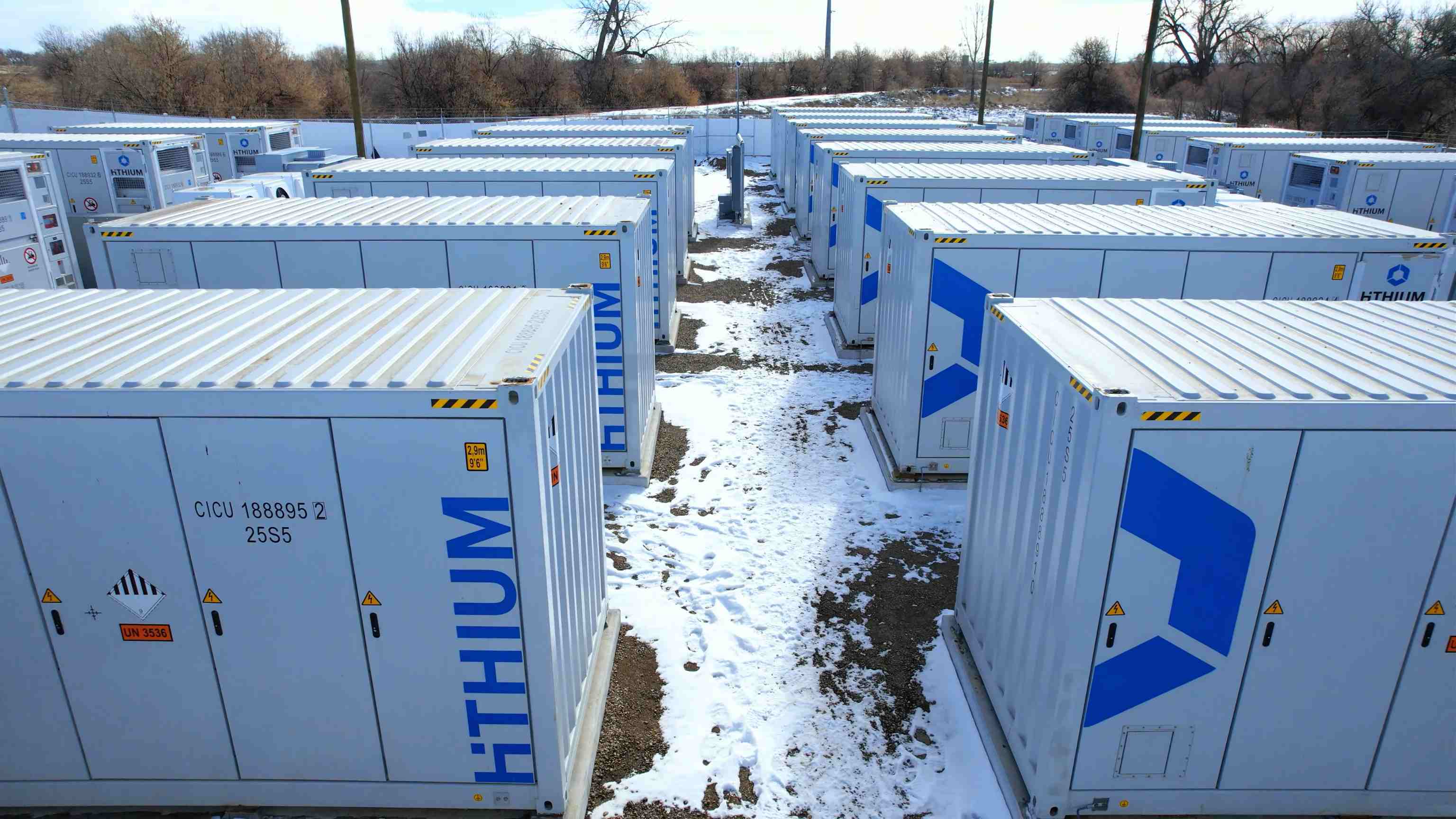
At a high level, comparisons focus on safety certification, transport rules, grid interconnection, and import controls. Manufacturers often test lithium-ion cells to UN 38.3 for transport and seek device-level safety certification such as UL 9540A or IEC 62619 depending on destination. Inverters and the battery management system (BMS) are judged both for performance and for compliance with local electrical codes. These are the axes a procurement team should watch when vetting an energy storage system supplier.
Regional contrasts that change sourcing decisions
United States: Emphasis on UL testing, fire-safety protocols, and local utility interconnection standards. California’s Public Safety Power Shutoffs and aggressive resilience goals have nudged rapid uptake of residential systems and tighter inspection expectations. European Union: CE marking and harmonized standards guide market entry, but member states add grid interconnection specifics and sometimes additional chemical or transport reporting. Asia: Manufacturers may meet high-volume manufacturing standards quickly, but importers must verify conformity documentation and local type approvals. The Hornsdale Power Reserve in South Australia has influenced how operators value fast-response battery services—an example that shapes regulatory focus on system performance as much as on lab certificates.
Common mistakes when navigating cross-border compliance
Buyers often assume a single certification will cover all markets. That assumption causes delays: certifications accepted in one jurisdiction may require different test reports elsewhere. Another error is treating transport paperwork as an afterthought; UN 38.3 failures or missing Dangerous Goods declarations can halt shipments. Finally, overlooking software-level compliance for inverters and BMS—such as anti-islanding logic or telemetry standards—creates integration issues during grid interconnection testing. Procurement teams should demand clear test matrices and firmware escrow arrangements up front.
How suppliers differ in practice
Not all energy storage system supplier offerings are equal. Some provide full type-test packs, factory inspection options, and retained samples for witness testing; others ship product with minimal documentation and expect the buyer to handle local testing. Comparative evaluation should include lead times for recertification, contractual responsibilities for nonconforming product, and support for field commissioning. — A supplier that assists with on-site witness testing can save weeks and prevent costly returns.
Practical checklist for cross-border purchases
Use this checklist as a minimum due-diligence tool:
– Confirm cell-level and module-level reports (UN 38.3, IEC 62619 or equivalent). – Verify system-level fire and thermal runaway assessments (UL 9540A where relevant). – Get written grid interconnection compatibility statements for target markets. – Validate documentation for customs, including HS codes and any import licensing. – Ensure supplier provides firmware change logs and BMS test evidence.
Three golden rules for evaluation
Advisory: select suppliers based on three critical metrics—document completeness, field support responsiveness, and recertification agility. First, demand a complete test dossier before purchase. Second, confirm response SLAs for deployment issues. Third, assess how quickly the supplier will support re-testing if national regulators request additional evidence. These rules steer decisions toward lower operational risk and clearer timelines.
Conclusion and practical value
Comparing frameworks is not an academic exercise; it is procurement risk management. Buyers who align specifications with regional standards, plan for transport and customs, and choose partners prepared to support field testing will reduce time to operation and cut hidden costs. For teams assembling global portfolios, practical support from a manufacturer—documentation, testing, and commissioning—matters as much as price. HiTHIUM can play that pragmatic role in sourcing and compliance — a partner that brings test packs and field experience together. —