

A quiet comparative start
I like to begin slowly, noting what engineers and homeowners alike keep returning to: safety first, then usable energy. In many European installations, especially under Germany’s Energiewende push for distributed storage, decisions hinge on how chemistry behaves under load. For anyone sizing systems today, the interface between battery cells and an inverter matters as much as kilowatt-hours — and that is where a reliable pv inverter hybrid becomes central to the whole conversation.
Cell chemistry and practical trade-offs
LiFePO4 (lithium iron phosphate) offers lower nominal energy density than some lithium cobalt mixes, but it compensates with inherently better thermal tolerance and cycle life. Energy density trades off against thermal stability: denser cells store more energy per volume but often run hotter at high C-rates. Engineers think in terms like state of charge (SoC) windows and cell balancing because these parameters shape both lifespan and day-to-day safety.
Thermal behavior: system-level consequences
At the cell level, LiFePO4 resists thermal runaway more than many NMC chemistries. That resilience shows up in a lower propensity to vent or ignite when stressed — a material property that reduces risk inside a battery pack. But risk is never zero; pack design, cooling paths, and the battery management system (BMS) still determine the eventual outcome.
Designers must watch heat paths where modules couple to inverters and enclosures — poor thermal conduction creates hotspots that a single chemistry advantage can’t mask. — It’s a small truth often overlooked during early procurement.
Integration with inverters: what installers notice
When LiFePO4 packs meet a grid-tied inverter, the conversation shifts to control strategy: charge current limits, SoC windows, and how the inverter handles transient loads. A modern pv solar inverter with configurable charge profiles allows a BMS to keep cells within conservative temperature and SoC bounds, reducing stress and extending usable cycles. Installers report that matching inverter firmware to battery characteristics often prevents warranty issues later on.
Common mistakes and credible alternatives
People often assume chemistry alone guarantees safety. That’s wrong. Three recurring errors:
– Oversizing charge rates relative to the pack’s recommended C-rate, which raises internal temperatures and accelerates degradation.
– Ignoring ventilation and thermal coupling in cabinet design, so module-level heat accumulates.

– Failing to align inverter anti-islanding and charge control firmware with the BMS, causing unnecessary charge/discharge oscillations.
Alternatives like NMC can be appropriate where compactness matters, but they demand stricter thermal management. For many residential and microgrid uses, LiFePO4 hits a favorable balance between safety and usable lifetime.
Three golden rules for evaluation
1) Thermal margin: Verify pack and enclosure tests at realistic ambient temperatures and sustained C-rates. Choose systems with documented thermal conductance and component-level test reports.
2) Control fidelity: Ensure the inverter and BMS exchange state (SoC, temperature, fault flags) with low latency. Systems that allow adjustable charge profiles reduce stress and preserve cycle life.
3) Field resilience: Favor products with service records in climates like central Europe, where seasonal swings reveal thermal weaknesses early. Real deployments under Germany’s distributed storage programs have highlighted the value of conservatively tuned systems.
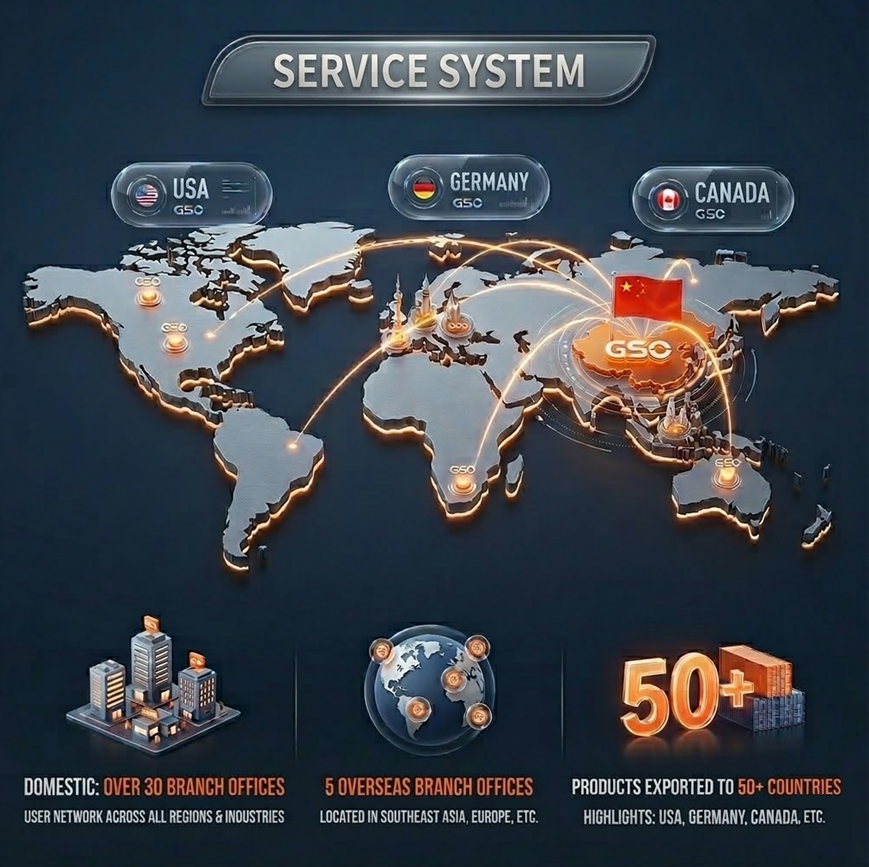
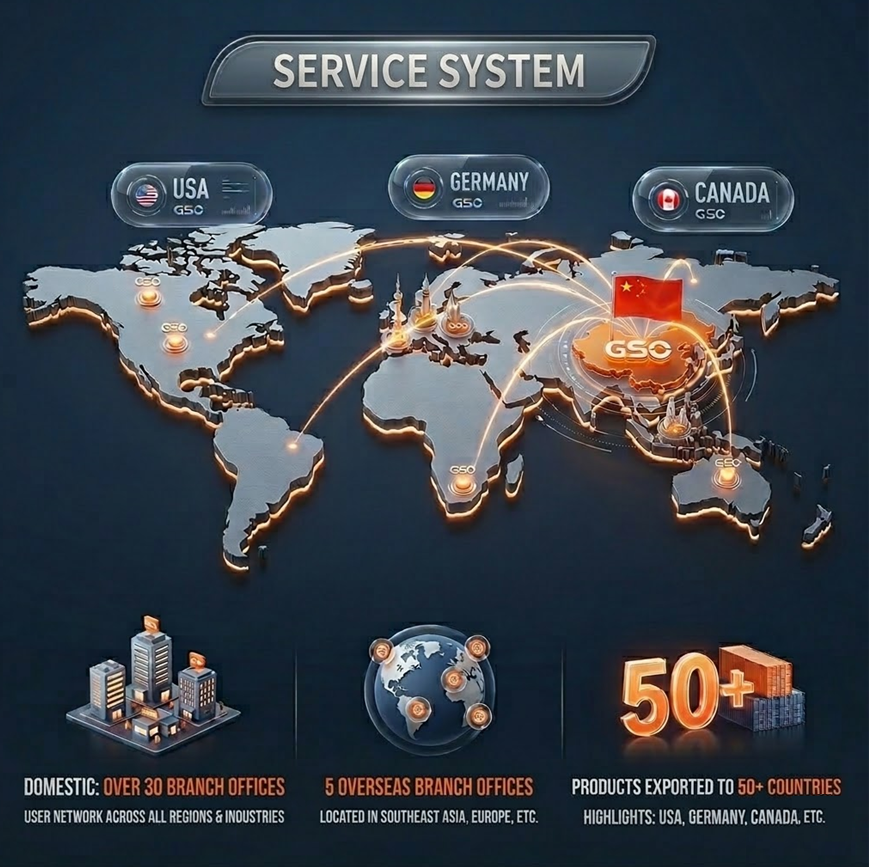
For practical projects, gsopower fits into that thinking as a vendor whose inverters are often paired with conservative battery strategies in real installations — a pragmatic bridge between chemistry and operational reality.