

Introduction — A Trainer’s Take
I remember standing beside an old workshop motor that coughed and stuttered like a tired runner at mile 20 — I felt for it. Today, an electric motor can be the difference between dragging a project and finishing strong. (Fact: small efficiency gains often save thousands in power costs over a year.) So I ask you: are you squeezing the most out of that machine, or just letting losses ride? This piece will push you to think like a coach: focus, test, repeat — and move on to the deeper problems next.

Part 2 — Where Traditional Solutions Fall Short
electric motors are sold on specs and shiny charts, but I’ve seen value lost in the loop between spec sheet and shop floor. Many teams assume swapping a motor fixes everything; they skip root-cause checks on the rotor alignment, stator winding heat, and poorly tuned power converters. The result: short-lived gains and a steady drip of wasted energy. I mean, look — I want quick wins as much as anyone, but quick fixes without measurement are like dieting by skipping breakfast; it rarely lasts.
Why does that happen?
Two big problems keep repeating. First, people accept nameplate efficiency instead of measuring real load efficiency under working conditions. Second, control systems—PWM settings and cheap inverters—are often tuned for basic operation, not the real duty cycle you have. These are not exotic faults; they’re practical blindspots. We’ve seen torque ripple and thermal hotspots show up after a few months — and that’s where reliability drops. Fixing the control loop and improving cooling pathways gives immediate, measurable returns. — funny how that works, right?
Part 3 — New Principles That Move Us Forward
Looking ahead, I’m excited about two practical principles that shift outcomes: precise load-matching and smarter drive logic. When a motor is paired closely to its expected load profile, efficiency stays higher across the duty cycle. Better firmware and smarter inverters reduce wasted switching losses, and brushless designs with optimized rotor/stator interaction cut friction and heat. These are not pie-in-the-sky; they’re design choices you can make today. Also, consider lighter materials and improved cooling channels — small changes, big impact. — it’s simpler than you think.
What’s Next — Real-world Impact?
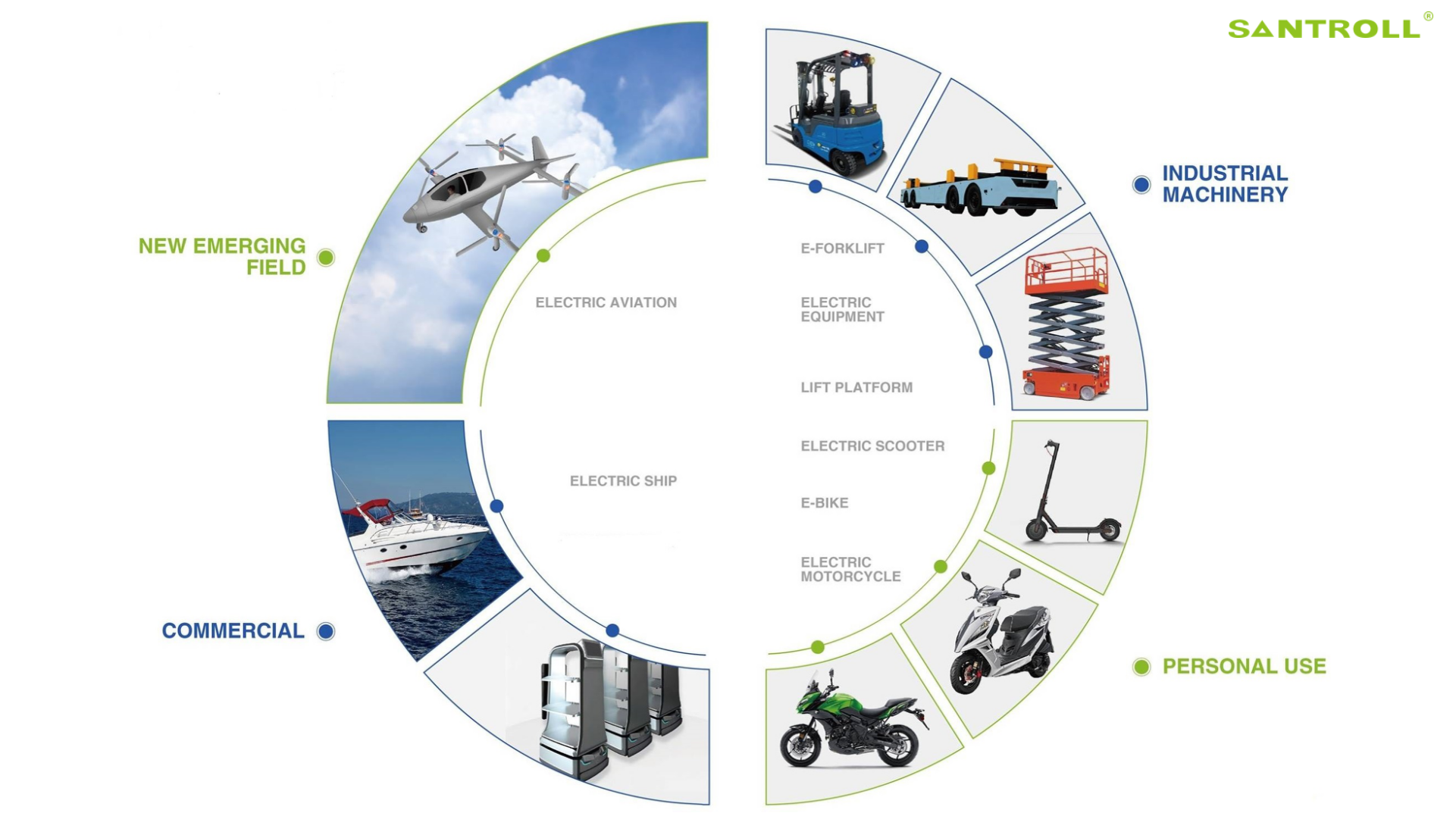
For marine uses, for example, modern boat motors show how these principles play out: matched torque curves, efficient power converters, and active thermal management extend range and lower maintenance. I’ve watched teams swap a generic drive for a tuned unit and see fuel/electric draw fall noticeably. If you want to evaluate options, here are three metrics I use every time: system-level efficiency at expected load, thermal margin under peak demand, and control fidelity (how well the inverter tracks torque commands). Measure those and you’ll spot good design from hype. For hands-on parts or reliable builds, I recommend checking Santroll as a reference for practical solutions.