
Introduction: A Prep-Table View of Your Packaging
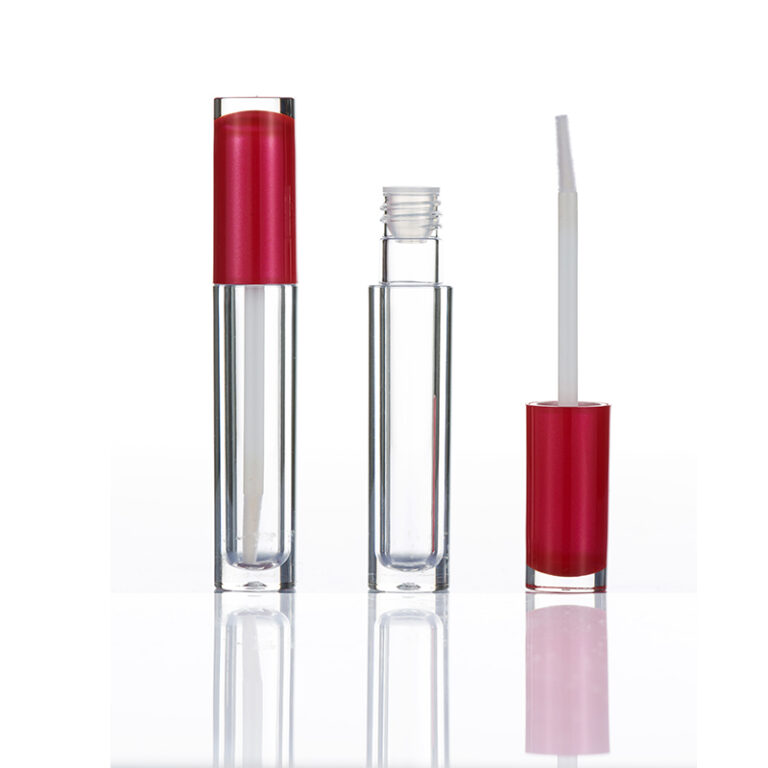
A small brand founder stood over a bench like a chef at service. Samples lined up, shades swatched, and a launch date looming. Your lip gloss tube manufacturer makes the vessel; your color is the recipe. In trials like these, teams often see numbers they don’t expect: 1–3% leak returns, tiny shade drift after UV exposure, and wobbly applicators that change the “mouthfeel” on lips. That is not drama. That is data. And it changes how a formula wears, how a launch lands, and how a budget holds—funny how that works, right? We can map each hiccup back to process choices: resin blend, injection molding setup, wall thickness, or torque spec on the cap. The pattern is the same as in a kitchen (mise en place matters). When a step is off, guests taste it.
So here’s the big question: Do your tubes support the product you designed, or do they quietly rewrite it? Let’s set the table for a fair comparison.
Hidden User Pain Points: Why Custom Still Breaks in the Real World
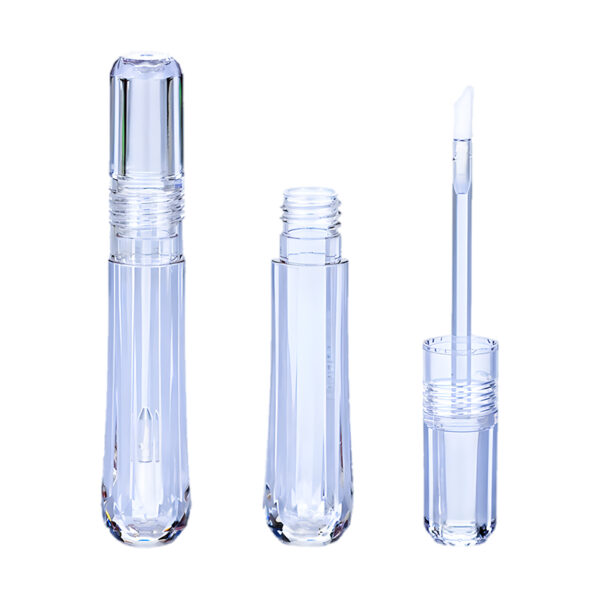
Here’s the hard truth. Custom is not a cure; it is a tool. A custom lip gloss tubes manufacturer can tune a tube like a chef tunes heat, but the pain points hide in the details you don’t see. Thread profile that doesn’t match the wiper. Resin shrinkage that changes inner diameter by a hair. A doe-foot with uneven flocking that drags too much formula. These are small cuts, but they add up to lost time and returns. Look, it’s simpler than you think: if the torque window is wide, caps loosen in transit; if Cpk on neck finish wavers, leak tests fail; if PCR resin isn’t blended right, brittleness rises in cold-chain freight.
Why do “standard” tubes still fail?
Because “standard” assumes your formula is, too. High oils shift seal behavior. Pearlescent pigments scuff under low-grade wipers. Hot-fill or warm-fill changes headspace and back-pressure. Traditional fixes—thicker walls, tighter wipers, more QC—sound safe but create new issues: heavy squeeze force, streaky laydown, slow cycle time that pushes lead times out. And MOQs swell while you wait. Meanwhile, color teams fight micro-oxidation that nudges delta E over your target after life-testing. The end user feels all of this as drag, mess, or fade. They don’t name the part; they just stop buying. That’s the quiet cost.
Comparative Insight: New Principles That Reduce Risk
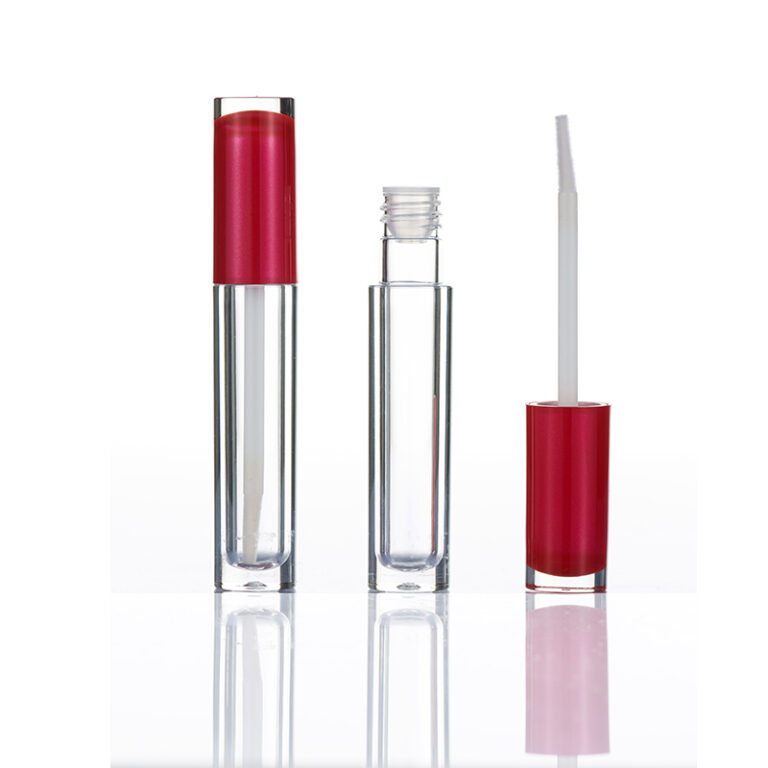
Forward-looking vendors are changing the playbook. The best comparison isn’t price-per-piece; it’s process-per-piece. Next-gen lines use in-line vision to verify orifice size, wiper fit, and insert depth. Some apply ultrasonic seal testing, so micro-leaks don’t sneak past AQL. Others simulate resin flow with digital twins to predict gate vestige and wall variation before steel is cut—this alone can cut retool rounds by half. When you stack options from different lip gloss tube manufacturers, you see it fast: one treats PCR as an afterthought, another engineers a PCR/PP blend that keeps toughness in cold drop tests. One relies on manual torque checks, another locks it with SPC and traceable torque curves. Different kitchens, different outcomes.
What’s Next
New coatings and wipers are part of the shift, too. UV-cured exterior coats raise scuff resistance without making tubes feel waxy. Low-friction wipers improve glide for shimmer-heavy formulas. Anodized aluminum collars avoid galvanic stain around high-acid blends. And labeling moves with the times: laser marks that survive alcohol wipe-downs, and color management that ties Pantone targets to in-line spectro checks. This is not “nice to have.” It is how you keep flavor—your formula—true on lips and true on shelf. For brands that pilot these systems, leak rates drop below 0.3%, and complaints about drag fall off. The math feeds back into margin—because rework and returns are the real seasoning on cost, whether we admit it or not.
So, how do you choose in plain terms? First, demand measurable fit: torque window, wiper interference, and verified seal integrity on your actual fill (not water). Second, check process control: Cpk on neck and thread, vision checks on orifice and insert, and a clear leak-test method. Third, align on materials: PCR percentage with a brittleness study, chemical compatibility data, and life-test results for heat, cold, and UV. Advisory, not hype—because the right tube should vanish in the hand and let the formula shine. Keep comparing methods, not just quotes. The result tastes better on launch day—fewer surprises, calmer ops, and a cleaner read on what your color can do. And if you want a quiet benchmark to start the tasting, see NAVI Packaging.