

Introduction: The Hybrid Equation Riders Often Miss
Here’s the core idea: a sport cruiser blends two jobs—long-haul ease and quick corner speed—without asking you to choose. A sports cruiser motorcycle is built to bridge touring comfort with sport-bike response. Picture a weekday commute with stop‑and‑go, then a weekend run through sweepers. Data says midweight machines dominate growth, and average torque peaks lower than pure sport models, yet rider confidence rises thanks to upright ergonomics and stable wheelbases. But does this combo truly deliver when you ride hard or ride long? In real life, small details like rake and trail, torque curve shape, and ECU mapping decide if your wrists ache or your grin lasts the whole tank. That tension—comfort versus control—sets the stage for smarter choices (and fewer regrets).
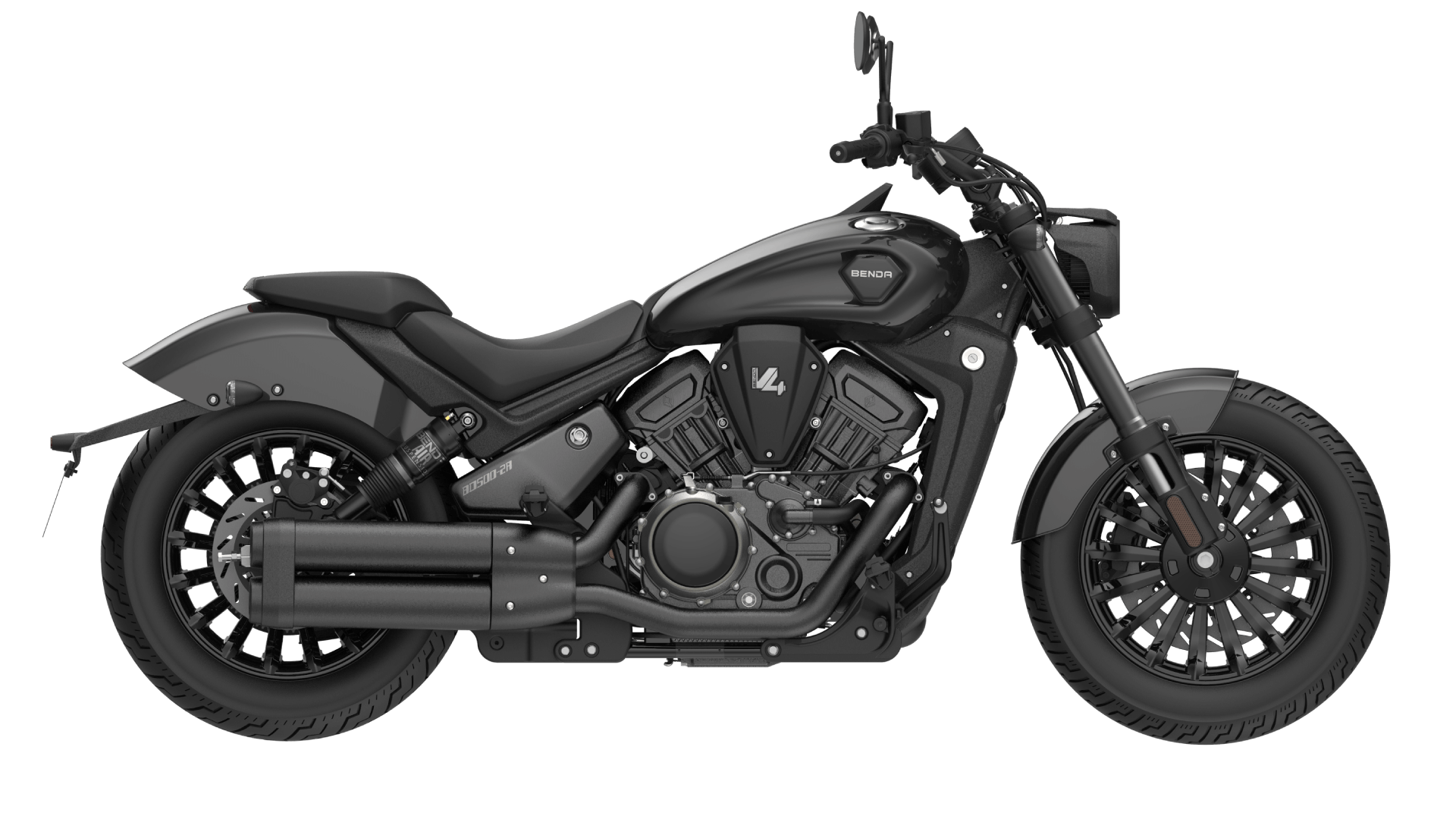
So, which moves actually matter when you’re judging the balance of power, weight, and ergonomics? Let’s unpack what holds riders back—and how to beat it.

Where Traditional Choices Fall Short
Where do riders actually feel the difference?
Legacy thinking says: pick a cruiser for comfort and a sport bike for speed. Look, it’s simpler than you think—and also wrong in key ways. Most riders don’t ride tracks; they ride mixed terrain. Traditional cruisers keep low seat heights, but they often dull mid-corner feedback. You feel it as vague steering or late turn-in. On the flip side, pure sport setups pile stress on wrists and neck during long highway stints. Neither solves the real daily problem: transitions. Think on-ramps, quick lane moves, and uneven surfaces. That is where geometry and damping, not just peak horsepower, pay off.
Hidden pain points show up in the torque curve and gear ratios. If torque spikes too high in the rev range, city riding becomes jerky. If the first two ratios are tall, low-speed control suffers. Add in soft rear preload and you get squat under throttle—steering gets lazy. By contrast, a well-tuned sports cruiser uses a neutral rake and trail, a steady midrange, and a slipper clutch to smooth downshifts. ABS and traction control help, but feel still matters—how the throttle maps, how the fork compression damping holds under braking, how the swingarm resists flex. Miss those, and you’ll chase upgrades that never quite fix the baseline.
Next-Gen Principles: How Tech Closes the Gap
What’s Next
Forward-looking sports cruisers use new control layers to keep the ride calm and quick. Ride‑by‑wire throttle lets engineers shape delivery by mode: Rain, Street, Sport. That changes more than power; it tempers throttle sensitivity at low RPM, which is gold in traffic. Cornering ABS uses IMU inputs to modulate brake pressure as lean angle changes—funny how that works, right?—so mid-corner stability holds when you trail brake. Inverted forks with adjustable rebound and compression keep the front planted on choppy pavement. A stiffer swingarm and balanced wheelbase improve turn‑in without twitch. The net effect is confidence that scales with pace. You don’t wrestle the bike; you guide it.
If you’re scanning a sports cruiser for sale, read beyond the spec sheet headline. Look for a flat midrange, smooth ECU mapping, and a power‑to‑weight ratio that doesn’t punish new riders but still rewards skill. Check for multi-level traction control, a slipper clutch for clean corner entries, and preload adjusters you can actually reach. Small wins stack up—less arm pump, more line accuracy, cleaner exits. And yes, you’ll feel it.
How to Choose Smart: 3 Metrics That Matter
Here’s the takeaway, with a practical lens and a forward tilt. First, evaluate control, not just power: measure how ride‑by‑wire, traction control, and cornering ABS work together; test throttle smoothness at parking‑lot speeds. Second, verify handling baselines: confirm rake and trail numbers, wheelbase, and suspension adjustability; do a quick sag setup to see if preload range fits your weight. Third, check real-world gearing and torque curve: look for a usable midrange and sensible first and second gear; aim for easy roll‑on from 3,000–6,000 rpm. These three metrics tie to daily outcomes—clean merges, stable braking, and less fatigue. Compare them across models, then ride the same loop for each. Advisory note: keep notes on feel, not just numbers—because your hands don’t lie when the road changes. That’s how comparative insight turns into better miles and fewer surprises. For more context and model literacy, start with BENDA.