

Introduction — a lab bench memory
I remember standing at a cluttered bench, pipette in hand, watching a row of tubes like they were little worry beads. Back then we tried every twist and tweak to speed things up; today I still watch teams lean on automated nucleic acid extraction to cut mistakes and hours (we logged a 40% time drop in one run once). The scene is familiar: sample stacks, a gentle hum from a machine, and a clock that never seems to slow. What keeps labs stuck on clunky steps when simpler workflows often work better? — and why does that matter for the result and the people running the tests?
Part 1 — Where the old ways snag real users
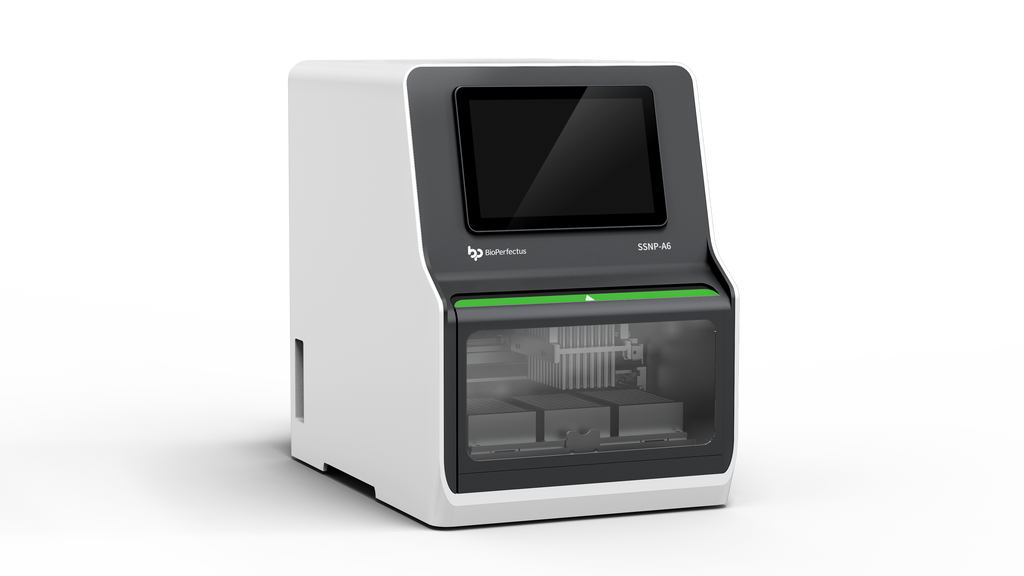
Let me be blunt: the tools we once trusted often force choices nobody wants to make. Take the automated dna extraction machine that sits in many rooms. It looks like a promise, but underneath, legacy protocols—manual transfers, complex reagent setups, long run times—create hidden work. Magnetic beads clump when things are rushed. Lysis buffer volumes get misread. Microplate alignment trips up an otherwise steady tech. These are not fancy problems; they are daily, human ones. Look, it’s simpler than you think—small points of friction multiply into long waits and stress.
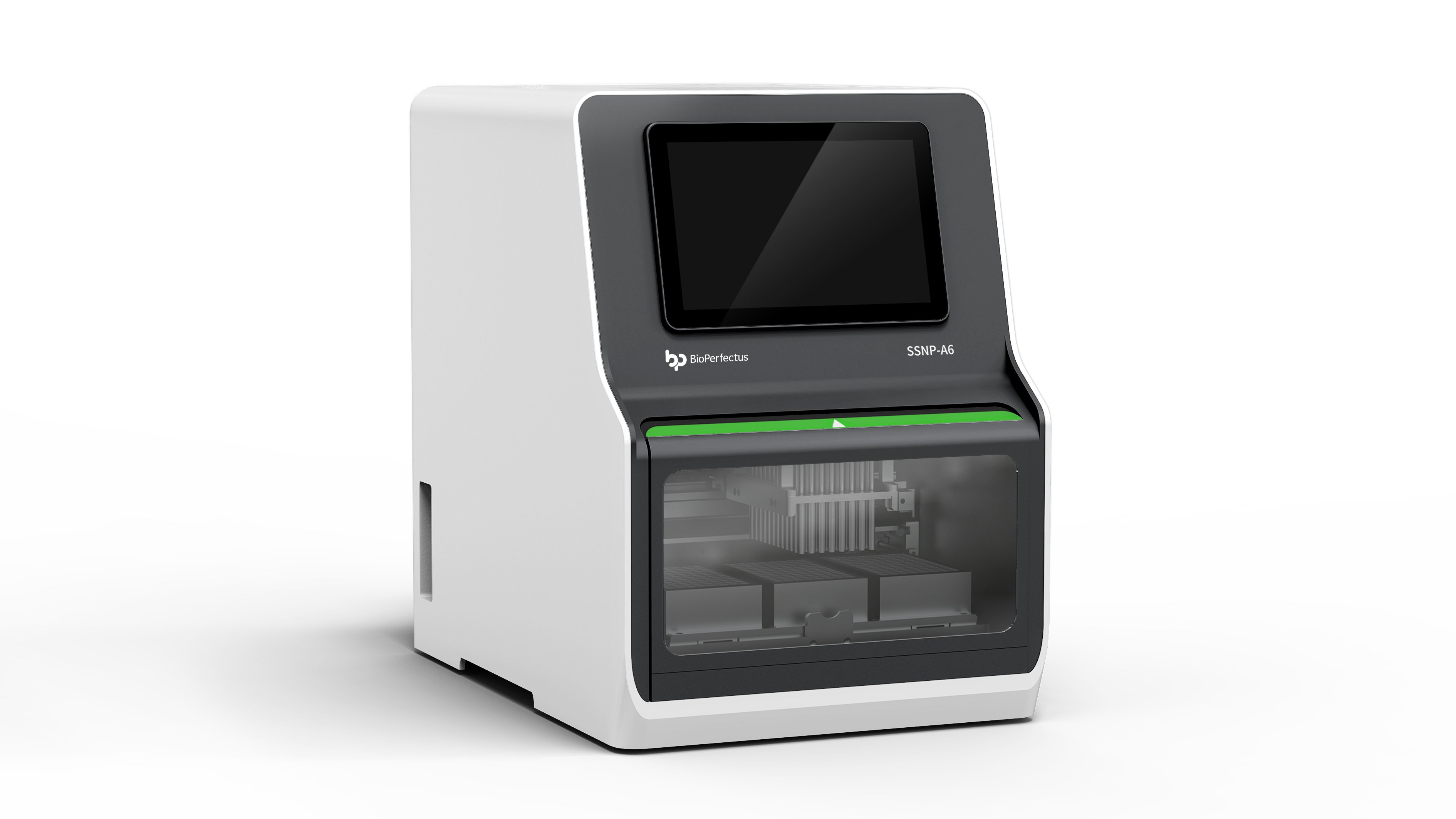
In plain terms: throughput drops when setups are finicky. Hands-on time rises. Error rates creep up. I’ve seen groups trade speed for reliability and end up with both diminished. The real pain is not a missing feature but the mismatch between what a machine promises and what teams can run consistently. That gap hits thin-staffed labs hardest. We forget that a procedure that looks efficient on paper can be brutal in practice—especially when samples are urgent, or when staff are stretched thin. Why accept that? It’s worth asking.
So what breaks first?
Part 2 — Principles that turn the tide (and what to look for)
When I look ahead, I focus on a few simple principles that really change daily life at the bench. First, reduce touchpoints: fewer manual transfers means fewer mistakes. Second, standardize reagents and consumables—less guesswork. Third, build clear feedback into machines so techs know when a step failed and why. Modern designs on some automated dna extraction machine models embrace these ideas with smarter reagent racks, error flags, and modular workflows. Microfluidics and improved software make flows steadier. It sounds technical, but the payoff is simpler shifts and less midnight worry — funny how that works, right?
Compare two labs: one clings to a multi-step manual prep, the other adopts a streamlined system that drops hand steps by half. The second lab wins on repeatability and morale. We must judge systems not by gadget count but by how they ease real work. To that end, here are three straightforward metrics I use—quick, honest checks when we evaluate options: 1) Hands-on time per run; 2) Failure rate or re-run frequency under normal load; 3) Consumable cost and setup complexity. Measure those, and you get the truth behind glossy specs. I like to say: test with your daily case mix, not just ideal samples. Try a run at 2 a.m. if you must—because that’s when things show their real face.
Choosing with clear eyes
Closing advice — three practical metrics and one small thought
Here are those three key evaluation metrics again, framed as a checklist I give to teams: 1) Hands-on minutes per sample (lower means less room for error); 2) Re-run rate under real workload (watch for hidden costs); 3) Consumable and maintenance burden (can your staff patch things, or do you need a specialist each time?). Use them together. Don’t be seduced by speed alone. A fast run that fails half the time is worse than a steady run that finishes on time. If you ask me, the best systems are the ones that let technicians do their work calmly, without firefighting.
I’ve been around enough benches to know this: simplicity isn’t a loss of capability. It’s a gain in trust, repeatability, and peace of mind. So look for solutions that respect the human side of testing. We owe that to our teams and to every sample that waits. For labs weighing options today, a practical demo with your staff tells you more than pages of specs. And if you want to explore models that follow these principles, check out BPLabLine — I’ve seen setups that make life easier, plain and simple.