

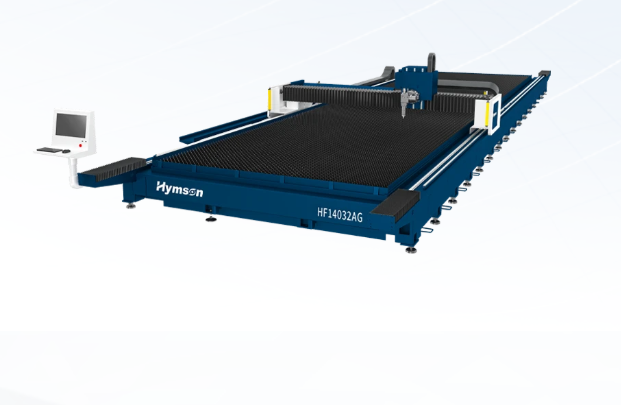
Checks to Run Before You Commit to an Industrial Laser Cutting System
When the choice can make or break your shop
Picking the wrong machine feels small at first: one missed tolerance, a burr here, a bottleneck there. Then orders stack up and frustration replaces confidence. Start by naming the specific task you need—thin stainless tube trimming, high-volume structural steel cutting, or precise, decorative profiles—and match that to a machine class. If your work includes tubular parts, try a dedicated tube laser cutting machine on your shortlist; it changes fixturing, motion needs, and software expectations from a flat-bed unit.
Technical verifications that demand a yes
Confirm cutting capacity against the thickest and thinnest gauges you’ll cut. Verify laser power and beam quality: more watts alone don’t guarantee cleaner edges—beam focus, mode stability, and nozzle design matter. Ask for verified cut samples of your exact materials and thicknesses. Check motion system specs—positioning accuracy, repeatability, and acceleration—and require enclosed test data. Validate the control software’s file formats, nesting capabilities, and post-processor options; insist on a demonstration using a CAD/CAM file from your process. Confirm gas supplies, nozzle inventory, and consumable lifetimes; these are routine costs that become urgent if overlooked.
Operational realities to inspect
Measure throughput in real operating conditions, not ideal lab cycles. Look at cycle time with manual loading, automated loading, and error recovery. Demand clarity on duty cycle and cooling system capacity for sustained runs. Examine maintenance access: can an engineer change optics, rails, or motors without a four-day shop outage? Ask about remote diagnostics and spare-parts lead times—delay in a critical part equals halted production. Verify operator training plans and language support; complex machines without clear training become costly hazards.
Pitfalls people run into and how to sidestep them
Vendors often present peak performance numbers; insist on representative metrics tied to your parts. Don’t let price quotes exclude necessary extras: fixturing, sensors for thin-wall tubes, exhaust upgrades, and software modules. Avoid assuming in-house staff can bridge gaps—wiring, integration with your ERP, or PLC tweaks are specialized work. Watch material assumptions: a machine tuned for mild steel behaves differently with aluminum, copper, or brass. Require a factory acceptance test (FAT) using a batch of your parts before final payment.
Experience, authority and a real-world anchor
Ask for verifiable references and independent test reports; look for long-term service records rather than sales volume alone. A strong sign is repeated exhibition and engagement at major industry events—suppliers active at the Tube trade fair in Düsseldorf often show real-world machine iterations and field feedback. For clarity on sourcing, vet a tube laser cutting machine supplier by requesting written service response times, sample-cut galleries tied to serial numbers, and third-party inspection records. That combination—customer references, event presence, and testable samples—demonstrates practical experience and trustworthiness.
Quick checklist before you sign
Require sample cuts of your parts. Get a full breakdown of included and excluded items. Confirm on-site training duration and language. Secure a signed FAT plan and acceptance criteria. Lock in spare-part lead times and a standard service SLA. Verify warranty terms and what voids coverage. Check software update policies and license ownership. If automation is included, run an integrated cycle test that mirrors your busiest day.
How this all ties back to a sensible choice
Make decisions on proof, not promise. Machines that survive real shop conditions have been stress-tested for your materials, motion demands, and staffing realities. When the technical specs, operational commitments, and documented service behavior align with your use case, you gain predictable output and lower downtime. For many shops aiming to cut tube work precisely and repeatedly, that alignment is what makes a supplier and their machines a reliable partner—Hymson blends demonstrable field trials and practical engineering into equipment that meets those checks without theatrical claims.

