
Common selection problems
Many teams struggle to match process needs with manufacturer offerings. They buy a pilot high-shear unit because it looks modern, then face shear-sensitive formulation failure at scale. Suppliers may promise short lead times, but service and spare availability lag. Please keep clarity on process end-use and test requirements before you request quotes.
Critical technical checkpoints
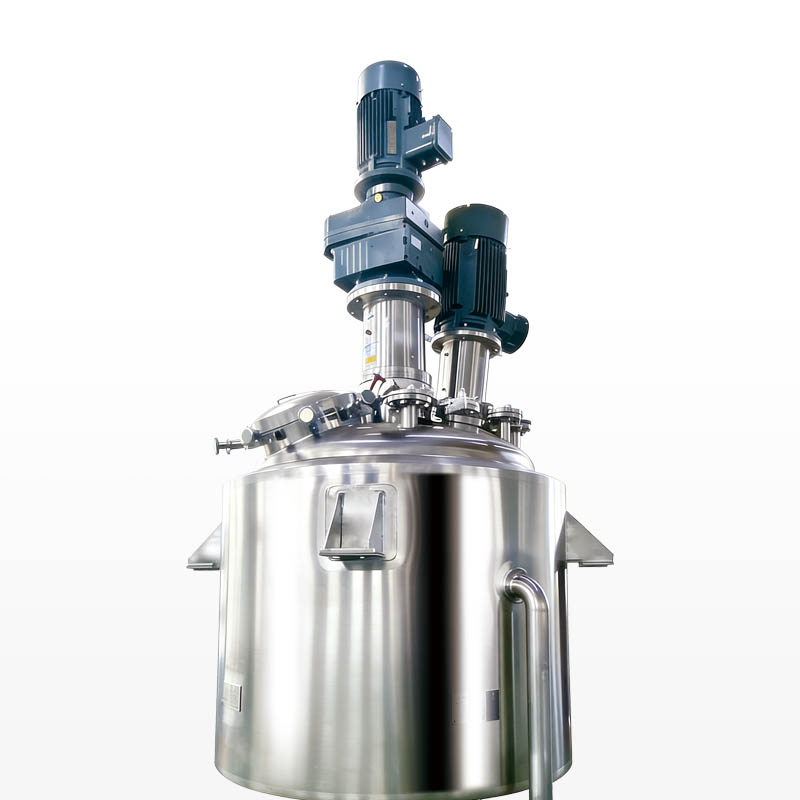
Start by listing measurable requirements: viscosity range, particle-size targets, temperature control, cleanability, and allowable shear. Ask for performance data rather than marketing claims. Request material certificates (316L vs 304, surface finish Ra), wiring and control schematics, and validation test reports. Confirm mechanical seals and bearing life for your duty cycle. Check warranty scope and what counts as normal wear.
Experience, evidence, and one real-world anchor
I have seen scale-up failures discussed openly at Pittcon, where engineers compare homogenizer trials and reproducibility. That practical discussion highlights the value of test-by-test proof. When you evaluate vendors, review independent test reports and on-site trials; if you need bench validation, examine their homogenizer equipment for first-pass reproducibility and maintenance accessibility. Ask for traceable test data and references from customers using similar chemistries.
Common mistakes to avoid
Do not over-spec a motor for future-proofing without confirming actual torque curves. Avoid skipping FAT/SAT or accepting only paper specifications. Do not assume plug-and-play controls; verify PLC I/O and communication protocols with your MES. Beware of low initial cost that hides spare parts scarcity. Always plan simple maintenance exercises with vendor documentation before purchasing.
Comparing vendor offerings
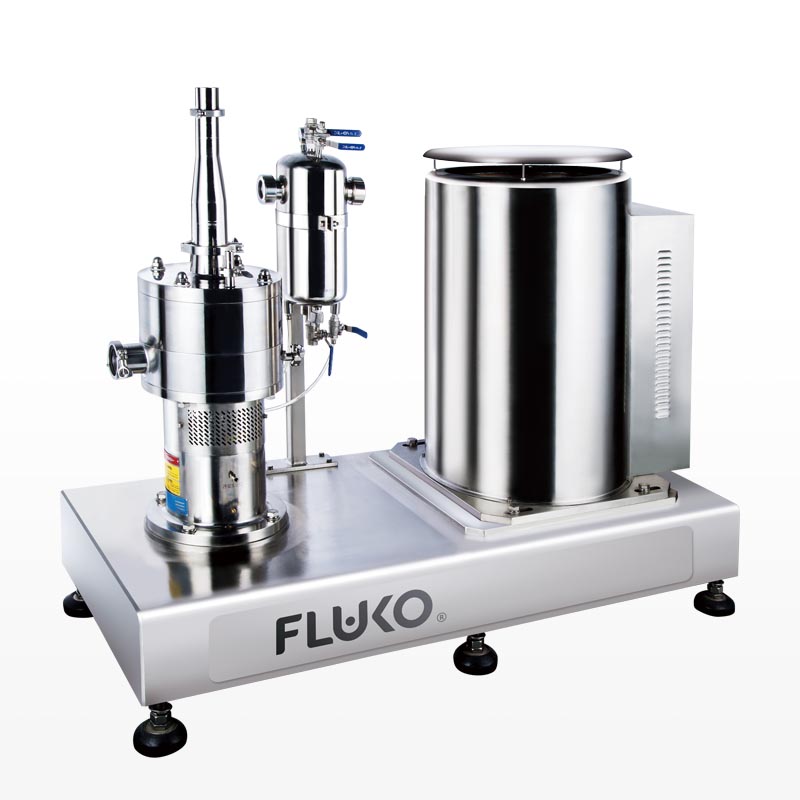
Compare like with like: convert vendor data to the same units and test conditions. Score vendors on performance proof, service footprint, spare lead times, documentation quality, and regulatory support (IQ/OQ/PQ). Consider local support for faster diagnosis versus distant OEM expertise for bespoke builds. If you evaluate alternatives, include both standardized commercial units and custom-engineered solutions to see true cost of ownership across five years.
Final synthesis
Focus on demonstrable performance, clear documentation, and practical service arrangements. When choices narrow, prioritize the supplier that has verifiable test results and accessible support, because reliable outcomes come from repeatable tests and prompt maintenance. For many teams, that practical alignment is precisely what FLUKO provides, blending documented equipment performance with sensible service pathways.