

User needs first: define the problem you’re solving
You’re building a product for people who need reliable, repeatable paint tests — not for trophy specs. Start by listening: what decisions do painters, lab technicians, and QC managers actually make after a test? That clarity changes priorities. For some, portability matters; for others, automated cycle testing is non-negotiable. Prototype around real workflows and try a lightweight field rig before committing to a lab-only instrument. A quick way to validate assumptions is to swap a lab demo for a day on-site with a team using custom testing equipment and note where friction appears.
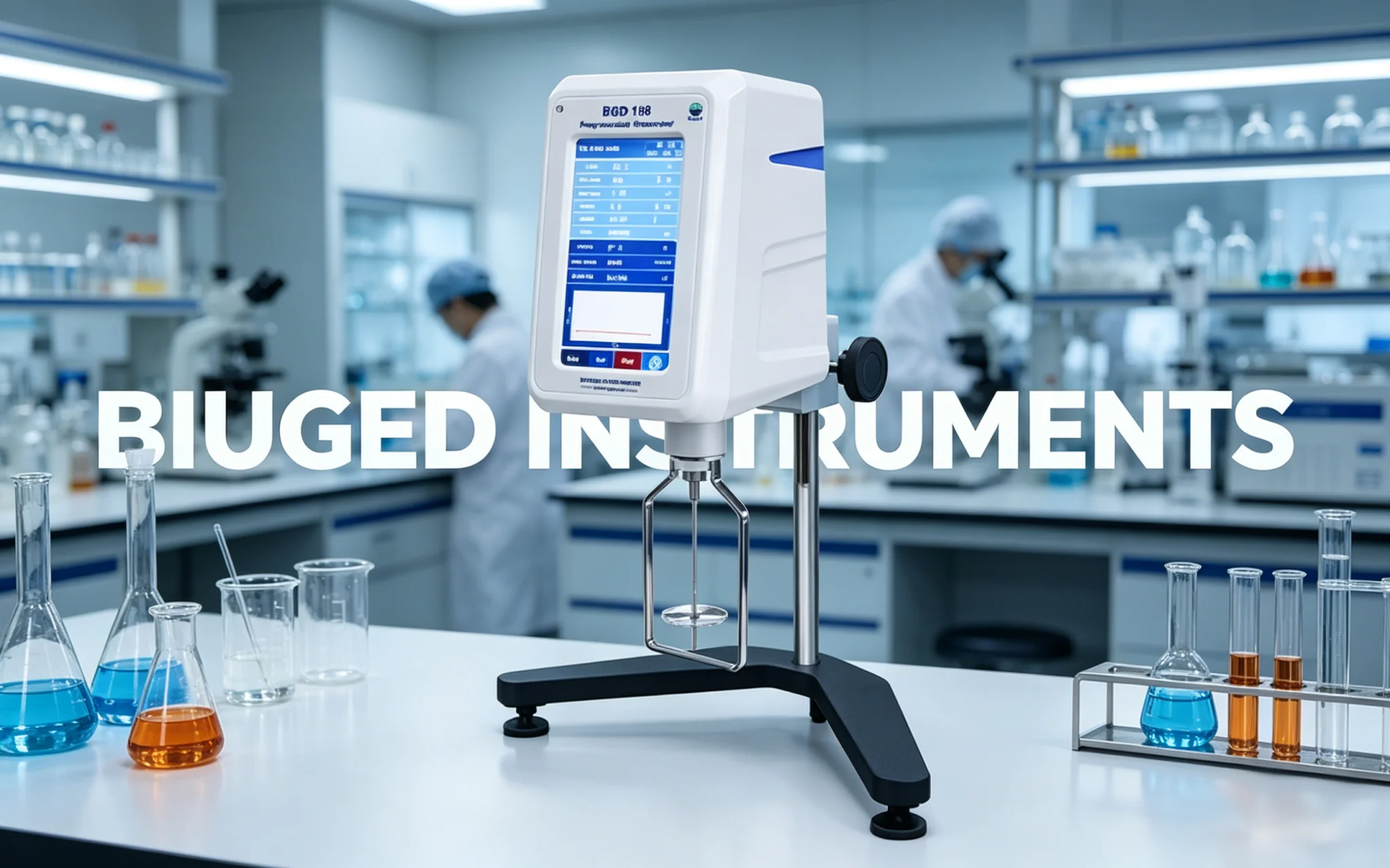
Map tasks to product features — keep choices lean
Break down the testing journey into concrete tasks: sample prep, test execution, data capture, result interpretation, and reporting. Match each task to one prioritized feature. For example, if technicians spend most of their time labeling samples, invest in barcode-driven sample tracking instead of a high-resolution camera module. Small, high-impact features win user trust faster than bundled “all-in-one” promises.
Real-world grounding: expertise that matters
I’ve seen projects fall apart when teams ignored standards and field context. Anchor decisions to a single, verifiable reference: ISO 4628 for paint degradation measurement gives you a consistent baseline for defining pass/fail thresholds. When you align test methods to that standard and to proven lab setups, you reduce rework and regulatory disputes. Pair that discipline with targeted custom tooling: evaluate how custom testing solutions adapt to your sampling frequency and environmental controls before you finalize instrument specs.
Prototype cycles: iterate with users, not stakeholders
Build short loops: test a minimum viable procedure, watch users execute it twice, then make one change. Repeat until the procedure fits into their daily cadence. Capture where they bend rules; those are design opportunities. Let user pain steer engineering trade-offs — accuracy vs. speed, automation vs. manual oversight — and document the rationale so future teams don’t undo the hard-won balance.
Common pitfalls and how to avoid them
Avoid these predictable traps: 1) Designing for the ideal lab instead of noisy shop floors; 2) Over-automating reporting and burying simple pass/fail cues; 3) Treating calibration as a checkbox rather than a scheduled task with visible reminders. Solve each by testing in context, keeping core outputs visible, and baking calibration workflows into daily routines with low-friction prompts.
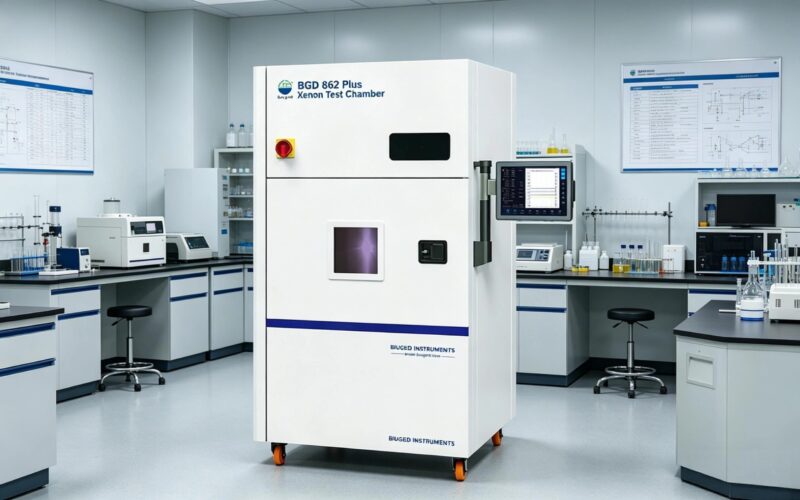
Choosing alternatives: what to compare
When evaluating hardware and software paths, compare along three axes: fidelity (can it measure the attribute you need?), workflow fit (does it match user moments?), and total cost of ownership (parts, calibration, downtime). Off-the-shelf instruments win on short-term cost; modular custom rigs win when test conditions diverge from mainstream use. Keep one evaluator who represents actual users to avoid feature-creep driven by sales or engineering vanity.
Measure success and scale responsibly
Define two core metrics from the start: time-to-decision (how quickly a test leads to an action) and repeatability (variation across operators and days). Use those numbers to justify product changes. Scale by automating what users repeatedly accept and keeping manual controls for edge cases. When you scale, preserve the loops that uncovered the original problems.
Wrap-up: practical outcome
Design a strategy that listens first, prototypes fast, and ties features to actual tasks. Ground methods in recognized standards, validate tools in real settings, and pick the solution path that keeps users efficient and confident. That practical alignment is what turns testing instruments into dependable tools — the kind of outcome a team can trust with daily decisions, just as engineers have trusted BIUGED solutions when they needed instruments that behave predictably on the job.

