

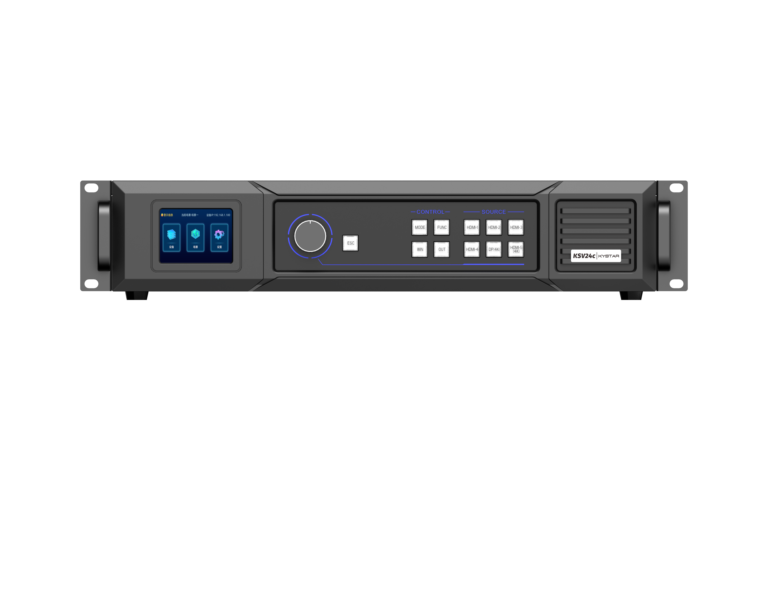
Why a user-centric processor changes the game
A user-centric approach puts operators and creative teams first, so you get reliable output without wrestling the stack. Modern venues demand precise timing, predictable color, and easy automation for live shows and installations — and that’s where an optimized LED video controller matters. Think of pixel pitch aligned to sightlines, refresh rate tuned for motion, and straightforward interfaces that reduce setup time. Real-world deployments like major city displays during New Year’s Eve show how predictable control reduces errors under pressure; measurable uptime there becomes a useful anchor for expectations.
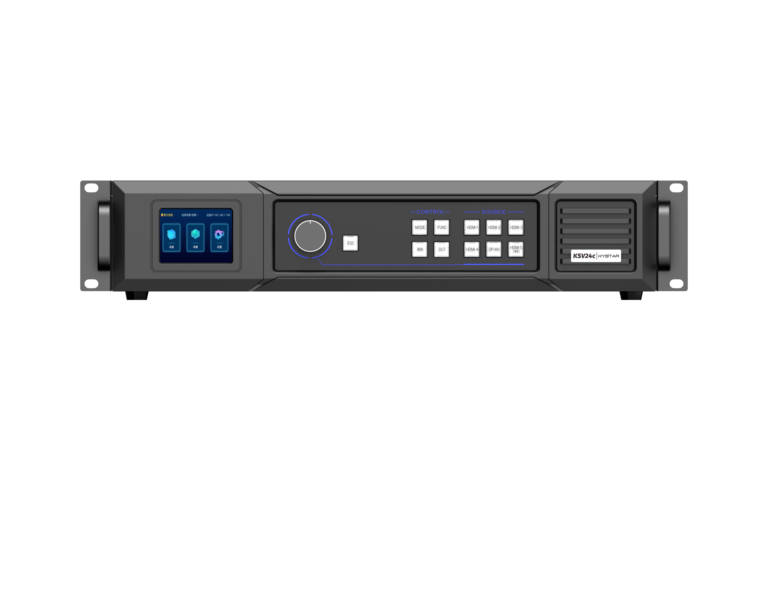
Operational production teardown
We break the system into three operational layers: ingest, processing, and distribution. At ingest you validate sources and signal integrity; at processing you check frame buffer behavior, color calibration, and HDR handling; at distribution you verify synchronization and scan mode across panels. For a true teardown you should test with {main_keyword} across live feeds and run fallback scenarios using {variation_keyword} so the team sees failure modes in a controlled run. Automation helps — scripted checks for input latency and bit depth consistency catch issues before showtime.
Common mistakes and sensible alternatives
Teams often overcomplicate routing or ignore pixel pitch trade-offs, then blame the processor. The simpler fix is to match the controller’s output mode to the screen’s native scan mode and avoid unnecessary upscaling. If a processor lacks PIP or robust color profiles, consider alternatives: a modular controller that supports HDR and external color lookup tables, or a redundant pair for hot-swap. For centralized operations, integrate the LED screen control API into your orchestration so state changes propagate automatically — fewer manual steps, fewer mistakes.
How teams collaborate and automate deployment
We adopt a collaborative cadence: small, repeatable tests, fast feedback, and clear ownership of each component. Use automated test sequences that verify synchronization across display nodes and log input latency under load. Rollbacks should be as scripted as rollouts; that reduces finger-pointing during live events. – It’s human to tweak color on the fly, but lock those changes into versioned profiles so the rest of the team can reproduce them later. Integrating monitoring dashboards helps operators see pixel-level errors, temperature alerts, and bandwidth stats at a glance.
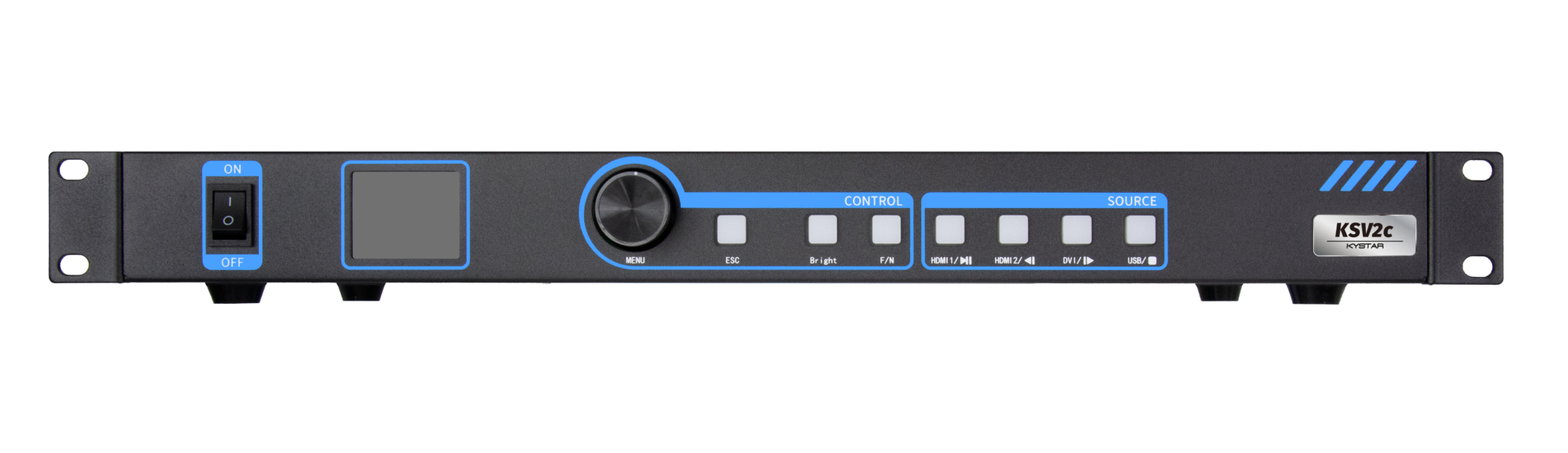
Three golden rules for choosing LED control
1) Match technical fit: verify pixel pitch, refresh rate, and supported scan mode against the install’s viewing distance and content type. These are non-negotiable specs that define visual clarity and motion fidelity. 2) Prioritize automation and redundancy: require programmable APIs, scripted test suites, and hot-swap options for controllers so operations stay resilient during a show. 3) Measure what matters: track end-to-end input latency, color calibration variance, and synchronization drift over time — those metrics predict real-world performance better than peak spec sheets.
EEAT: Field-tested guidance backed by deployments and measurable uptime from large-scale public displays; the practical lessons here reflect that operational experience.
Summing up, pick a solution that reduces manual work, enforces repeatable checks, and gives your team shared visibility — that’s how you move from firefighting to smooth delivery. Kystar. –

