


A Real-World Fork in the Road
Picture a campus on a hot afternoon: chillers humming, EV chargers busy, and a storm rolling in. An energy storage system seems like the obvious fix, bridging gaps and shaving peaks. Yet the decision is not only about kWh or price per cycle; it is about risk, uptime, and fit to site constraints (small yards, tricky codes, tight schedules). Last season, many sites saw demand charges rise in double digits while outage minutes crept higher. So, how do you pick a containerized solution that will hold up when heat, dust, and grid swings test it?
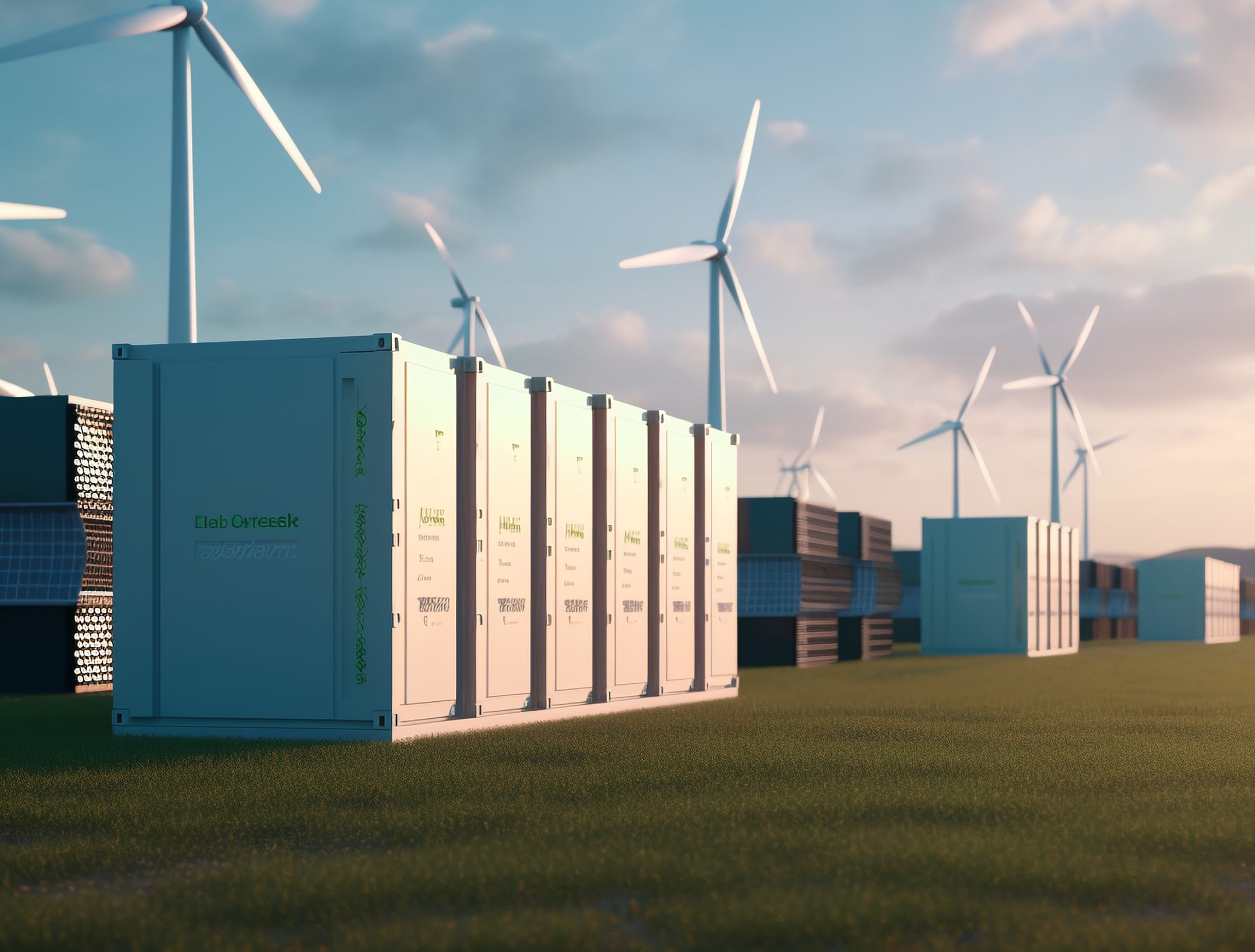
Let’s compare what matters most, not just on paper but in day-to-day work—install, operate, maintain. We will keep it clear and practical. What signals should guide your choice? And which trade-offs should you accept, or avoid? The next sections walk from common pitfalls to the design principles that prevent them. We will move from simple frames to detailed checks, step by step. Stay with me; a small detail in a box wall or cable tray can save months later. Now, let’s turn to the cracks we often miss and why they show up first during stress events.
Hidden Flaws in Traditional Approaches
Where do legacy fixes fall short?
In Part 1, we mapped the basics. Here, we go one layer deeper, and we do it in a technical rhythm. Many projects still rely on retrofitted shipping boxes or split-room builds. On paper, they tick the list. In the field, they run hot, lose time, and cost more than planned. An energy storage container lives or dies by airflow paths, cable routing, and how the battery management system talks to power converters. If the intake and exhaust fight each other, hotspots appear. If the inverter room is not isolated, vibration and dust travel. If the fire barriers are an afterthought, permits stall.
Look, it’s simpler than you think. Failures cluster around the same themes: rough thermal management, poor service access, and messy interfaces. Doors swing the wrong way, so technicians bypass panels. SCADA tags do not match the energy management system, so alarms flood. A small leak in a roof seam becomes a short in a combiner—funny how that works, right? When legacy builds glue parts together, the microgrid controller has to babysit weak links. That means more downtime, and higher lifecycle cost. A well-designed container, by contrast, sets clear zones for batteries, inverter, and switchgear, so heat, noise, and work tasks stay in their lanes.
Forward-Looking Principles and Practical Comparisons
What’s Next
From Part 2, we learned why patchwork fixes break under stress. Now we shift to a forward-looking lens. The new playbook is not magic; it is principles. Start with an integrated chassis that treats structure, airflow, and wiring as one system. Run a digital twin to model heat, pressure, and fault paths before steel is cut. Build service-first: hand-clearances, safe lift points, and front-only access where space is tight. Inside the energy storage container, align busbars to minimize loop area, and place sensors where a tech can reach them fast. Pair the battery management system with the inverter controls so ramp limits and safety rules do not conflict. Then tune setpoints over time—seasonal curves are your friend.
Tone check: semi-formal, because this is about choices you can make today. Compare options by life with people, not just specs. Does the layout keep hot aisles short? Can one person swap a fan without lifting gear? Are alarm points mapped in plain language so a rookie can triage at 2 a.m.? When those answers are yes, uptime follows—and costs drop—funny how that works, right? Last, ensure that SCADA, EMS, and site protection relays speak the same time base. A single, clean sequence of events log saves hours on root cause hunts.

Advisory close—three metrics to guide your pick: 1) Thermal headroom under worst-case ambient, stated as degrees Celsius margin at full load. 2) Mean time to service for top five tasks, measured in minutes with one technician. 3) Control coherence: number of independent controllers that must agree for a charge/discharge command to execute (fewer, with clear arbitration, is better). Apply these, and you will see the better container rise to the top. If you want a reference point as you evaluate the field, see how teams like LEAD structure their designs and interfaces.