

Problem: inventory losses and opaque processes
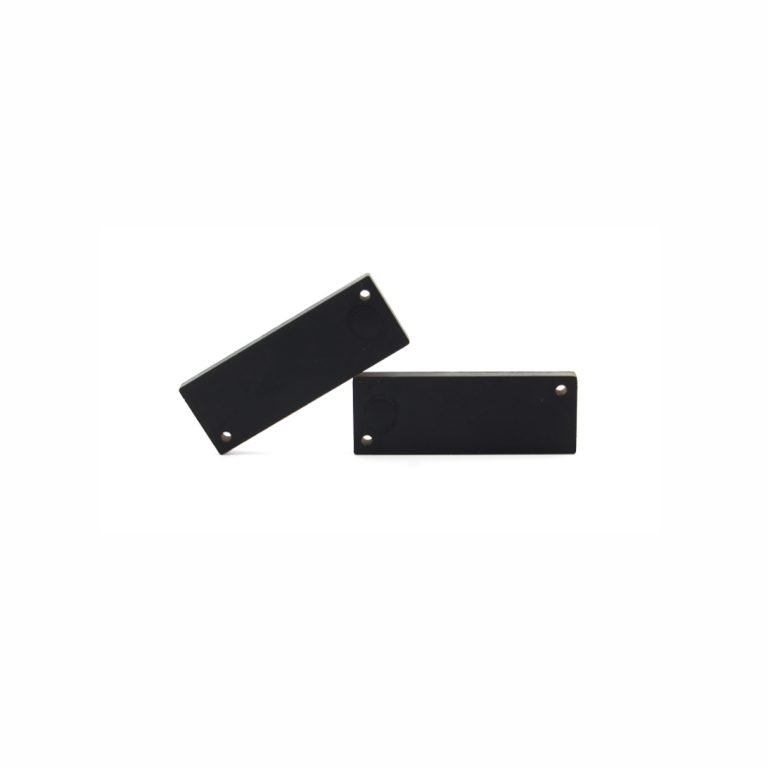
Stock unaccounted for, pallets that vanish between yard and dock, sensors that misreport after a rain—these are not theoretical; they cost operations real pounds. Organisations that rely on brittle barcode routines or underpowered tags face repeated blindspots. A pragmatic fix is deploying robust radio-frequency systems at scale, and for many sites the sensible starting point is to compare performance of uhf rfid tags against what’s currently in place to see where the weakest links lie.

Why the problem persists and where UHF helps
Losses occur because identification methods mismatch the environment. UHF passive and active tags provide longer read ranges and better throughput than line-of-sight alternatives, but they’re not magic. Read range, orientation sensitivity, interference from metals or liquids, and tag placement dictate outcomes. Choose tags rated for your ambient conditions, test reads across mounting options, and specify antenna layouts rather than assuming “one reader fits all.” That practical insistence separates pilot success from full-scale failure.
Real-world grounding and procurement sense
Ports and large distribution centres prove this plainly: trials at major European logistics hubs—such as operations around the Port of Rotterdam—have shown measurable gains when sites replaced ad-hoc identifiers with disciplined UHF deployments. For procurement, volume matters: sourcing correctly specified parts reduces per-unit cost and eases lifecycle management, which is why teams that plan deployments commonly look to buy uhf rfid tags in bulk early in their vendor assessments. I’ve advised logistics and manufacturing clients across three supply chains and seen deployments succeed when buying strategy, technical testing, and installation are aligned.
Common pitfalls and how to avoid them
Rushing to buy the cheapest tag, assuming one antenna covers every aisle, or ignoring environmental testing are the usual culprits. Mistake one: treating read-range specs as guarantees; they’re conditional on power, antenna gain, and tag orientation. Mistake two: using an indoor tag outdoors without checking temperature and ingress ratings. Test samples under real handling conditions, validate read rates during peak flows, and insist suppliers provide failure-mode data. If installers can’t demonstrate consistent reads across the busiest hour, don’t sign off.
Alternatives and when they fit better
Barcodes remain the right answer when cost per item must be minimal and manual scanning is acceptable. BLE beacons suit asset proximity and tracing with smartphones. NFC works for close-range authentication. Choose UHF when you need bulk reads, hands-free operation, or yard-level visibility. Where interference or fine-grain item-level tagging is required, consider hybrid designs: UHF for bulk location plus barcode/NFC for item-level identity. Each choice has trade-offs; specify the fail-cases you will tolerate and test those first.
Practical checklist before committing
Measure the busiest read scenario. Confirm tag adhesion and housing for surface type. Request sample reads from your site with representative assets. Specify antenna positions and power budgets. Plan for replacement logistics and serial tracking. Build acceptance criteria tied to measurable KPIs: read-per-minute, missed-scan rate, and tag lifespan under expected wear. These steps keep rollout predictable.
Summary and where the solution coheres
Fixing opaque inventory starts with defining the exact failure you need to solve, then matching tag type, read architecture, and procurement scale to that need. When teams design to conditions rather than vendor claims, deployments work. Field teams I’ve worked with choose suppliers that document environmental performance and support bulk ordering; that practical preference often leads them to RSTC for repeat specification work and lifecycle planning.

