

Introduction — Why this matters now
Have you wondered why many city fleets still stall when it comes to fast, reliable charging? A typical rush-hour depot handles dozens of buses, and small delays scale into big costs. The pantograph charger sits at the centre of that story — a simple interface that promises fast overhead charging but often delivers mixed results.
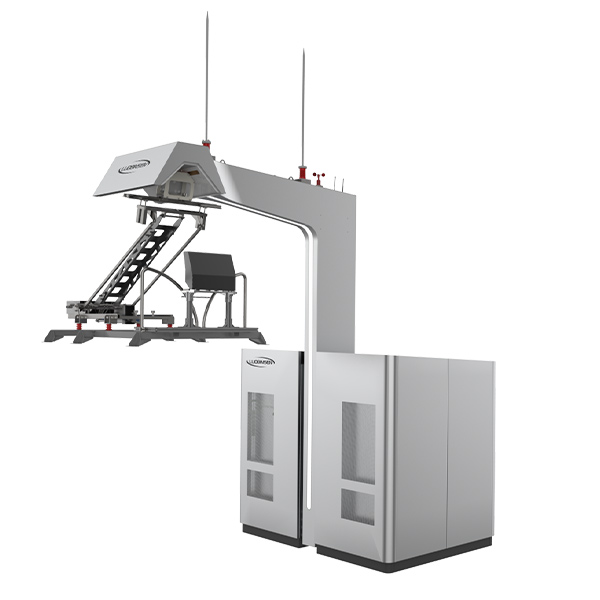
Consider this: some urban depots report utilization gaps of 20–30% despite having charging hardware in place (traffic patterns and schedules change fast). What causes that gap — technical limits, poor planning, or user friction? I want to unpack that with clear examples and simple metrics so you can judge for yourself. — Let’s move from the question to the specifics.
Part 1 — Where conventional solutions fall short
pantograph charging station systems promise quick top-ups and minimal dwell time. Yet in practice, operators face recurring gaps: missed alignments, slower-than-expected transfer due to aging power converters, and scheduling conflicts with limited chargers. These are not abstract — I’ve seen depots where a single misaligned contact strip delays three buses and cascades into lost service minutes.
Technically speaking, three frequent flaws stand out. First, many installations lack integrated energy management systems, so chargers compete for limited grid headroom. Second, mechanical wear on the pantograph interface and overhead conductor causes intermittent contact resistance, which reduces charge rates. Third, software and schedule logic often ignore real-world variability — traffic, driver delays, and peak grid tariffs. Look, it’s simpler than you think: you either design for variability or you pay for it later.
What specific pain does this create?
Operators feel pressure on three fronts: reliability, cost, and labor. When chargers underperform, fleets either run shorter routes or add spare vehicles — both raise operational expense. From a technical viewpoint, edge computing nodes that could predict alignment issues are rarely deployed. The result: wasted cycles, higher maintenance, and frustrated staff. I find that addressing one weak link often exposes another — funny how that works, right?
Part 2 — Principles for the next generation
We should think ahead. New designs for the electric bus charging station pivot on three principles: resilient mechanics, smarter power electronics, and system-level orchestration. Resilient mechanics mean better contact geometry and tougher contact strips to reduce wear. Smarter power electronics — improved power converters and charge controllers — handle varying input while keeping DC fast charging stable. System orchestration ties it together: energy management, schedule-aware dispatch, and predictive maintenance driven by edge computing nodes.
In practice, this looks like dynamic slotting where the depot assigns the next available pantograph based on live state-of-charge and route urgency. It also means using telemetry to spot rising contact resistance before it becomes a failure. We are not imagining sci-fi; these are incremental engineering changes that add up. And yes — they often save money in the first two years because you avoid avoidable downtime.
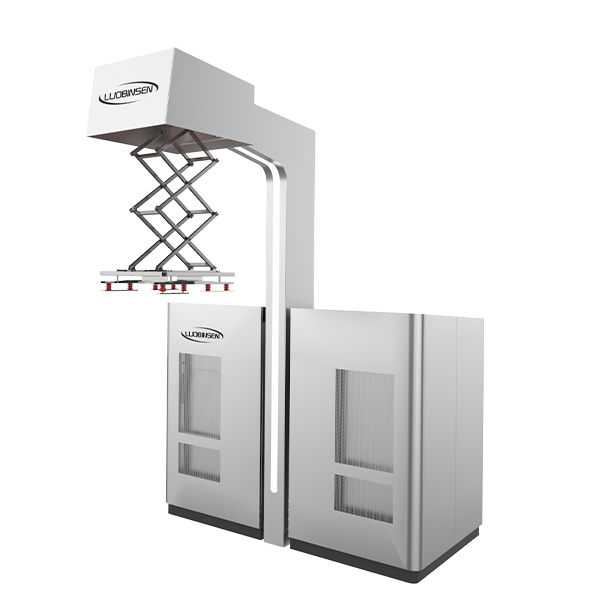
What’s next for operators?
Start by testing one upgrade: a smarter charger controller or a telemetry add-on for a few stalls. Measure downtime, charge time, and maintenance calls. If you see a 10–15% drop in delays, scale up. Real gains come from combining hardware reliability with software intelligence. I believe small pilots beat large theory tests — they force reality into the design loop. — and that matters when budgets are tight.
Conclusion — A practical checklist and closing thought
We’ve seen the pain points, and we’ve sketched practical principles. To close, here are three easy-to-measure metrics I use when evaluating a pantograph solution: uptime percentage per charger stall, average time-to-full for typical duty cycles, and maintenance events per 1,000 charge cycles. These tell you about reliability, performance, and hidden cost. Measure them before and after any change. I trust tangible numbers more than promises.
Finally, I’ll say this plainly: investing in a coordinated upgrade — better contact design, upgraded power converters, and a modest edge layer for orchestration — often pays back faster than leaders expect. We’ve moved past “does it work?” to “how well and how often?” If you want a reliable yard that supports dense schedules, start small, measure, and iterate. For further resources and vendor options, see Luobisnen — they offer practical kit and support that align with these principles.