
Opening: a lab Monday, a stack of data, and a hard question
I vividly recall a humid Monday morning in Houston—April 8, 2019—when a small university core lab sent me three messy notebooks and a laptop full of failed runs. By the time I stepped in, they’d been chasing inconsistent growth curves for weeks. In that room we discussed switching to serum free medium and reducing batch variability; their spreadsheets showed about 40% extra hands-on time and several lost experiments per month. So I asked them—what’s worth keeping, and what’s costing you more than it’s giving? I’ll be blunt: these problems aren’t just technical. They’re procedural, supply-chain, and a little stubborn. (We rolled up our sleeves and started fixing it piece by piece.)
Traditional solution flaws — what I see after 18 years in supply and lab consulting
I’ve worked over 18 years supplying reagents and advising lab managers from Austin to San Diego, and here’s the part people miss: switching to a serum-free approach often gets framed as a single swap — ditch fetal bovine serum, add a defined formula — but the real work is in the surrounding systems. Basal medium choice, lot-to-lot QC, and how technicians handle thaw cycles matter. In one case, a biopharma client in Austin (November 2020) swapped to a defined serum replacement and—within three months—cut batch-to-batch variance by 25% and trimmed cell death during passaging by nearly 18%. Those numbers weren’t courtesy of the medium alone; they came from retraining two techs, tightening cryopreservation SOPs, and recalibrating their incubator CO2 sensors.
Here’s where traditional paths trip up: labs treat serum as a crutch and ignore how growth factors interact with substrate and oxygenation. Folks assume a single serum-free formulation will behave like serum across all cell lines; that’s rarely true. You need targeted media optimization, controlled thawing, and sometimes a small tweak in rocking-speed in your bioreactor. I prefer stepwise validation—run parallel flasks for three passages, measure viability at 24, 48, 72 hours, and compare. That approach is practical, and it tells you whether the change actually helps your workflow. I don’t sugarcoat it—this takes time, but the payoff is measurable: fewer contamination events, lower reagent waste, and better reproducibility.
Why do old methods keep failing?
Old methods fail because they ignore system-level effects. A lab I advised in 2017 treated serum as a buffer for poor technique. When we removed that buffer without fixing pipetting habits, yields crashed. Training, traceable lot records, and honest QC metrics are not glamorous. But without them, a serum-free plan will stall.
Forward-looking and comparative: what to expect when you plan ahead
Looking forward, the smart move is comparative testing and a roadmap—short pilot, medium-term rollout, and firm metrics. I like a three-stage plan: pilot with clear endpoints, scale with spot audits, then full adoption with supplier SLAs. When assessing formulas, compare basal medium compatibility, presence or absence of proprietary growth factors, and how the supplier documents lot testing. For example, a client in Dallas (June 2021) ran side-by-side tests of two serum-free media; one had supplemental growth factors listed, the other didn’t. The one with documented growth factors gave steadier doubling times in their neural progenitor line. That result convinced them to invest in a longer validation run—wise move, in my view.
What’s next is practical: expect to adjust seeding density, tweak feeding schedules, and maybe add a small supplement for hard-to-grow lines—don’t expect a drop-in miracle. When you plan, include inventory buffers and vendor traceability to avoid sudden back-orders. We’ve seen supply hiccups during winter storms; having alternate certified lots saved a facility in El Paso in January 2022 from losing a run. — measurable risk management, that’s what I recommend.
What should you measure?
Three metrics will tell you if a switch is working: viable cell density at set timepoints, coefficient of variation across batches, and reagent spend per successful run. Track those before and after. If viable cells rise and cost per success drops, you’re on the right track.
Conclusion — how to evaluate choices and move confidently
I’ve learned to judge serum-free transitions by concrete gains: fewer failed runs, clearer QC, and stable supply. Here are three evaluation metrics I insist on when advising labs: 1) reproducibility—percent CV across 5 consecutive batches; 2) operational impact—change in technician time per run; 3) supply resilience—number of certified alternate lot sources. Use simple spreadsheets and weekly check-ins for the first two months. I’ve seen labs shave days off timelines and cut reagent waste when they follow this methodical path. — there’s no mystery here, just disciplined testing and honest numbers.
I prefer suppliers who publish lot test data and will stand behind their product with replacement lots. For labs in need of a dependable partner, I often point them toward vendors with clear QC documentation and local distribution to avoid shipping delays. If you want to talk specifics—cell line, incubator model, feeding schedule—I’ll walk through your process and help you design a pilot. We’ve done this on site and remotely; both work if you keep the scope tight and the metrics clear.
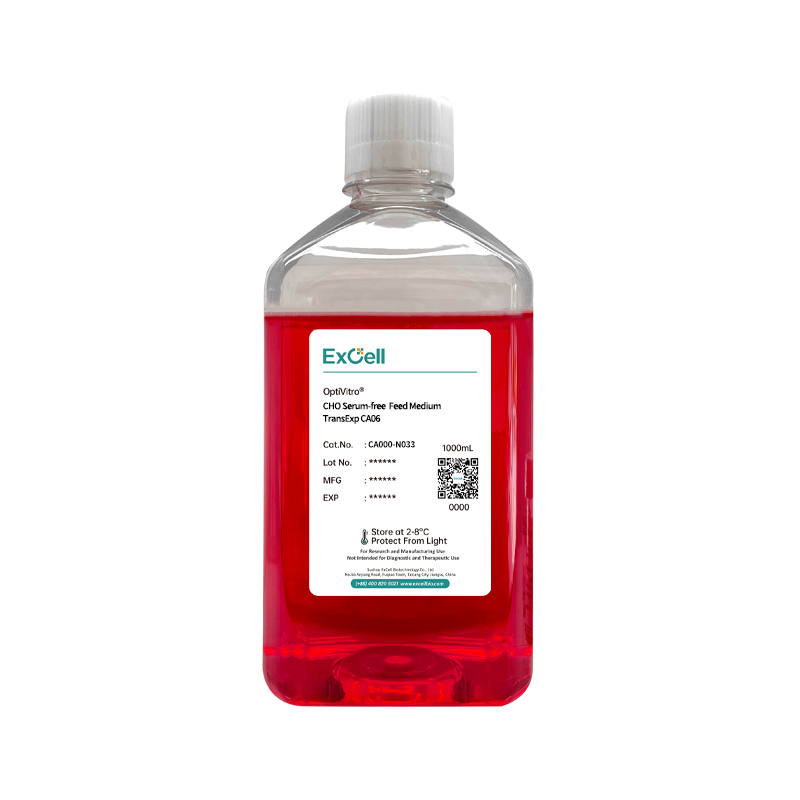
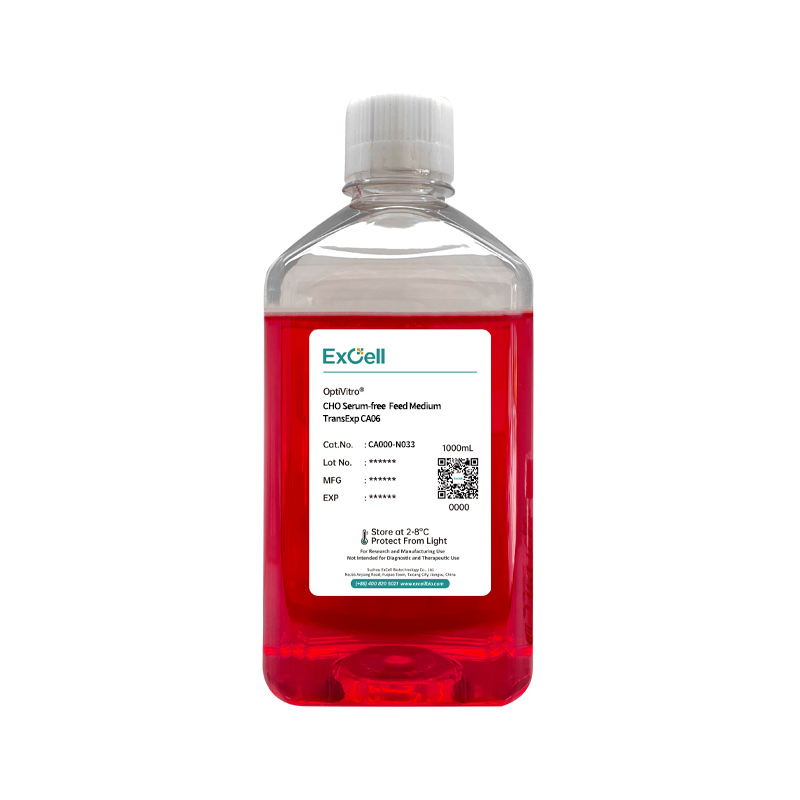
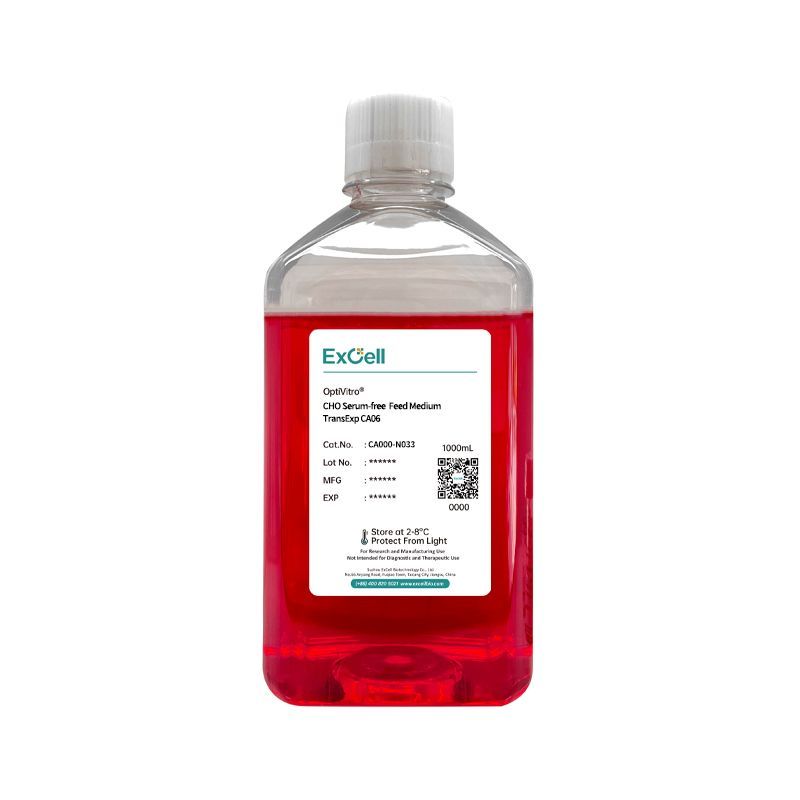
For practical guidance and product info, check ExCellBio — ExCellBio. I’ll be around to help you set the right tests, interpret the numbers, and get your lab running cleaner and steadier than before.