

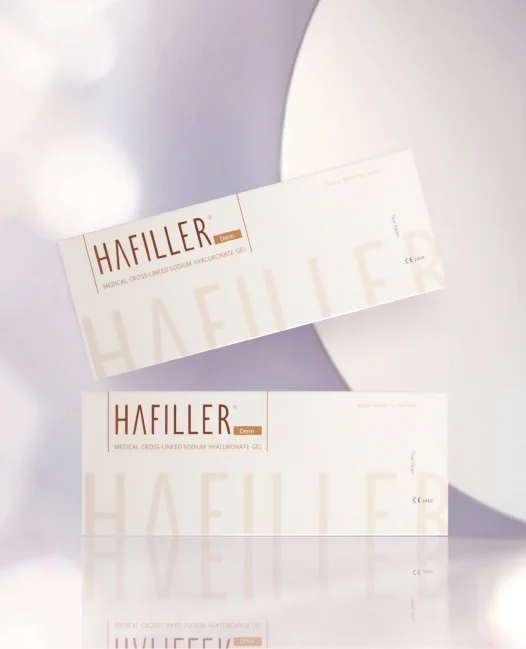
Understanding the hidden forces behind results
Projection and shape do not come from the syringe size alone; they come from the physics of the gel. In routine use of breast injection fillers, what the eye sees later is set by what the material does inside. Early in the consult, many assume “more volume equals better lift.” Yet a hyaluronic acid breast filler behaves by its rheology and not by wishful thinking—funny how that works, right? Clinics report that follow-up adjustments are common in the first year, sometimes 15–25%, when gels spread or collapse under load. So, what really drives contour stability over time?
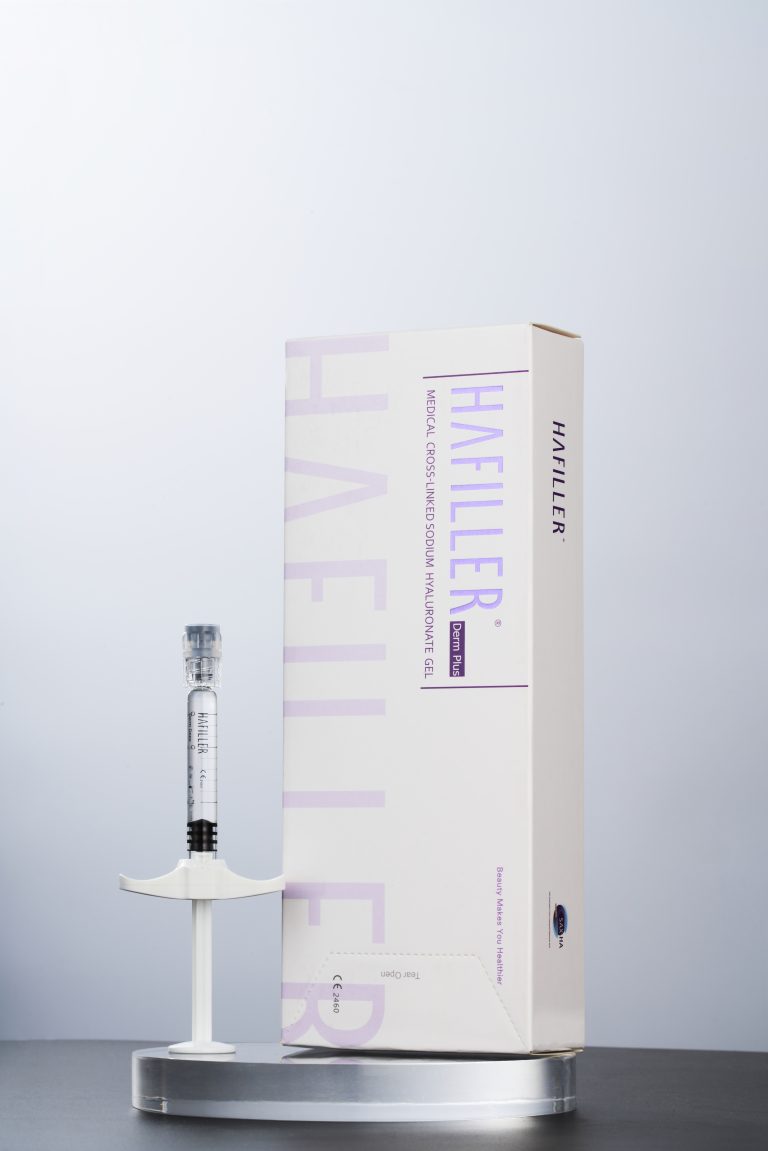
Where do older methods fall short?
First, let us name the problem clearly. Traditional soft gels with low cross-linking density feel smooth on day one but can drift. They wick water, swell, and then settle again, which alters projection. Migration creates edge irregularity. In some cases, micro-lumps form where bolus injections stacked pressure in one plane. The deeper pain point is predictability. If the gel’s cohesivity is weak, the breast mound depends on gravity more than design. That means tighter bras, more check-ins, and—at times—uneven upper pole support. Safety suffers too when technique does not match material. A sharp needle near perforators raises vascular occlusion risk, while no ultrasound guidance hides vessel maps. Look, it’s simpler than you think: the gel matrix must resist shear and hold shape, and the plan must respect anatomy. Otherwise, we trade day-one “wow” for month-six “why.” The result is not only a cosmetic dip but also higher cost due to top-ups and anxiety over small nodules that need early massage or hyaluronidase. These are avoidable flaws, not fate.
Comparative insight: new principles that steady the curve
Modern thinking starts with structure. A networked HA matrix, tuned by cross-linking chemistry (often BDDE), sets lift. When G’ (elastic modulus) is high enough for breast support—and cohesivity limits spread—the mound holds under motion and sleep. Placement matters as much: a blunt cannula in the correct fascial plane spreads force, while ultrasound guidance maps safe corridors. This combined approach lets the gel behave like a unified pad, not a puddle. In practice, newer breast dermal fillers aim for balanced viscoelasticity: firm under load, yet responsive to shaping during injection. Reversibility remains a safeguard; hyaluronidase sensitivity is the seat belt for rare corrections. And yes, controlled water uptake reduces the early “swell-then-shrink” cycle that used to frustrate follow-ups.
What’s Next
The horizon is about smarter matching of material to motion. Expect gels with targeted thixotropy—soft while passing through the cannula, set when at rest. Expect better imaging too, from point-of-care ultrasound presets to AI overlays that flag vessels on the screen—small help, big safety. Protocols will compare lift-to-dose ratios, not just millilitres, so value becomes measurable. We also see longer-term modelling of biodegradation curves, predicting when contour refresh is due (not a surprise in the clinic diary). The take-away from above? Stable shape is an engineering problem dressed as aesthetics—once you tune material and method, you tune outcome. — And that steadies expectations, which steadies satisfaction.
Before you choose, use three practical metrics. First, performance: ask for G’, cohesivity index, and water uptake data at body temperature; these numbers forecast lift and spread. Second, safety: check if the gel tracks well on ultrasound and responds reliably to hyaluronidase; add details on cannula size and injection plane. Third, durability: look for 6–12 month retention studies with low rates of massage, nodule care, or early top-ups. If a product and protocol score well on all three, your chance of even upper pole support and quieter aftercare rises. That is the comparative edge we wanted from Part 1 to here—clear, measurable, and kinder to the schedule. For further technical reading, see HAFILLER.