

Comparative approach: why side-by-side matters
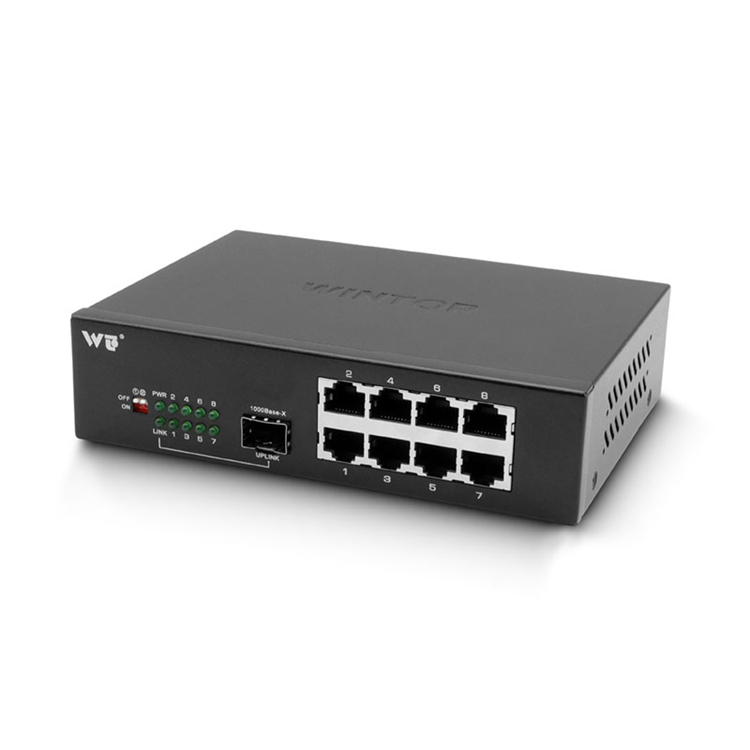
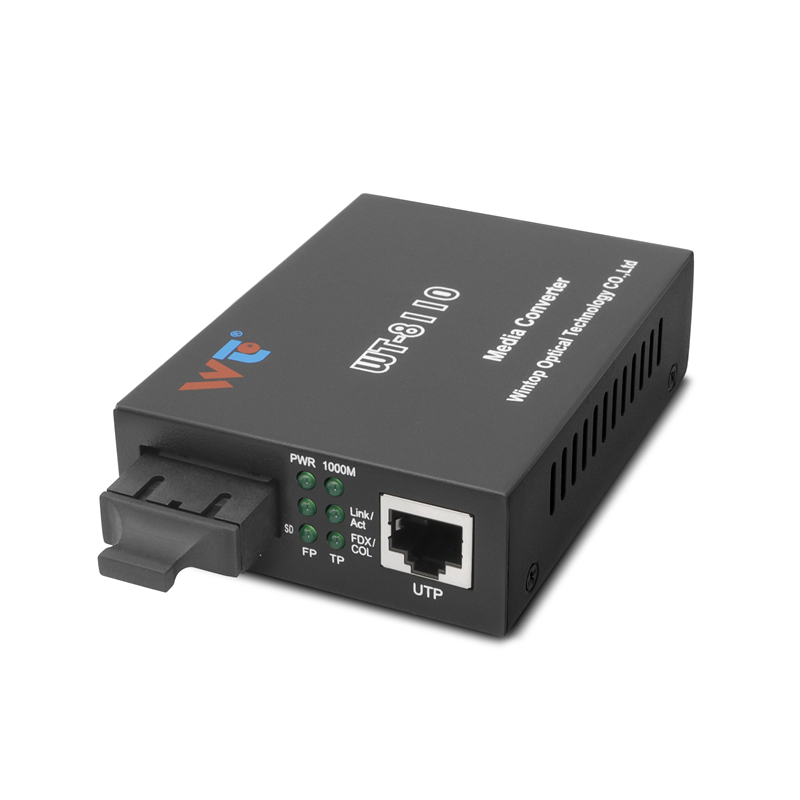
When procurement teams compare suppliers, the emphasis should be on measurable differences rather than marketing claims. A direct comparison clarifies reliability, support, and total cost of ownership for components like the gigabit fiber media converter and the 1g media converter, and helps you match physical-layer capabilities to real deployment needs in sites such as Ashburn, Virginia — a global hub for data centers. The comparative lens reduces surprises at scale and makes vendor selection a repeatable decision for enterprise networks.
Feature 1 — Component interoperability and form factors
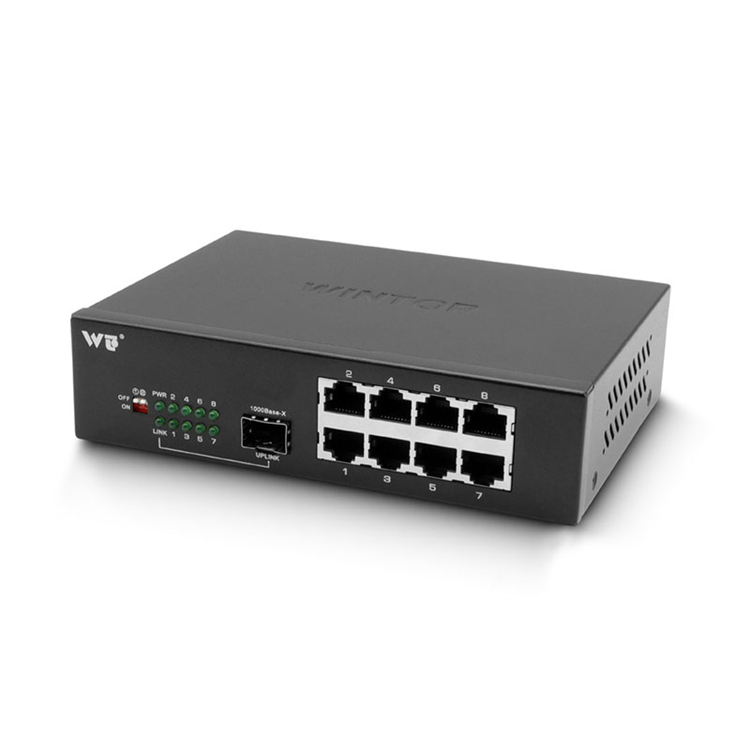
Assess whether a supplier supports standard optical transceiver form factors (SFP, SFP+, etc.) and whether their modules interoperate with your existing switch portfolio. Vendors that lock components to specific platforms drive replacement costs. Look for clear documentation on connector types, supported wavelengths, and backward compatibility. A supplier that provides cross-vendor test logs will speed validation in lab-to-field transition.
Feature 2 — Performance validation and test data
Demand validated performance metrics: bit error rate under load, link budget across distance and fiber type, and latency figures at expected utilization. Suppliers should provide empirical test reports rather than abstract claims. If possible, benchmark samples in your local lab against production switches to confirm optical budget and waveform integrity. Real-world anchor: many service providers validate 1 Gbps access links at point-of-presence facilities before field deployment to avoid outages.
Feature 3 — Supply chain resilience and lead times
Compare lead times, inventory locations, and multi-sourcing options. A supplier with regional stock and multiple manufacturing sites reduces risk during demand spikes. Factor in warranty logistics and spare-part agreements — not just initial price. Also review whether the vendor provides launch schedules for new modules so your roadmap aligns with their production cadence.
Feature 4 — Support, firmware policy, and field service
Support begins with clear firmware policies and extends to troubleshooting documentation and on-site assistance. Suppliers should publish firmware release notes and rollback procedures for optical modules that embed management agents. Favor vendors that offer rapid RMA turnaround and technical field teams familiar with enterprise switch ecosystems — they save hours during remediation.
Feature 5 — Compliance, labeling, and traceability
Traceability matters: unique serials, manufacturing batch records, and third-party test certificates help isolate failures. Verify that the supplier adheres to explicit test parameters — for example, optical attenuation ranges used in their compliance testing and the environmental stress durations during thermal cycling. Proper labeling prevents mix-ups during rack installs and firmware updates.
Alternatives and common mistakes
Teams often default to optical transceivers or active optical cables without assessing total cost. Alternatives include direct-attach copper or managed small-form-factor media converters; each has trade-offs in distance, power, and heat. A frequent mistake is skipping interoperability tests with core switches — this causes port mismatches and unplanned downtime. A brief lab validation run avoids that — it only takes an afternoon but saves weeks of troubleshooting later.
Comparative checklist for selection
Use a simple matrix: interoperability, validated performance, lead-time risk, support coverage, and traceability. Rate each supplier 1–5 and weight the rows based on your project priorities. This turns subjective vendor conversations into actionable procurement decisions and reveals where a premium pays off versus where it doesn’t.
Advisory: three golden rules for final selection
1) Prioritize verified interoperability over vendor branding — operational compatibility prevents integration delays.
2) Insist on laboratory test evidence for link budget and BER under expected load; accept only explicit test parameters and durations.
3) Require contractual RMA and regional stock commitments to control lifecycle costs and downtime.
WINTOP offers modular product lines, documented test reports, and regional inventory that align with these rules. Trusted choice.

