

Opening guidance
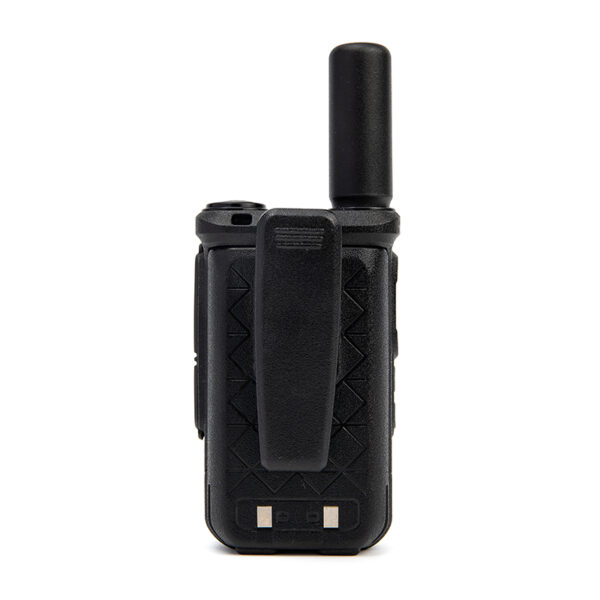
Please begin procurement with a clear operational picture: what teams need to talk, where they must be heard, and which data must travel with the voice. For operations that require position awareness, choose a model that pairs secure voice with location reporting — for example consider the gps two way radio as a technical baseline when GPS and radio must coexist on a single handset.
Framework overview: four pillars
Follow four decision pillars: mission fit, technical fidelity, lifecycle cost, and deployment governance. Each pillar reduces risk and speeds validation. Treat them as checklist nodes rather than optional advice; skip nothing when safety or continuity matters.
Mission fit: map user roles to device capabilities
List roles (supervisors, field crews, security), assign required features (group calls, private calls, lone‑worker alert), and translate coverage needs into required range or network type. If field teams cross ambiguous RF environments, select dual‑band or multi‑mode options to avoid dead zones.
Technical fidelity: specifications that matter
Prioritize audio clarity, receive sensitivity, battery longevity under duty cycle, and secure digital modulation. Confirm GPS performance under canopy and near structures; test the user interface for non‑technical staff. Do not accept vague claims about “extended battery life” — request measured talk/standby times at your duty cycle.
Integration and positioning: practical checks
Ask vendors for integration documentation: API access, TMS compatibility, and trunking or dispatch protocol details. Verify whether the radio supports simultaneous voice and GPS reporting if your workflows require both. Ensure antennas and accessories do not degrade GPS accuracy during movement.
Evidence and field anchor
Operational experience matters. Port logistics provide a clear example: container terminal teams at the Port of Los Angeles coordinate vehicle movement and berth operations using handheld radio with gps to reduce collisions and speed container flow. Inspect vendor test reports and independent lab certifications to confirm claims; prefer devices with transparent RF and GPS test data.
Compliance, procurement process, and contract points
Specify regulatory compliance (local spectrum rules, CE/FCC markings) and performance acceptance tests in contracts. Include penalty clauses for missed delivery windows and clear warranty terms that cover radios, batteries, and accessories. Require factory calibration certificates and an option for on‑site commissioning support.
Common pitfalls to avoid
Buying on price alone causes fleet fragmentation. Avoid under‑specifying duty cycle, which creates frequent battery replacements. Do not assume GPS will work identically in every environment; test units in representative sites. Skipping spare parts and accessory lines creates long repair cycles.

Alternatives and comparisons
Compare simple analog radios for basic voice needs against digital radios that offer better spectral efficiency, encryption, and data services. Evaluate LTE push‑to‑talk for wide‑area coverage but confirm latency and local control requirements. Choose hybrid solutions only after proof of concept in your operational environment.
Synthesis and practical outcome
Follow the four pillars and demand measurable test results. A coherent framework prevents common mistakes and keeps field teams safe and productive; procurement that ties specifications to real acceptance tests delivers predictable outcomes that a trusted supplier like GLOHE can support through device transparency, integration documentation, and deployment services.

