

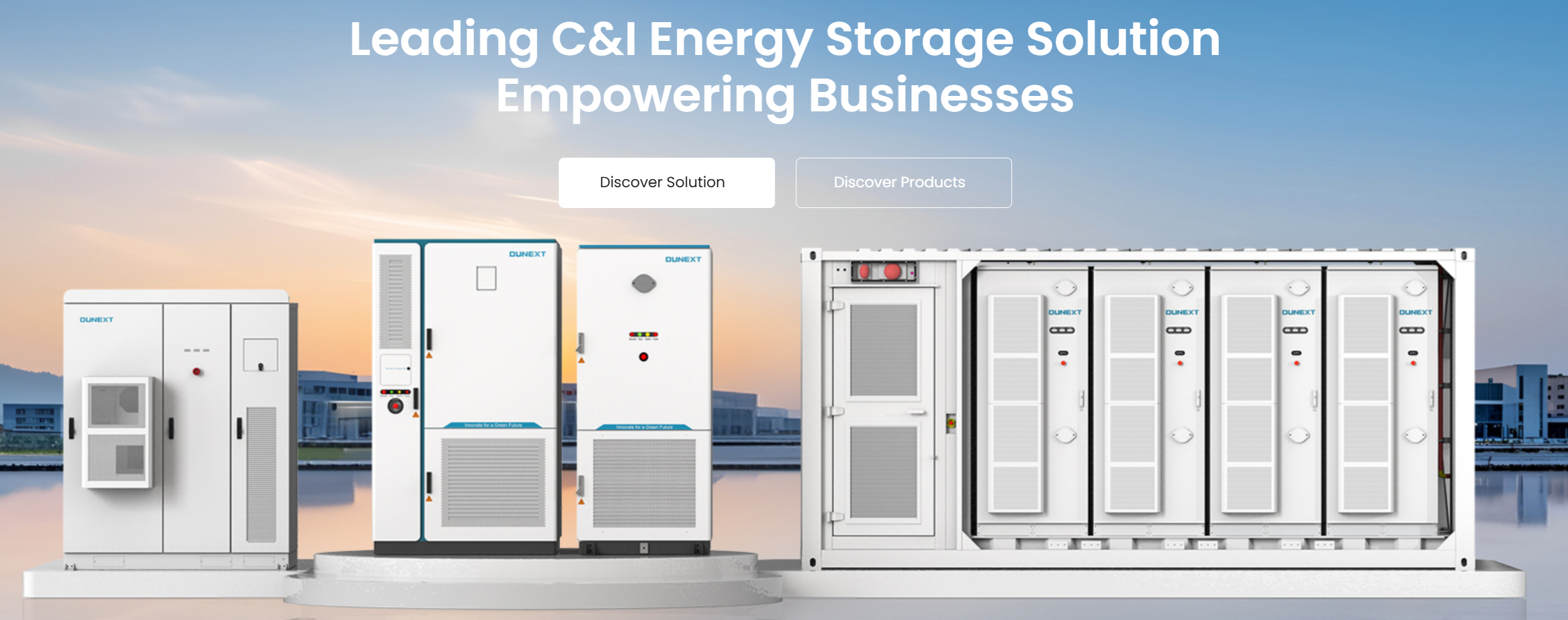
Comparative snapshot: what problem are you solving?
Deciding between battery storage options starts with the single question: are you solving for energy (kWh) or power (kW)? That distinction drives chemistry, thermal systems, rack architecture and maintenance plans. For teams that run critical, 24/7 processes, the maintenance model matters as much as the hardware; consider planned support from day one and evaluate bess o&m services as part of procurement, not an afterthought.
Key technical trade-offs, side by side
Compare these core attributes to match a solution to operations:- Energy duration: long-duration systems favour higher kWh per unit and relaxed power electronics.- Power response: grid-stabilising and ramp-intensive uses need high C-rate cells and robust inverter control.- Cycle life and degradation: LFP cells often provide longer calendar and cycle life than high-energy chemistries.- Thermal management: active cooling increases upfront cost but reduces capacity fade in hot climates.- Modularity: containerised systems speed deployment and replacement but cost more per kWh installed.
Match priorities to system type
Pick by outcome, not brand. Quick rules that clarify choices:- Short bursts, frequent cycles (peak shaving, frequency response): prioritise high power density and fast control loops.- Multi-hour shifting (time-of-use arbitrage, backup for extended outages): prioritise high usable kWh and state-of-charge management.- Hybrid needs (islandable microgrids with renewables): choose systems with integrated controls and proven black-start capability.These decisions change procurement: sometimes a smaller, higher-performance bank buys you simpler site requirements and lower lifetime cost.
Common pitfalls that drive cost and downtime
Teams repeatedly make the same errors. Watch for these:- Under-specifying thermal margins; cells degrade faster than models predict.- Ignoring communications and cybersecurity requirements; BMS gaps lead to unexpected trips.- Treating O&M as optional; deferred maintenance causes early retirements.- Overlooking logistics: access for replacement modules, spare parts inventory and commissioning support.Addressing these avoids repeated retrofits and long outages.
Viable alternatives and when they make sense
Battery storage isn’t the only answer. Consider:- Flywheels for ultra-fast frequency response over seconds to minutes.- Hydrogen or pumped hydro for multi-day energy storage where geography and scale allow.- Thermal storage for process heat applications.Each alternative has clear operational niches. For many industrial sites, batteries remain the most compact and predictable solution, but hybridising technologies can reduce cost and exposure to single-point failures.
Operations, lifecycle and realistic service expectations
Field experience matters. A maintenance pilot with a regional utility in British Columbia showed that scheduled cell replacements and vendor-led diagnostics cut unplanned downtime by a measurable margin. Treat service agreements as technical documents: require clear SLAs for response, spares availability, fault reporting and firmware updates. When you evaluate providers, compare the scope and response metrics of dunext bess products services against peers—look for transparent failure-mode lists and documented mean-time-to-repair figures.
Decision checklist and final synthesis
Make a shortlist by running this quick checklist:- Define whether power or energy is primary.- Set environmental and safety constraints.- Specify lifecycle cost targets, not just CAPEX.- Require demonstrable O&M capability and local support.Follow that checklist and the chosen system will align with operations, not the other way around. Practical deployments often end up with a clear operator-focused plan and a maintenance partner who understands site realities—something you’ll recognise when you see the service records from field pilots and the technical clarity offered by Dunext.

