

Introduction — a small moment, a big question
I remember walking into a dim broiler house and feeling the hush of thousands of birds under one light; that silence told me a lot. Broiler lighting set-ups shape behavior, feed intake, and stress — yet many farms still treat light as an afterthought (I’ve seen it myself). Recent trials show modest changes in light spectrum and photoperiod can shift growth rates by measurable percentages, and farms report differences in feed conversion and mortality when lux and spectrum are tuned carefully. So: how do we move from guesswork to an actionable plan that fits real operations? I want to explore that with you, step by step — and share what I’ve learned about spectrum, photoperiod, and dimming control that actually works in the shed. Let’s unpack the problem and then look at better options in the next section.
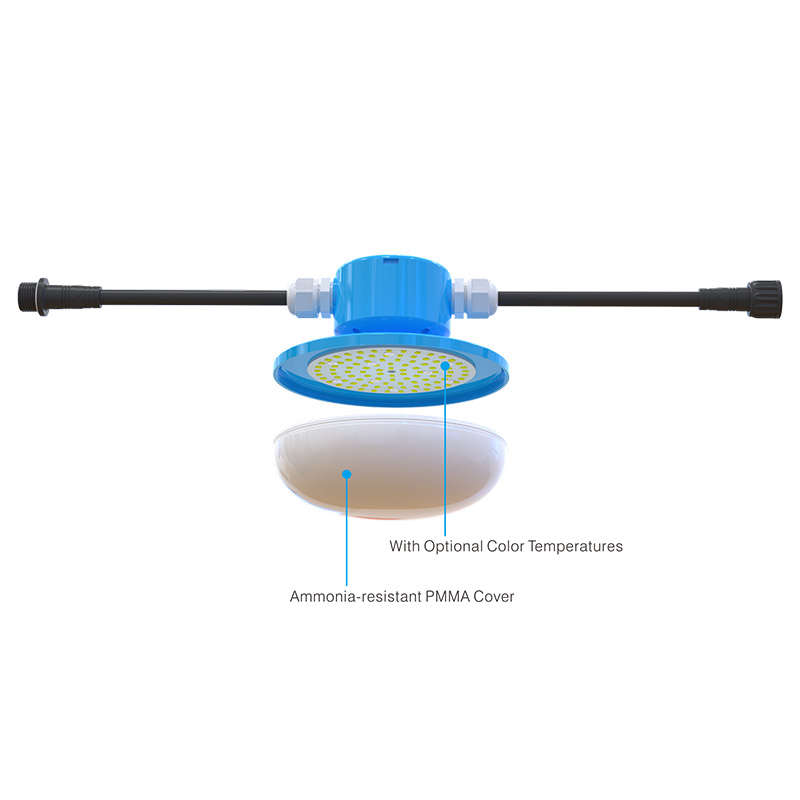
Why many broiler chicken lighting programs miss the mark
When I dig into farm routines, the first thing I check is the lighting program — and often it’s the same cookie-cutter schedule everyone uses. That’s why I look at broiler chicken lighting programs early: they reveal assumptions that no longer hold. As I mentioned above, light influences circadian rhythm, feeding bursts, and leg health. Yet common programs ignore key variables like spectral composition, LED drivers’ flicker profiles, and proper dimming controllers. The result? Birds that push feed at odd hours, uneven flock uniformity, and managers chasing problems with antibiotics or extra feed instead of looking at light. Look, it’s simpler than you think — small tweaks to lux and spectral balance often produce outsized benefits. In my view, the root cause is twofold: outdated photoperiod templates and mismatched hardware (cheap fixtures, poor power converters). If you want repeatable outcomes, you must calibrate both the program and the equipment.
What’s the real problem?
Technically, the flaw is that many systems treat illumination as binary — on or off — instead of a dynamic environmental input. Photoperiod, lux gradients, and spectral shifts interact with bird physiology. I’ve seen setups where LED drivers introduced flicker at low dim levels, which stressed birds and raised culling rates. Also, managers often don’t log actual lux at bird level; they assume fixture output equals usable light. That gap between plan and reality is where flock performance slips. We can map these pain points directly to measurable metrics: uneven uniformity, feed conversion rate, and leg health incidents. Addressing them means changing both the program and how we verify what birds actually experience.
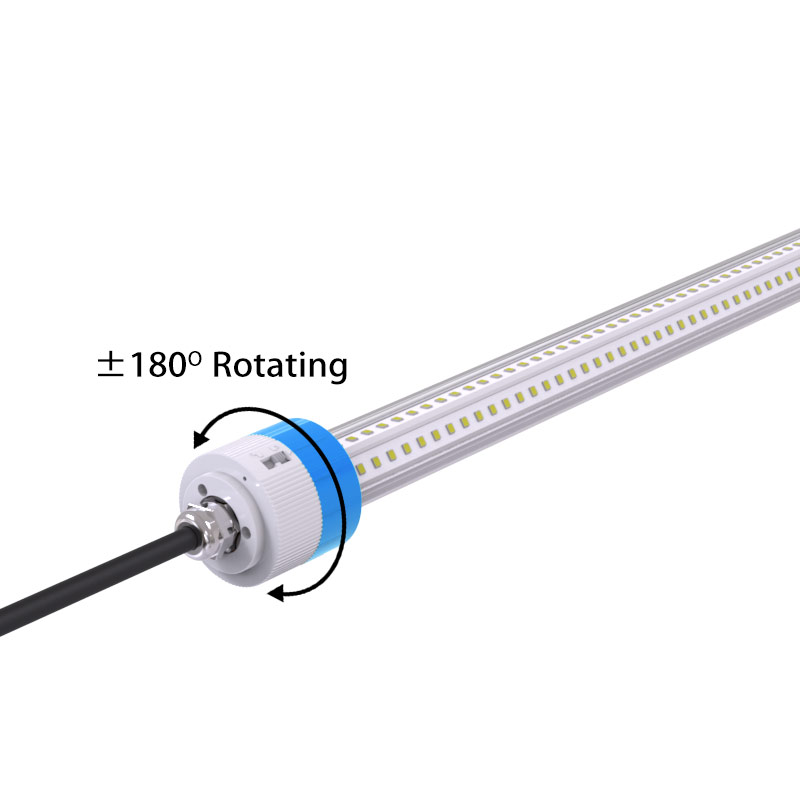
New technology principles that make lighting programs work
Building on those problems, I want to outline simple principles that guide smarter systems. First: control spectrum deliberately. Modern LEDs let us shift blue-to-red ratios to influence activity and calm. Second: manage light intensity spatially — gradients matter. Third: ensure stable power and clean dimming (good LED drivers and power converters eliminate low-frequency flicker). These are principles, not magic tricks. When we apply them, systems become predictable and farmers gain control over behavior and welfare. I like to think of it as designing an environment rather than flipping switches.
What’s Next — practical steps
Start with a pilot that tests one variable at a time: adjust photoperiod by a couple of hours, or change spectrum in a sub-flock and measure feed conversion. Use sensors to log lux at bird level and check that dimming controllers produce steady output. Then compare results against your baseline. We’ve done this on a handful of farms and found consistent improvements in uniformity and lower mortality — funny how that works, right? If you want a ready reference, check example schedules and fixtures among trusted sources; I recommend reviewing broiler chicken lighting programs to see practical layouts that pair photoperiod with hardware. In short: prioritize spectrum, verify intensity, and fix flicker — those three moves get the biggest wins.
Closing — three evaluation metrics to choose by
We’ve covered how traditional programs fail and which principles help. Before I go, here are three pragmatic metrics I use when I evaluate solutions: 1) Verified lux and spectrum at bird level (not fixture spec), 2) Dimming stability — no perceptible flicker across the range, and 3) Measured flock outcomes: uniformity, feed conversion, and mortality over at least two cycles. I vote for systems that prove value quickly and let you iterate. I’m biased — I prefer solutions that are measurable and simple to implement — but I’ve seen these metrics save time and money in real barns. For tools and product references, take a look at szAMB for starter kits and program templates: szAMB.