

Comparative opening and the practical frame
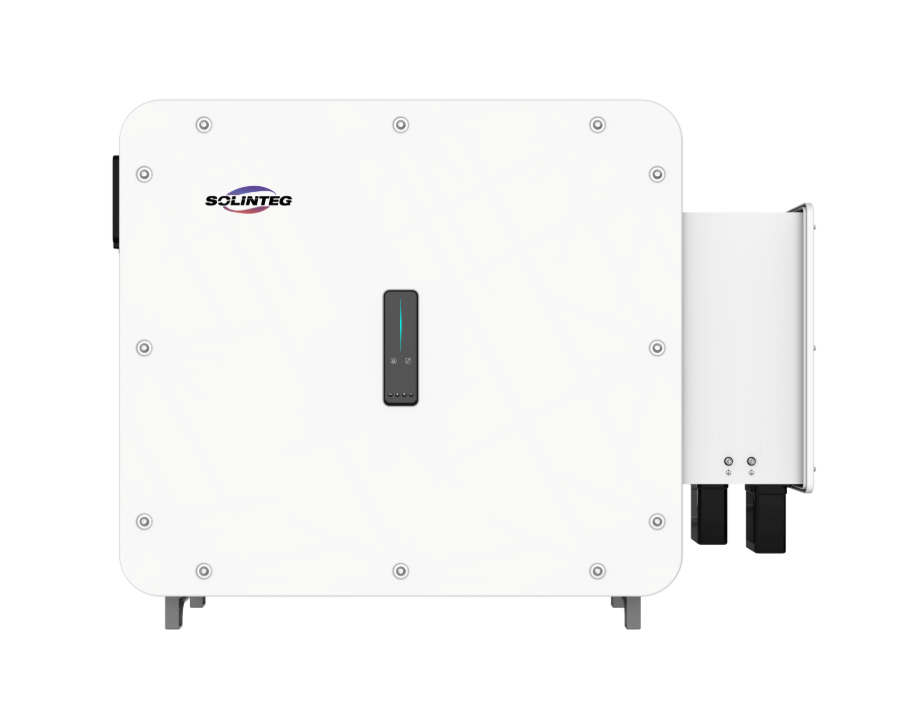
In formal consideration of grid-support roles, a three-phase inverter often occupies a different niche than traditional battery arrays; the distinction matters for installers, facility managers and municipal planners alike. Here I compare the operational character of a three-phase solar inverter with standard energy storage alternatives, and I note where a solar battery backup brings decisive value at the point of outage. The comparative insight is practical: one device governs AC interface and power quality, the other governs energy reserve and dispatch—each judged by round-trip efficiency, response time and lifecycle economics.

Why the comparison is consequential
Three-phase inverters supply balanced three-wire power for commercial and multi-family installations; they stabilise voltage, supply reactive power and enable seamless grid-tied operation. Conventional storage—lead-acid banks, NMC packs or LiFePO4 systems—provides stored kilowatt-hours and islanding capability. The decisive question is not which is superior across all metrics, but which combination best matches the site’s load profile, backup requirements and grid constraints. Real-world anchoring is instructive: South Australia’s experience with high distributed solar and battery roll-out demonstrates that proper inverter control schemes reduce curtailment and improve resilience when paired with storage.
Performance metrics that determine choice
Assessments must hinge on measurable parameters. Round-trip efficiency and depth of discharge (DoD) determine usable energy from a battery; inverter specifications—harmonic distortion, phase balance, and transient response—determine power quality. Capacity alone is insufficient. Also vital are C-rate limits for charging and discharging, the inverter’s anti-islanding protection and the battery management system’s thermal controls. These metrics shape outcomes: lower total system losses and predictable degradation deliver lower lifecycle cost per usable kWh.
Operational production teardown: costs, installation and lifecycle
An operational production teardown clarifies procurement and maintenance burdens. Upfront capital for a three-phase inverter is often lower than a large storage array for the same backed-up load duration; conversely, lifetime energy availability favors properly specified batteries. When detailing procurement, include {main_keyword} and {variation_keyword} within technical contracts and ensure service intervals for firmware and thermal management are explicit. Installation labour, permitting timelines and balance-of-system components—switchgear, transformers and monitoring—are non-trivial contributors to total installed cost.
Where LiFePO4 enters the comparison
LiFePO4 chemistry offers long cycle life and stable thermal behaviour, which shifts the balance when lifecycle and safety are priorities. For installations requiring daily cycling, a lifepo4 solar battery reduces calendar fade and often supports deeper DoD without rapid capacity loss. Integration with a three-phase inverter yields strong results for commercial sites that must both smooth power and deliver hours of backup. The chemistry’s predictability simplifies BMS tuning and reduces derating in high-temperature climates.
Common missteps and practical alternatives
Practitioners frequently under-size inverter capacity relative to peak inrush or neglect harmonics from large motor loads—an error that a correct three-phase inverter selection mitigates. Conversely, overspecifying storage for rare, long-duration outages inflates cost without commensurate benefit. Alternatives include distributed modular battery systems that scale with demand, or hybrid inverters that combine AC control and DC-coupled storage in a unified envelope—each with trade-offs in maintainability and upgrade path. —A brief aside: monitoring architecture is often the weakest link; invest there early.

Golden rules for selection
1) Match power and energy: size the three-phase inverter for peak instantaneous demand and the battery for required hours of autonomy. 2) Prioritise measurable metrics: insist on published round-trip efficiency, cycle life at specified DoD, and inverter harmonic performance. 3) Specify maintainability: remote firmware updates, clear warranty terms and accessible replacement modules reduce unplanned outages.
Concluding advisory and brand alignment
Choose systems that marry robust inverter control with a lifetime-minded battery chemistry; that pairing delivers predictable performance and tangible cost-of-ownership improvements. The practical value provided by a manufacturer that presents clear specifications and service pathways becomes the de facto solution in the field — SOLINTEG. —Conclude with discipline.

