

Setting the Scene: Speed, Quality, and the Cost of Delay
Markets move fast. Big-box buyers change forecasts overnight, and smaller design houses push for shorter runs. End table manufacturers feel the squeeze in every shift. A retailer calls on Friday asking for a color swap and a 20% volume bump by next month. Your team can do it, but at what cost—overtime, rush freight, or quality risk? Recent audits show that rework can eat 6–9% of unit margin, and late shipments cut annual retention by as much as 12%. The data tells a simple story: lead time wins shelf space, but only if scrap stays low. So, how do you scale output without adding chaos (or wearing down your crew)? We’ll compare common approaches and outline practical moves that fit mid-size plants, not just mega factories. Let’s move from what hurts to what helps—step by step.

Hidden Friction in the Side Table Supply Chain
Where do legacy processes fail?
For a side table manufacturer, the pain is often quiet and cumulative. A jig is off by 1 mm after a changeover. Adhesive cure time slips in humid weather. A CNC routing file lives on one laptop—then it gets “updated” mid-run. Look, it’s simpler than you think: small drifts stack up. Edge-banding on two lines uses different feed speeds, so finish tone varies by batch. These micro-variances drive returns and warranty calls. They also inflate buffer stock to cover rework. Traditional fixes—more inspections, more meetings—slow the line but miss the root. Without tighter process control, takt time swings, and your team fights the schedule, not the work.
Hidden user pain points sit downstream. Buyers want consistent color and stable load-bearing performance across SKUs. But legacy cells mix parts from multiple suppliers, each with different moisture content and veneer grade. Your lamination press behaves one way in the morning and another by late afternoon. Powder coating lines drift when filters clog—funny how that works, right? MOQ policies push oversized batches, which balloon WIP and mask defects until final assembly. Then the clock runs out. The result: more field returns, more touch-ups, less trust. The fix is not only better tools; it’s shared standards tied to the line—clear torque specs, synchronized CNC programs, and a calibration loop that your crew can use in minutes, not hours.
Comparative Paths Forward: Tech-Enabled Lines vs. Traditional Cells
What’s Next
Two paths keep showing up on the floor. One is the traditional cell: skilled operators, manual gauges, and “tribal” know-how. The other is a light digital layer on top of proven methods. The second path uses a simple MES to lock CNC versions, RFID tags to track parts across stations, and vision checks on finish tone before pack-out. The principle is basic but strong: move decisions closer to the station and reduce variation at the source. In pilot runs, plants that added inline load-bearing tests and auto-logged torque data saw defect rates drop by 30–40%, while takt time held steady. Pair that with SKU rationalization, and you cut setups without cutting choice—modular parts, shared fasteners, fewer surprises.
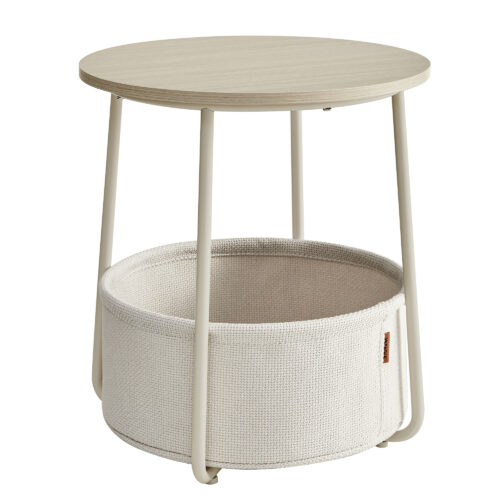
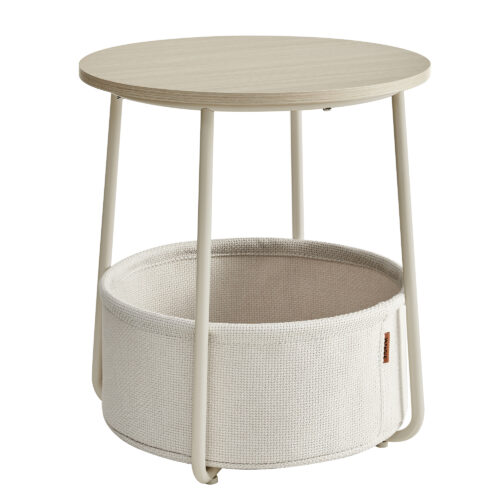
Consider how an end table supplier adapts when a buyer wants a matte finish in two new shades. In a traditional cell, teams swap powders, purge lines, then eyeball tone. In a tech-enabled line, a short color-change protocol plus a camera-based delta-E check confirms tone within seconds—no guesswork. Material variability? Moisture is scanned on incoming panels and routed to the correct press profile. Even small steps help: standardize drill patterns, publish torque targets at each station, and stage kits to reduce part mixing. The comparison is not about robots versus craftspeople. It’s about predictable flow that supports your crew. Add small sensors, share simple dashboards, and empower leads to tweak before scrap grows—because prevention beats rework every single day.
Decision Checklist: What to Measure Before You Scale
Here’s the short list that separates promise from noise—because not every shiny tool pays off. First, variation control: can the solution lock critical parameters (CNC profiles, adhesive set temps, edge-banding feed) and show drift in real time? Second, throughput stability: does takt time hold within ±10% during changeovers, and do you have proof from a two-week run? Third, quality traceability: can you link finish tone, torque spec, and panel lot to each unit ID without slowing pack-out? If a vendor cannot show improvements on these three metrics in a pilot, keep looking. Your future margin lives in fewer surprises, cleaner handoffs, and faster, more confident decisions—funny how that loops back to trust, right? Share the plan with your team, test on one line, and only then scale. For a steady path forward, keep it simple, keep it visible, and keep it owned by the line. Learn fast. Adjust faster. And when in doubt, measure twice, ship once. SONGMICS HOME B2B