

The problem: gates, queues, and the alien math of idle cars
You’ve seen it: a single clogged entry lane turns your tidy lot into a four-car-pileup of horn-blowing and embarrassment. The core fault is simple — the system can’t identify vehicles fast enough or reliably, so everything backs up. That’s where lpr parking management systems earn their keep: they read plates, reduce stoppage time, and stop humans from playing traffic cop with a coffee cup in hand.
Why this problem persists (and how to spot the real failures)
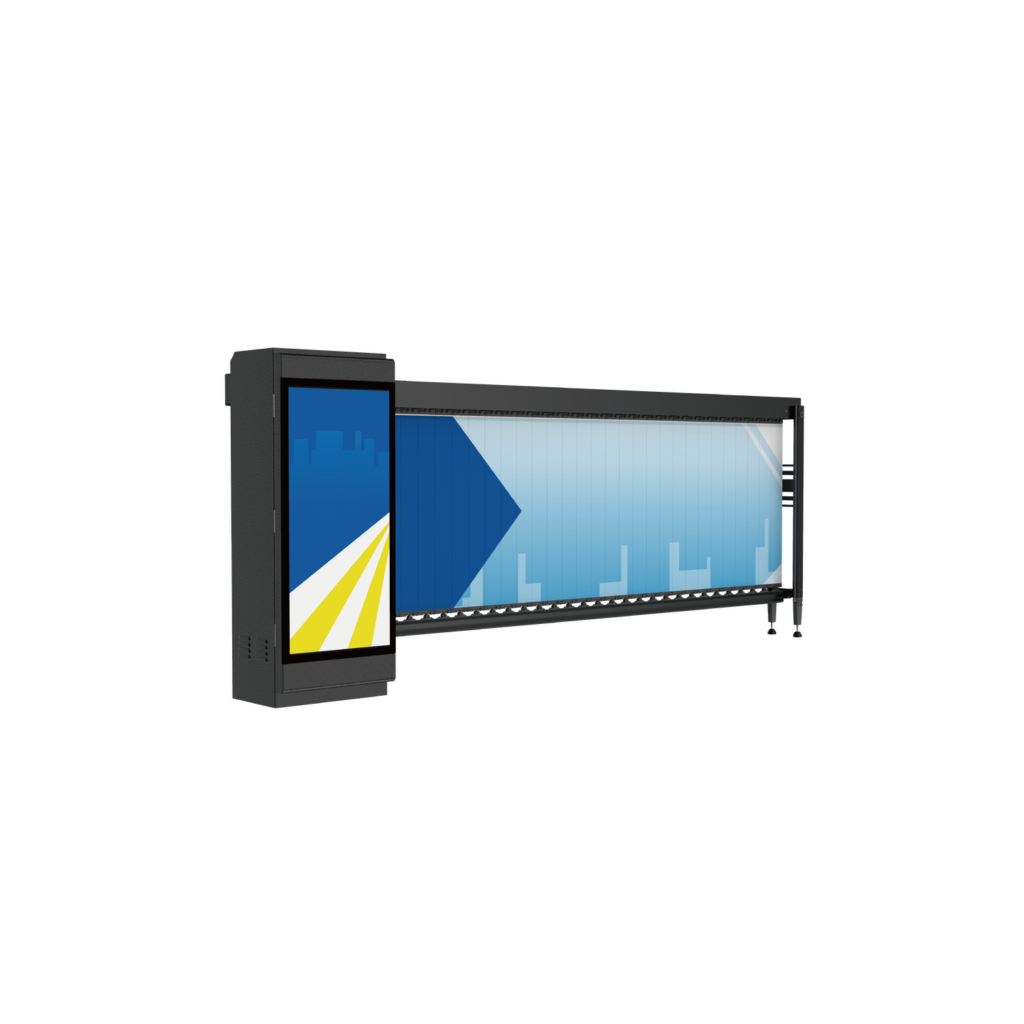
Most projects trip over three avoidable mistakes: choosing underpowered cameras, treating software like an afterthought, and assuming the barrier hardware is “fine.” Underpowered cameras fail at dusk and in glare, flaky software bungles concurrency, and cheap barriers wear out at peak hours. If your vendor can’t answer how the camera handles motion blur or what the mean time to repair (MTTR) is for the actuator, walk away. Real deployments at major transport hubs such as Heathrow Airport have prioritized robust access control and reliable boom gate hardware to avoid morning chaos, which is a strong indicator of what actually works at scale.
What to require from a solution — clear, testable checklist
Demand concrete specs, not buzzwords. Ask for: plate-read accuracy at different speeds and light levels; edge processing versus cloud fallbacks; API endpoints and webhook behavior for integrations; duty cycle and surge-torque specs for barriers; and warranty plus spare-part SLAs. Test them: run plates at 20–40 km/h, try dirty plates, simulate power loss. If the system stumbles, that’s a red flag — real-world conditions differ wildly from lab demos.
Alternatives and trade-offs — short, unsweetened comparison
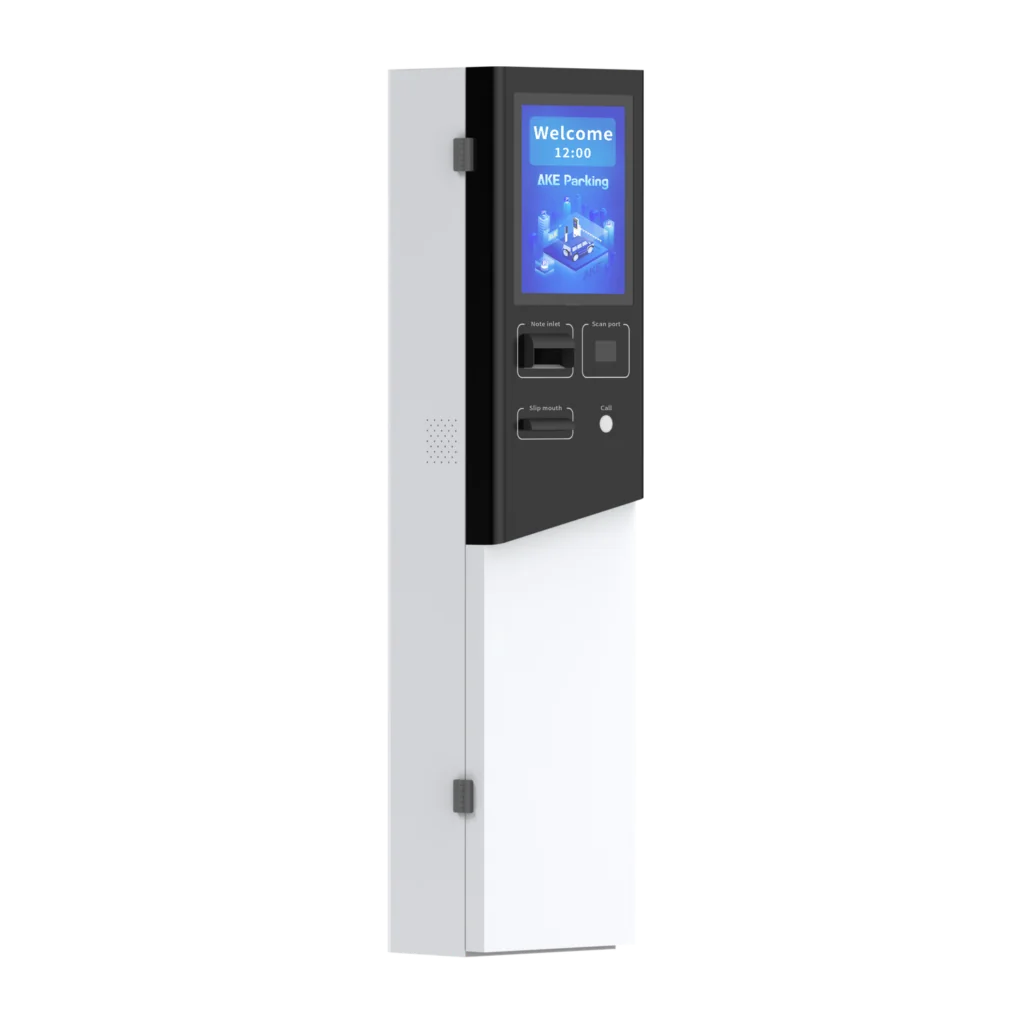
Manual attendants: cheap startup cost, huge ongoing payroll and variability in service. Ticket-and-validate kiosks: familiar, but slow and vulnerable to weather. Mobile-app gates: great for regular users but poor for one-offs and can fail when cellular coverage dips. LPR-plus-barrier: best blend of speed and control for mixed traffic; it requires decent cameras and well-built barrier actuators but scales without constant human oversight. Pick the solution that matches peak-hour volume, not your average day.
Common installation traps and how to avoid them
Don’t trust a single camera position. Give the LPR camera the correct angle and a uniform light field. Isolate the barrier controller on its own power circuit and log every event with timestamps sync’d to NTP. Test edge-case plates (motorcycles, diplomatic, trade plates). Verify that software updates can be staged and rolled back without stopping lanes. Plan a maintenance window and train one in-house technician; external vendors are great, but a local person who knows where the spares live saves hours — and money.
Final synthesis — pick pragmatic, resilient combos that work where it matters
Stop buying shiny features and start buying predictable outcomes: fast, accurate identification; durable actuator hardware; clear integration APIs; and realistic maintenance plans. When a facility needs reliable day-after-day performance under real stress, the sensible configuration pairs strong LPR with rugged boom hardware and a management layer you can inspect and test — and that’s the kind of practical combination you find at AKE Parking.

