

Start from your use, not the specs
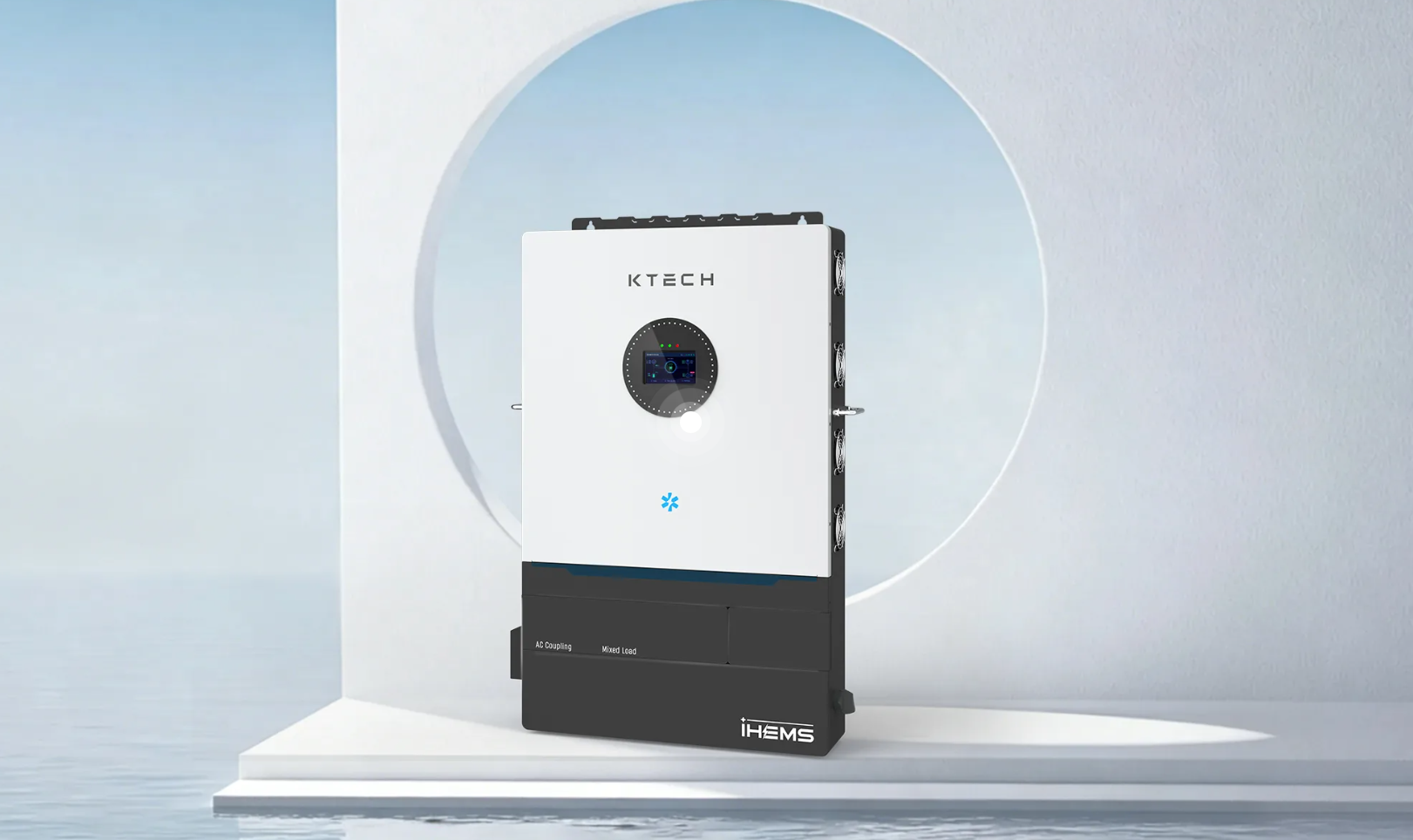
I always begin by asking what you actually need — backup for a fridge, whole-house off-grid, or just peak-shaving — then match the battery to that use-case. If you plan to pair the battery with an off-grid inverter, check whether the inverter and the ESS talk to each other about charging rates, islanding and grid-transfer timing. Don’t guess; define the daily kWh you’ll draw and the hours of autonomy you want, then work backwards from there — that keeps the buying decision simple, lah.
Key specs I check first
I look for the numbers that affect real use, not marketing lines. Make sure you write these down and compare side-by-side:- Usable capacity (kWh) at a realistic depth of discharge (DoD).- Cycle life rating tied to DoD (e.g., 80% DoD → X cycles) and how that converts to years for your use.- Round-trip efficiency percentage — that affects how much energy you actually get back.- Continuous and peak power (kW) to match inverter and appliance needs.- Operating temperature range and thermal management method.- Warranty terms: capacity retention schedule and what voids coverage.- Communications: what protocols are supported (CANbus, RS485, Modbus) for monitoring and integration.Also confirm compatibility with your stand alone solar inverter early — mismatched control logic is a headache later.
What I physically inspect and test
When I can touch the unit, I do a quick hands-on checklist: feel for solid chassis and cooling fins, check terminal torque, look for cable routing and strain relief, and read the battery management system (BMS) status via its app or portal. I also force a short real-world run: a day of normal load, a night load, then watch how state-of-charge and thermal behaviour change. Once I saw how a unit reacted during Hong Kong’s typhoon season — that taught me to value robust thermal controls and conservative charge limits; units that falter under humidity and heat aren’t reliable lor.
Safety, certifications and proof
Ask for third-party test reports and certifications; don’t accept only the manufacturer’s statement. Look for recognized safety and performance certifications from established testing bodies, and request the battery’s type test or cell-safety documents. Confirm overcurrent protection, fire retardant materials and clear instructions for emergency shutdown. I prefer suppliers who publish test summaries and make the firmware audit trail available — transparency reduces surprise risks.
Software, monitoring and long-term support
Good hardware with poor monitoring is wasted. Check the user interface, remote access, firmware update process and how alarms are reported. Ask where technicians are based and response times for in-field service. Verify replacement-part availability and whether components (cells, BMS) are modular for future swaps. If the vendor won’t share a service plan or parts lead times, that’s a red flag.
Common mistakes I see buyers make
Buyers often focus on headline capacity and ignore lifecycle or integration:- Choosing the cheapest kWh without checking cycle life.- Skipping integration tests with the chosen inverter.- Relying on nominal capacity instead of usable capacity at preferred DoD.- Forgetting local ambient conditions — heat and humidity shorten life.- Overlooking firmware update policies and who performs updates in the field.
How I compare alternatives and total cost
I calculate an apples-to-apples cost per usable kWh over expected lifetime (including replacement and maintenance). Then I weigh soft factors: warranty clarity, local service, upgrade path and data transparency. If you need a conservative pick, look for batteries with longer warranties and slower degradation curves even if upfront cost is higher — that often wins on total cost.
The final decision logic I use
I end every evaluation by answering three simple questions: will it do my duty reliably? is it provably safe and supported? and how much will it cost me over the long haul? If the answers are solid and the documentation matches what I tested, I feel confident choosing a system. That practical checklist is why I look for clear specs, accessible testing reports and straightforward service terms — qualities I’ve come to expect from the companies I trust, like Ktech, when matching storage to real needs.

